OnePlus 15R Debuts Amidst Memory Chip Concerns and Future Tech Leaks
हिंदी में सुनें
Listen to this article in Hindi
A look at the OnePlus 15R launch, Xiaomi's global expansion, warnings of a memory chip crisis, and leaks about future Apple devices.
The mobile tech world is buzzing as the year winds down, with new device announcements, concerning industry forecasts, and glimpses into future innovations. This week saw the official unveiling of the OnePlus 15R, global expansion plans for Xiaomi, and a stark warning about an impending memory chip shortage that could reshape the smartphone landscape.
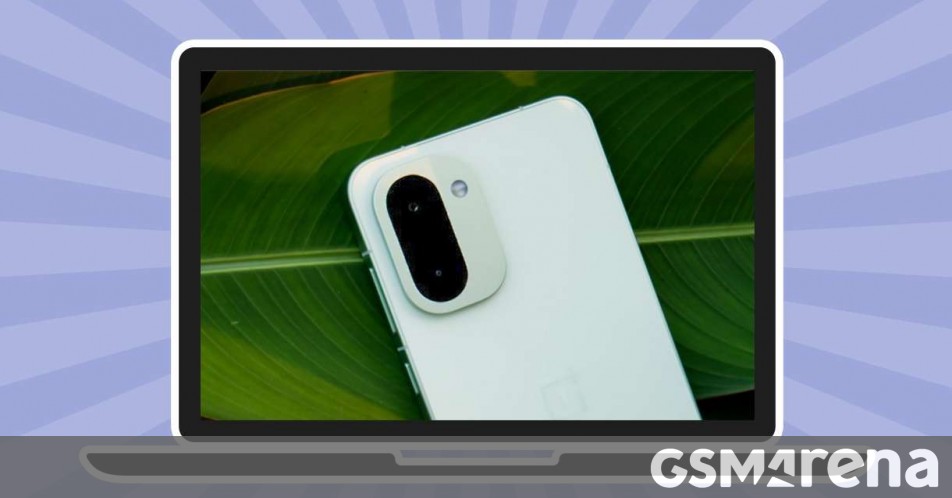
The OnePlus 15R has officially been revealed, boasting a large 7,400mAh battery paired with 80W fast charging. The device features a 6.83-inch AMOLED display with FHD+ resolution and a 165Hz variable refresh rate. This refresh rate dynamically adjusts the screen's smoothness based on the content being displayed, saving battery life while ensuring optimal visual performance when needed, especially during gaming or video playback. Powering the phone is the Qualcomm Snapdragon 8 Gen 5 processor, coupled with 12GB of LPDDR5X Ultra RAM and up to 512GB of UFS 4.1 storage. LPDDR5X RAM represents a faster and more power-efficient memory standard, while UFS 4.1 storage offers quicker data access speeds, contributing to overall system responsiveness. Available in Charcoal Black and Mint Breeze, the OnePlus 15R starts at $699/€699/£649 for the 12/256GB configuration.
That said, the reality is a bit more complicated. the excitement surrounding new devices is tempered by a concerning report about a looming memory chip crisis. This shortage could potentially lead to a resurgence of phones with only 4GB of RAM and the disappearance of flagship models with 16GB of RAM. RAM, or Random Access Memory, is crucial for multitasking and running demanding applications. A reduction in available RAM could significantly impact smartphone performance. The report also suggests that Samsung may increase the prices of its mid-range phones in India as a direct consequence of the shortage. If accurate, this prediction highlights the vulnerability of the tech industry to supply chain disruptions and the potential impact on consumers.
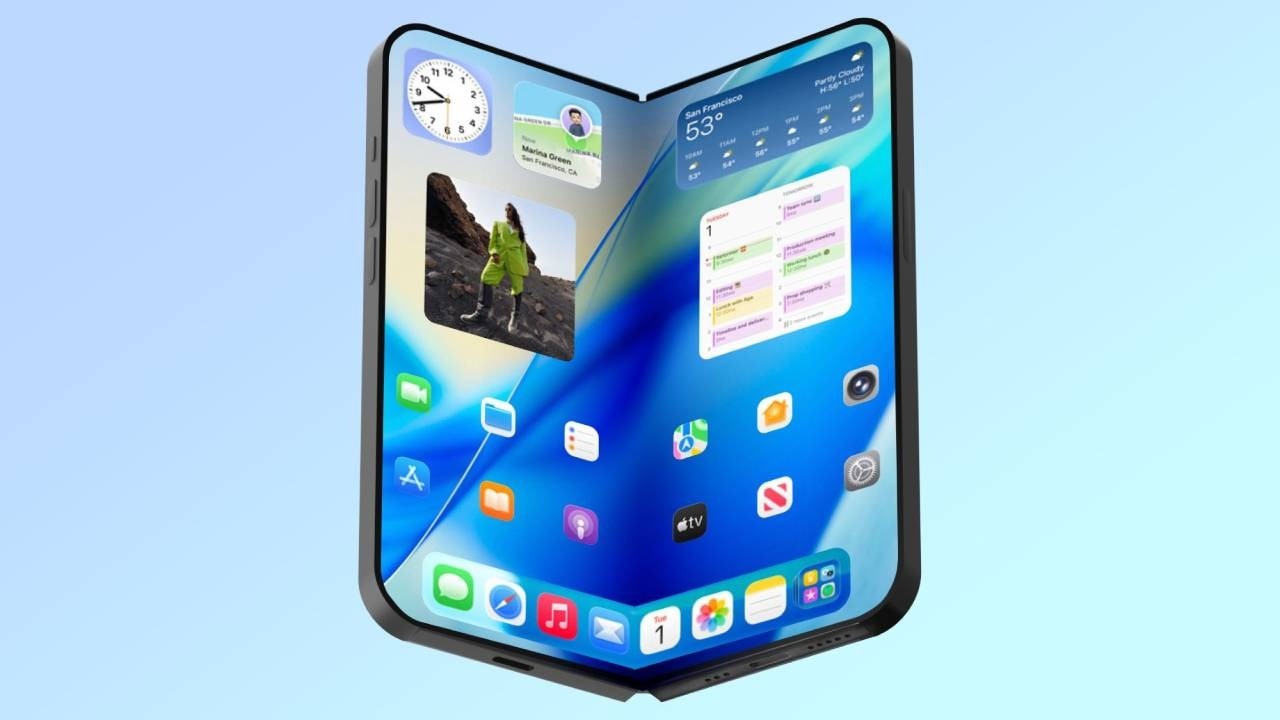
Looking ahead, leaks from an early iOS 26 beta have revealed Apple's roadmap for the coming years. The list includes a variety of products slated for release in 2026, such as the AirTag 2, a Studio Display 2, a new Apple TV, a Tabletop robot, and a HomePod mini 2. The leak also mentions future iPads and iPhones, including the iPad 12 with an A19 SoC (System on a Chip), an M4-powered iPad Air, and the iPhone 17e, iPhone 18 Pro, iPhone 18 Pro Max, and a foldable iPhone. Additionally, the leak hints at new Macs, including an affordable MacBook with an A18 Pro chip and M5/M6 Pro/Max MacBook Pro models.
Xiaomi is also poised to make waves with the anticipated global launch of its 17 Ultra, potentially as early as December 26. Meanwhile, Realme is gearing up to launch its 16 Pro series on January 6, featuring a unique design by Naoto Fukasawa and eco-friendly materials.
The contrasting trends of innovative releases and potential component shortages create a complex picture for the future of mobile technology. Continued innovation is exciting, but the impact of memory constraints on the user experience is concerning.