Navigating the AI Landscape: Implications for India's Tech Sector
हिंदी में सुनें
Listen to this article in Hindi
An analysis of the AI race between the US and China and its implications for India's technology landscape.
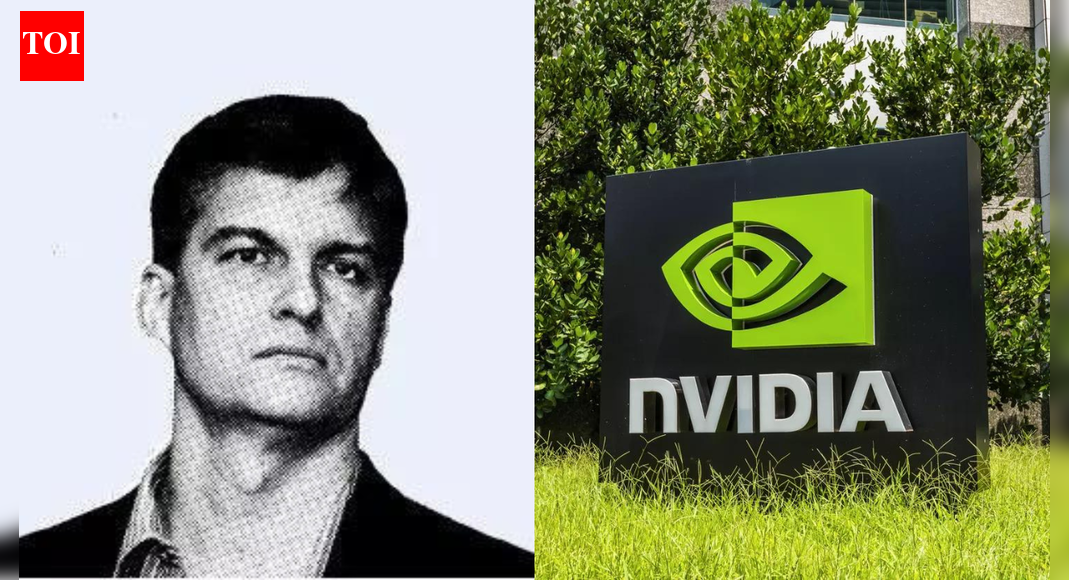
In an increasingly competitive global landscape, the race for supremacy in artificial intelligence (AI) has emerged as a pivotal battleground, with implications that reverberate far beyond the borders of the United States and China. A recent warning from influential investor Michael Burry highlights a critical aspect of this race: the unsustainable energy demands of current AI technologies, particularly those developed by Nvidia. Burry argues that the United States is at risk of losing its edge in AI, primarily due to its reliance on power-hungry chips, while China accelerates its energy production capabilities. For the Indian market, this situation presents both a challenge and an opportunity, necessitating a strategic pivot in how technology investments are approached.
The crux of Burry's argument lies in the distinction between sheer power capacity and the rate of energy production growth. China’s rapid expansion in energy generation not only surpasses that of the U.S. but does so at a pace that indicates a long-term strategic advantage. This shift highlights a fundamental challenge for American firms that rely on Nvidia's chips, which are increasingly seen as inefficient due to their heightened power demands. As the U.S. grapples with regulatory hurdles and decelerating transmission grid development, the implications for global markets are profound. If the U.S. cannot maintain its position as a leader in AI technology, countries like India must reassess their own technological ambitions and the pathways they choose to pursue.
For India, a nation that has positioned itself as a rising tech hub, this scenario underscores the importance of innovation beyond traditional semiconductor technologies. The Indian technology ecosystem, with its burgeoning startup culture and focus on software-driven solutions, may find itself at a crossroads. As Burry suggests, the need for AI-tuned Application-Specific Integrated Circuits (ASICs) presents a potential avenue for India to explore. By fostering a culture of innovation that prioritizes efficiency and sustainability, India can carve out a niche in the global AI landscape that is not reliant on existing power-hungry models.
The interplay between energy production and technological advancement also raises critical questions about infrastructure investment. With a growing emphasis on renewable energy sources, India has the opportunity to build a robust energy framework that supports the needs of its evolving tech sector. Investments in renewable energy not only align with global sustainability goals but also provide a competitive edge in attracting international tech firms that are increasingly conscious of energy consumption in their operations. The Indian government’s initiatives towards enhancing power generation capacity can serve as a foundational pillar for this transition, aiding in the development of a resilient technology sector.
Moreover, the implications of Burry's warning extend to market sentiment and investment flows into Indian tech. As global investors reassess their portfolios in light of these developments, the potential for increased capital inflows into India’s tech sector becomes apparent. A focus on sustainable, energy-efficient technologies could attract interest from venture capitalists and institutional investors alike, eager to back innovative solutions that promise longevity in a rapidly changing landscape. This shift in sentiment could invigorate India’s position in the global tech hierarchy, allowing it to emerge as a leader in sustainable AI development.
That said, the reality is a bit more complicated. the risks associated with this transition cannot be overlooked. As companies navigate the complexities of developing next-generation technologies, the challenge of maintaining competitive pricing while investing in innovation looms large. If Indian firms are unable to match the scale and efficiency of their global counterparts, they risk falling behind in the race to capture market share in AI and related sectors. Furthermore, the geopolitical tensions surrounding technology transfer and trade could complicate India’s access to critical resources and partnerships necessary for growth.
So where does that leave things? the dynamics of the global AI race—shaped significantly by energy production capabilities—present both challenges and opportunities for India's tech sector. As Michael Burry suggests, the current trajectory of reliance on power-intensive technologies may not be sustainable. For Indian firms, the imperative is clear: they must innovate and adapt to a landscape that increasingly values efficiency and sustainability. By aligning their strategies with these emerging realities, India's technology ecosystem can not only survive but thrive in a world where the race for AI supremacy is fiercer than ever. The path ahead requires a concerted effort from both the public and private sectors to build a framework that encourages sustainable growth, positioning India as a formidable player in the global technology arena. The future of AI is not merely about chasing power; it is about reimagining how technology can coexist with the energy demands of tomorrow.
Editor's note: This article was independently written by the Scoopliner Editorial Team using publicly available information.