Gaza's Humanitarian Crisis Exposes Fragility of International Aid System
हिंदी में सुनें
Listen to this article in Hindi
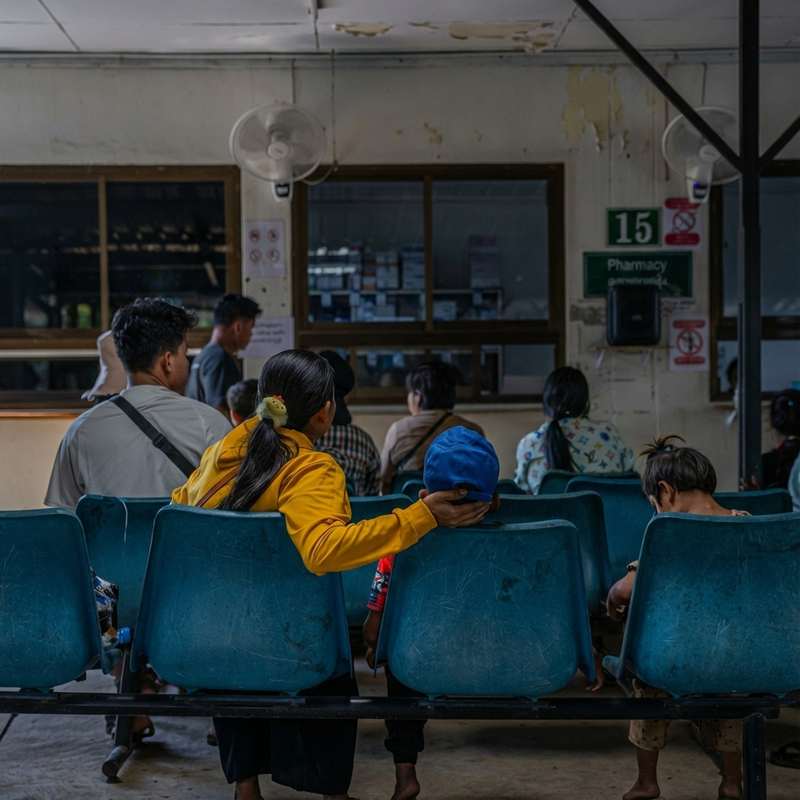
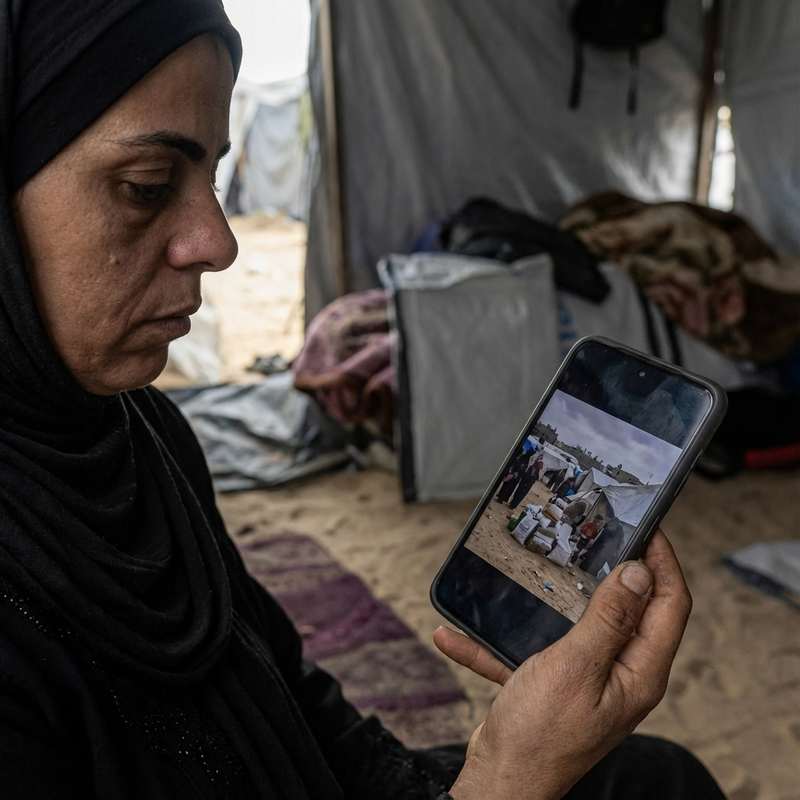
The escalating humanitarian crisis in Gaza, exemplified by severe malnutrition, reveals critical weaknesses in the global aid delivery system and its geopolitical ramifications.
The increasingly dire humanitarian situation in Gaza, marked by widespread malnutrition and food insecurity, underscores the fragility of the international aid system and its vulnerability to geopolitical pressures. While regional conflicts often trigger humanitarian responses, the persistent and escalating crisis in Gaza reveals systemic weaknesses that extend beyond the immediate conflict zone, raising questions about the effectiveness and impartiality of aid distribution in politically charged environments. The global impact is felt in the erosion of trust in international institutions and the potential for destabilizing ripple effects across the Middle East and beyond.
Power dynamics play a central role in exacerbating the crisis. The ongoing conflict between Israel and Hamas, coupled with stringent Israeli restrictions on the entry of goods into Gaza, has severely hampered the delivery of essential supplies, including food and medicine. Accusations and counter-accusations between Israeli officials and Hamas regarding the diversion of aid further complicate the situation. These accusations highlight the politicization of aid, where access to basic necessities becomes a bargaining chip in a larger geopolitical struggle. The policy implications are far-reaching. The international community faces the challenge of balancing humanitarian imperatives with complex security concerns. Traditional aid delivery mechanisms, often reliant on cooperation from local authorities and access through established channels, are rendered ineffective when these channels are disrupted or controlled by parties to the conflict. The Gaza crisis necessitates a re-evaluation of aid strategies, potentially requiring innovative approaches that bypass traditional gatekeepers and prioritize direct delivery to vulnerable populations.
The regional implications of the Gaza crisis extend beyond the immediate humanitarian emergency. The perception of unequal access to aid and the failure of international institutions to adequately address the suffering of the Palestinian population can fuel resentment and radicalization. This, in turn, can exacerbate existing tensions and contribute to regional instability. Neighboring countries, already grappling with their own economic and political challenges, may face increased pressure to provide assistance, potentially straining their resources and further destabilizing the region. The situation also impacts international relations, creating divisions between nations that support different sides of the conflict. This divergence in diplomatic positions makes it more difficult to forge a unified international response and address the underlying causes of the crisis.
Globally, the Gaza situation serves as a stark reminder of the limitations of the current international humanitarian framework. The principles of neutrality and impartiality, which are central to humanitarian action, are often challenged in complex conflict zones where aid becomes entangled in political agendas. The crisis highlights the need for greater accountability and transparency in aid distribution, as well as more robust mechanisms for monitoring and preventing the diversion of resources. Furthermore, it underscores the importance of addressing the root causes of conflict, including poverty, inequality, and political marginalization, to prevent future humanitarian crises. The situation also calls into question the effectiveness of international legal frameworks in protecting civilians during armed conflicts. The failure to ensure access to basic necessities, such as food and water, despite international humanitarian law prohibiting the starvation of civilians as a method of warfare, raises serious concerns about the enforcement of these laws.
That said, the reality is a bit more complicated. several uncertainties and constraints remain. The ability of international organizations to operate effectively in Gaza is heavily dependent on the cooperation of all parties to the conflict. Without a cessation of hostilities and the lifting of restrictions on the entry of goods, it will be difficult to deliver aid in a timely and effective manner. Furthermore, the long-term sustainability of any humanitarian intervention depends on addressing the underlying political issues that drive the conflict. Without a lasting resolution to the Israeli-Palestinian conflict, the cycle of violence and humanitarian crisis is likely to continue. The complexities of navigating the political landscape, coupled with the logistical challenges of delivering aid in a war zone, present significant obstacles to resolving the crisis.
The humanitarian crisis in Gaza is a multifaceted challenge with far-reaching geopolitical implications. It exposes the weaknesses of the international aid system, fuels regional instability, and undermines trust in international institutions. Addressing the crisis requires a comprehensive approach that combines immediate humanitarian assistance with long-term political solutions. The international community must work together to ensure that aid reaches those who need it most, while also addressing the underlying causes of the conflict and promoting a just and lasting peace. The situation in Gaza is a stark reminder of the interconnectedness of global issues and the need for a more effective and equitable international system. The long-term consequences of inaction could be devastating, not only for the people of Gaza but also for the stability of the wider region and the credibility of the international community.
[Internal Links: World affairs background, India’s global position, Topic basics for readers]
Editor’s note: This article was independently written by the Scoopliner Editorial Team using publicly available information.