Tragedy at the Slopes: Safety Concerns in Japan's Ski Industry
हिंदी में सुनें
Listen to this article in Hindi
A recent tragic incident in Japan raises critical questions about safety protocols in ski resorts amid rising tourism.
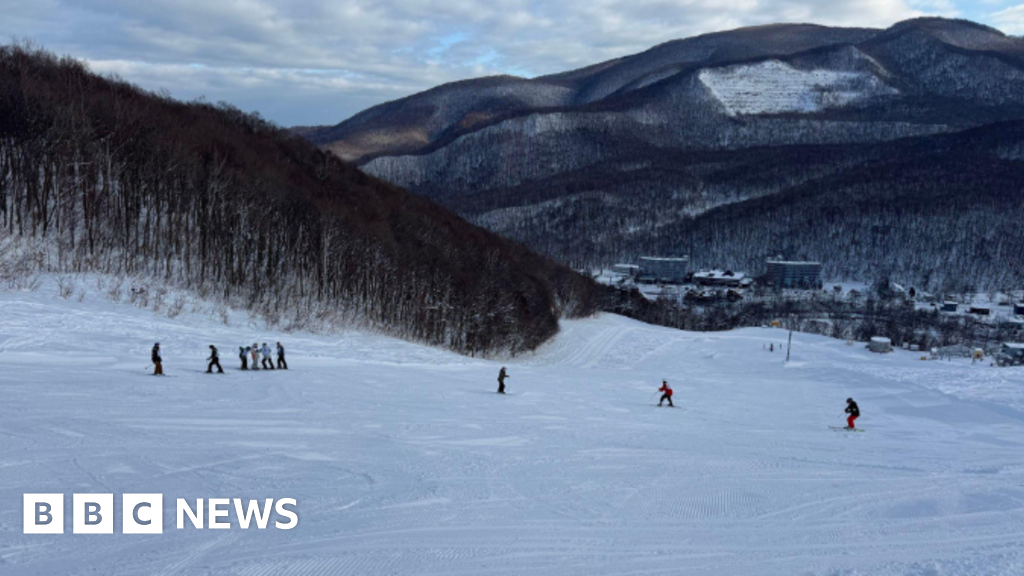
The recent tragic death of a five-year-old boy at a ski resort in Hokkaido has highlighted significant safety concerns in Japan's skiing industry, a sector that plays an integral role in the country’s winter tourism landscape. With millions flocking to Japan's ski resorts each year, particularly in Hokkaido, the events surrounding this incident invite a closer examination of the safety measures in place within this thriving tourism sector.
Japan is recognized as a premier destination for winter sports enthusiasts, with Hokkaido often referred to as the ski capital of the nation. The region's appeal, characterized by its powder snow and scenic landscapes, draws both domestic and international visitors. That said, the reality is a bit more complicated. the recent incident has raised alarms about the adequacy of safety protocols and equipment utilized at ski resorts, particularly for facilities designed for young and inexperienced skiers.
The specifics of the incident—where the child’s arm was caught in a malfunctioning travelator—underscore the critical nature of machinery safety in high-traffic areas. While the travelator was equipped with a safety mechanism that reportedly functioned earlier in the day, its failure during this tragic event poses questions regarding the maintenance and operational checks performed by the resort. Such lapses, if confirmed, could not only result in legal ramifications but also affect public trust in the safety of ski facilities.
Japan's ski resorts have largely been perceived as safe, yet this incident illuminates the potential risks associated with ski infrastructure. The lack of handrails on the travelator and the reported experiences of other visitors who found the equipment daunting point to a broader need for reevaluation of safety features in such public facilities. The tourism industry, particularly in regions reliant on seasonal sports, must assess whether current safety standards are sufficient to protect visitors and prevent future tragedies.
In the context of global ski tourism, where safety incidents can lead to immediate reputational damage and declining visitor numbers, Japan's response will be scrutinized not only domestically but also on an international scale. The country has positioned itself as a winter sports destination competing with established markets like those in North America and Europe. Incidents that compromise safety could dissuade international tourists who are increasingly prioritizing safety and risk management in their travel decisions.
Furthermore, as Japan continues to foster its tourism sector post-pandemic, ensuring visitor safety becomes paramount. The government and tourism bodies may need to implement stricter regulations and enhance safety standards across all ski resorts, particularly given the high volume of family visitors. This incident serves as a reminder that even in well-established tourist destinations, the potential for accidents remains, necessitating ongoing assessments of safety practices.
The evolving landscape of global tourism and the increasing competitiveness among destinations require that Japan not only address immediate safety concerns but also proactively enhance its infrastructure to meet international safety standards. As investigations unfold, the outcome could lead to a reevaluation of not just local practices but also set benchmarks for ski resorts worldwide.
In summary, the tragic incident in Hokkaido raises critical questions about safety in Japan's ski industry, an essential component of the country’s winter tourism appeal. As the investigation into this incident progresses, the focus will likely turn to how Japan can improve safety measures, thereby reinforcing its commitment to prioritizing visitor welfare in an increasingly competitive global tourism market.
Editor's note: This article was independently written by the Scoopliner Editorial Team using publicly available information.


