Equipment Shortfall Exposes Deeper Issues in Bangladesh Premier League Management
हिंदी में सुनें
Listen to this article in Hindi
A training session walkout by Noakhali Express's coach highlights systemic issues within the Bangladesh Premier League, raising questions about professionalism and governance.
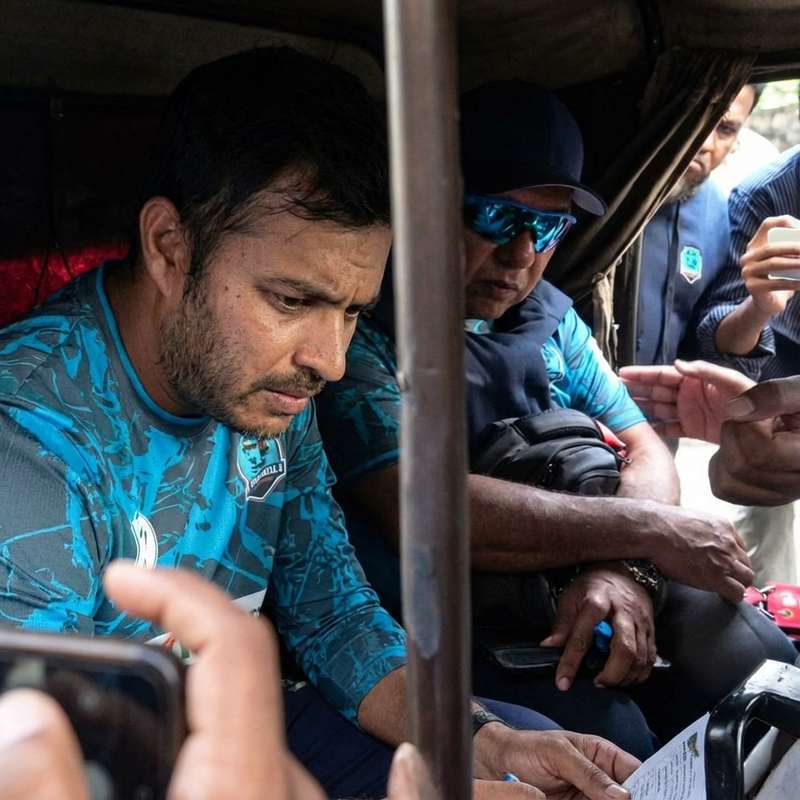
The Bangladesh Premier League (BPL) is facing scrutiny even before its official start, with a dramatic incident involving Noakhali Express head coach Khaled Mahmud. Mahmud, a former Bangladesh captain, walked out of a training session at the Sylhet International Cricket Stadium on Thursday, citing unacceptable conditions and a lack of essential equipment, specifically a shortage of cricket balls.
The incident occurred as the team prepared for its opening match against Chattogram Royals, the second match of the tournament. Mahmud's frustration stemmed from the inadequate resources provided for a professional training environment. He was accompanied by pace bowling coach Talha, who also voiced his discontent and unwillingness to continue under the current circumstances.
"I will not do the BPL under any circumstances," Mahmud reportedly stated, highlighting the severity of the situation. The core issue appears to be a significant lack of cricket balls needed for effective practice. This deficiency, when brought to the attention of the Noakhali Express owner, allegedly resulted in a heated exchange and disrespectful behavior towards Mahmud, prompting his walkout.
While Mahmud and Talha eventually returned to the session after intervention from a close friend, the incident casts a shadow over the team's preparation and exposes potential underlying problems with the league's management. The Bangladesh Cricket Board's (BCB) earlier takeover of Chattogram Royals' ownership, cited as a move to avoid further embarrassment, further underscores the challenges facing the BPL.
BPL chairman Iftekhar Rahman acknowledged the issue, stating that Noakhali Express could have requested assistance from the BPL governing council for equipment. He characterized the team's handling of the situation as “unprofessional.” This suggests a breakdown in communication and a lack of proactive problem-solving within the team's management structure.
The incident's impact extends beyond a single training session. It raises serious questions about the BPL's organizational standards and the support provided to participating teams. Inadequate equipment can directly affect player preparation, potentially leading to diminished performance on the field. Furthermore, the reported unprofessional conduct by the team owner creates a disruptive environment, hindering team cohesion and morale. The ability of Noakhali Express to compete effectively throughout the season will undoubtedly be affected by these early challenges.
Ultimately, this situation underscores the importance of proper resource allocation and professional conduct in ensuring a fair and competitive league. The long-term success of the BPL depends on addressing these issues and establishing a robust framework that supports teams and players alike. Without adequate infrastructure and a professional environment, the league risks compromising its credibility and hindering the development of cricket in Bangladesh.
Editor’s note: This article was independently written by the Scoopliner Editorial Team using publicly available information.