Child's Flu Death Highlights Urgent Public Health Concerns
हिंदी में सुनें
Listen to this article in Hindi
A child's flu death in Kentucky underscores the importance of influenza awareness and vaccination in public health.
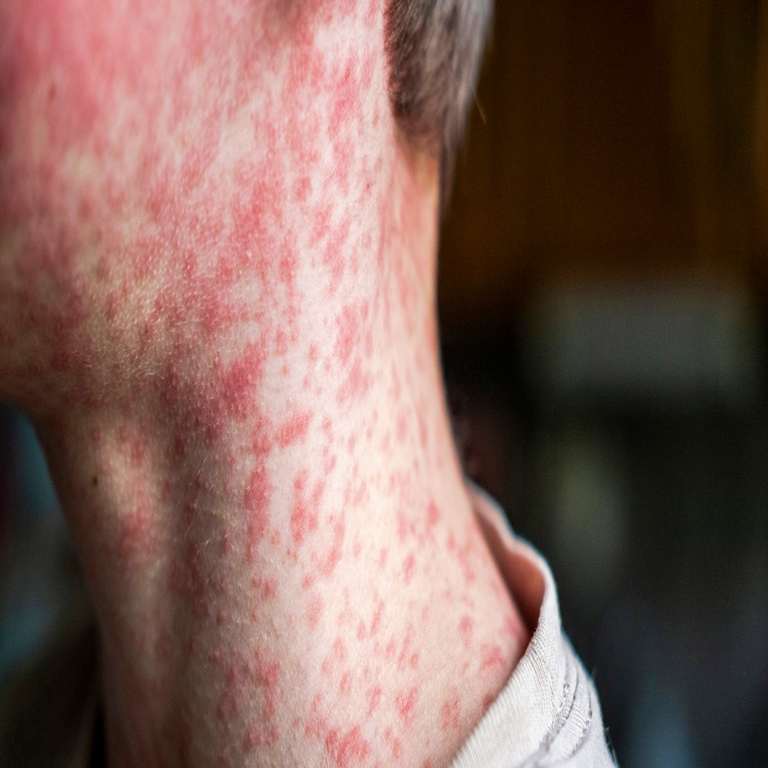
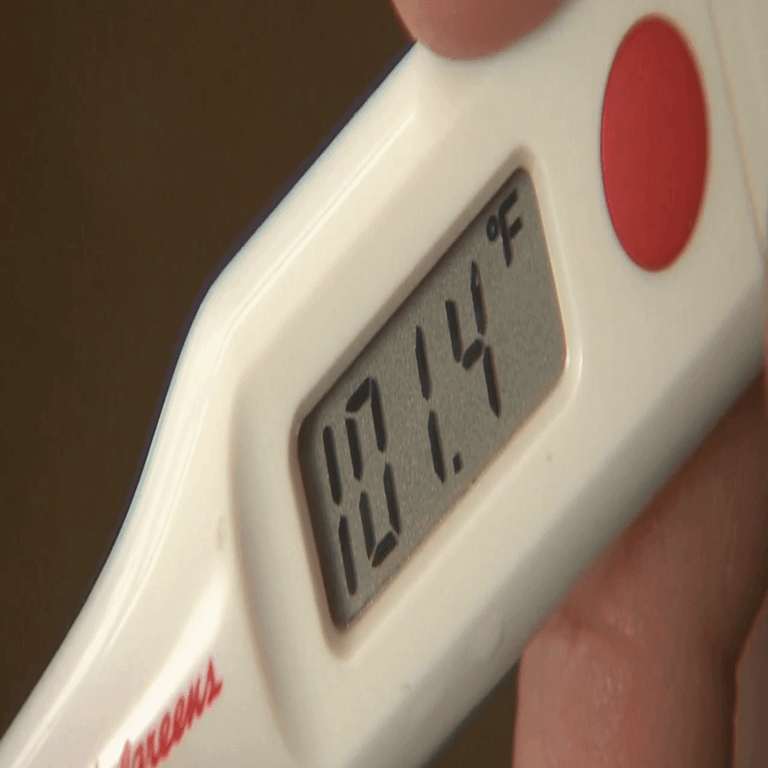
The recent death of a child from the flu in Kenton County, Kentucky, marks a tragic milestone as the first reported juvenile flu death in the state this season. This event serves as a stark reminder that influenza can pose serious risks, particularly to young children and those with underlying health conditions. The child's family reported that they did not receive a flu vaccine, which raises critical questions about vaccination rates, public awareness, and health education in the region.
Flu is often perceived as a mild illness, but the Centers for Disease Control and Prevention (CDC) estimates that as of mid-December, there have already been 4.6 million reported flu illnesses nationwide, with approximately 49,000 hospitalizations and 1,900 deaths. These numbers highlight the significant burden of influenza on the healthcare system and the potential for severe outcomes, particularly among vulnerable populations.
The CDC’s data reflect a broader trend of increasing flu activity across the United States, including Kentucky. This trend necessitates urgent attention from public health officials and policymakers, who must work to ensure that families are adequately informed about the risks associated with the flu and the benefits of vaccination.
Dr. Steven Stack, secretary of the Cabinet for Health and Family Services, expressed his condolences to the affected family and emphasized the seriousness of influenza as a health threat. The emotional weight of such a loss underscores the need for comprehensive public health strategies aimed at reducing flu-related deaths, especially in children.
In light of the flu's impact, it is crucial to consider the implications for healthcare systems. The strain on hospitals due to flu-related admissions can divert resources from other critical care areas, potentially leading to broader public health challenges. Furthermore, the current flu season highlights the importance of proactive public health measures, including vaccination campaigns and community awareness initiatives.
Despite the known efficacy of the flu vaccine, barriers to access and vaccination reluctance persist. Public health campaigns must address misinformation and provide clear, evidence-based information to encourage vaccination uptake among families. The recent flu death serves as a catalyst for discussions on improving vaccination rates, particularly in high-risk populations.
Additionally, it is important to acknowledge the limitations in our understanding of the flu virus and its epidemiology. Variability in flu strains, vaccine effectiveness, and population immunity can complicate efforts to predict and manage flu seasons. Ongoing research and data collection are essential to enhance our understanding and improve responses to future influenza outbreaks.
So where does that leave things? the tragic loss of a child to the flu in Kentucky not only serves as a wake-up call about the potential severity of influenza but also emphasizes the need for continued public health education and proactive measures. As we reflect on this loss, we must also consider how to strengthen our health systems and communities to better protect against such preventable tragedies in the future.
Editor's note: This article was independently written by the Scoopliner Editorial Team using publicly available information.