New Jersey's Flu Surge: Implications for Public Health and Healthcare Systems
हिंदी में सुनें
Listen to this article in Hindi
गति:
A deep dive into New Jersey's flu surge, exploring its public health significance and implications for healthcare systems.
As New Jersey grapples with one of the most severe flu seasons in recent years, understanding the implications of this public health challenge becomes crucial for residents and policymakers alike. With flu activity reaching very high levels, it is essential to analyze the underlying factors contributing to this surge and what it means for the state's healthcare infrastructure and population health.
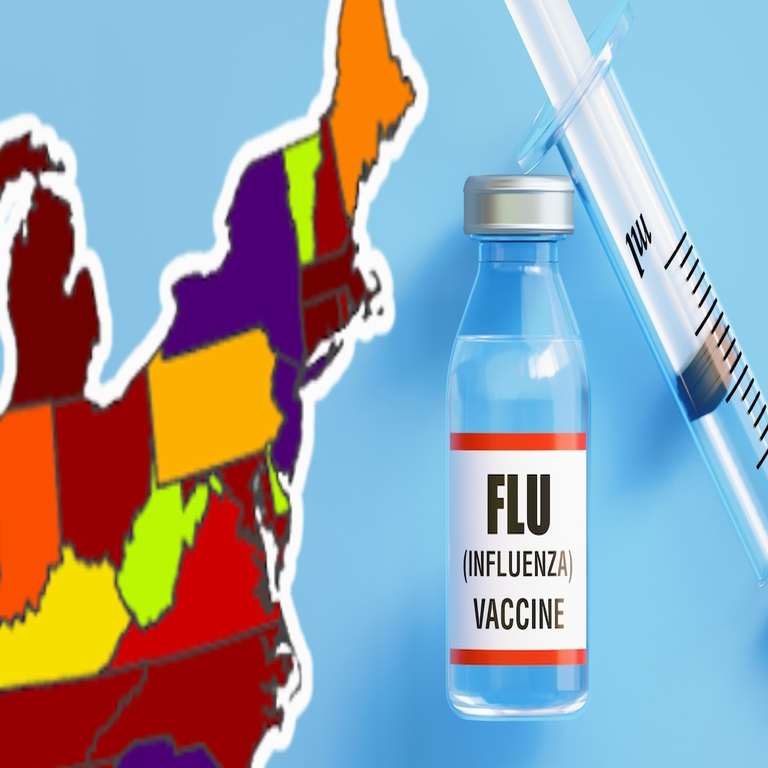
1. Context of the Current Flu Season The Centers for Disease Control and Prevention (CDC) reported that New Jersey has experienced an early and rapid increase in flu cases, with over 11,000 reported in just one week. This early surge contrasts sharply with previous seasons, where peaks typically occurred later in the winter months. New Jersey's situation is reflective of a broader national trend, as hospitalizations have nearly doubled nationwide within a single week.
2. The Dominance of Influenza A The current flu strain dominating the outbreak is Influenza A, which has adapted this season to evade some immune defenses. This strain is known for causing more severe illness, which aligns with the increased hospitalizations being reported. The emergence of this particular strain highlights the ongoing evolution of flu viruses and the importance of continuous surveillance and research in understanding their impact on public health.
3. Public Health Significance Understanding the flu's impact on public health is vital. High flu activity can lead to increased hospitalizations, a strain on healthcare resources, and higher mortality rates, particularly among vulnerable populations such as the elderly and individuals with chronic health conditions. The current flu season's severity underscores the need for ongoing public health monitoring and interventions to mitigate its effects.
4. Implications for Healthcare Systems The surge in flu cases places significant pressure on healthcare systems, which are already navigating the complexities of post-pandemic recovery. Hospitals may face overcrowding, resource shortages, and challenges in managing both flu and other respiratory illnesses simultaneously. Policymakers must prepare for these potential strains on the system to ensure adequate care for all patients.
5. Importance of Vaccination Vaccination remains a critical element in addressing flu outbreaks, particularly for high-risk groups. The CDC recommends that everyone six months and older receive a flu shot. While the current data indicates that the existing vaccines remain effective against the circulating strains, public awareness and accessibility to vaccines are paramount in bolstering community health resilience.
6. Limitations and Unknowns Despite the available data, there are limitations in understanding the full scope of the flu's impact this season. The evolving nature of the virus means that its behavior can change rapidly, and factors such as public compliance with vaccination recommendations and the emergence of new strains remain uncertain. Continuous research and data collection are essential to inform public health strategies effectively.
7. The Role of Public Awareness Heightened public awareness about flu activity and its implications can foster community engagement in health initiatives. Information dissemination regarding flu symptoms, the importance of vaccination, and healthcare resources can help mitigate the impact of the flu season. Public health organizations must prioritize clear communication to empower individuals and communities to take informed actions.
Conclusion New Jersey's current flu surge serves as a reminder of the ongoing challenges posed by infectious diseases and the need for robust public health strategies. As the situation evolves, understanding the implications for healthcare systems and community health will be critical for navigating this flu season and preparing for future health threats.
Editor's note: This article was independently written by the Scoopliner Editorial Team using publicly available information.
Based on information from :
NJ.com
•
01 Jan 2026, 04:00 AM IST