Record Flu Cases in New York: A Public Health Crisis Unfolding
हिंदी में सुनें
Listen to this article in Hindi
New York's flu season records unprecedented cases, highlighting significant public health challenges and implications for healthcare systems.
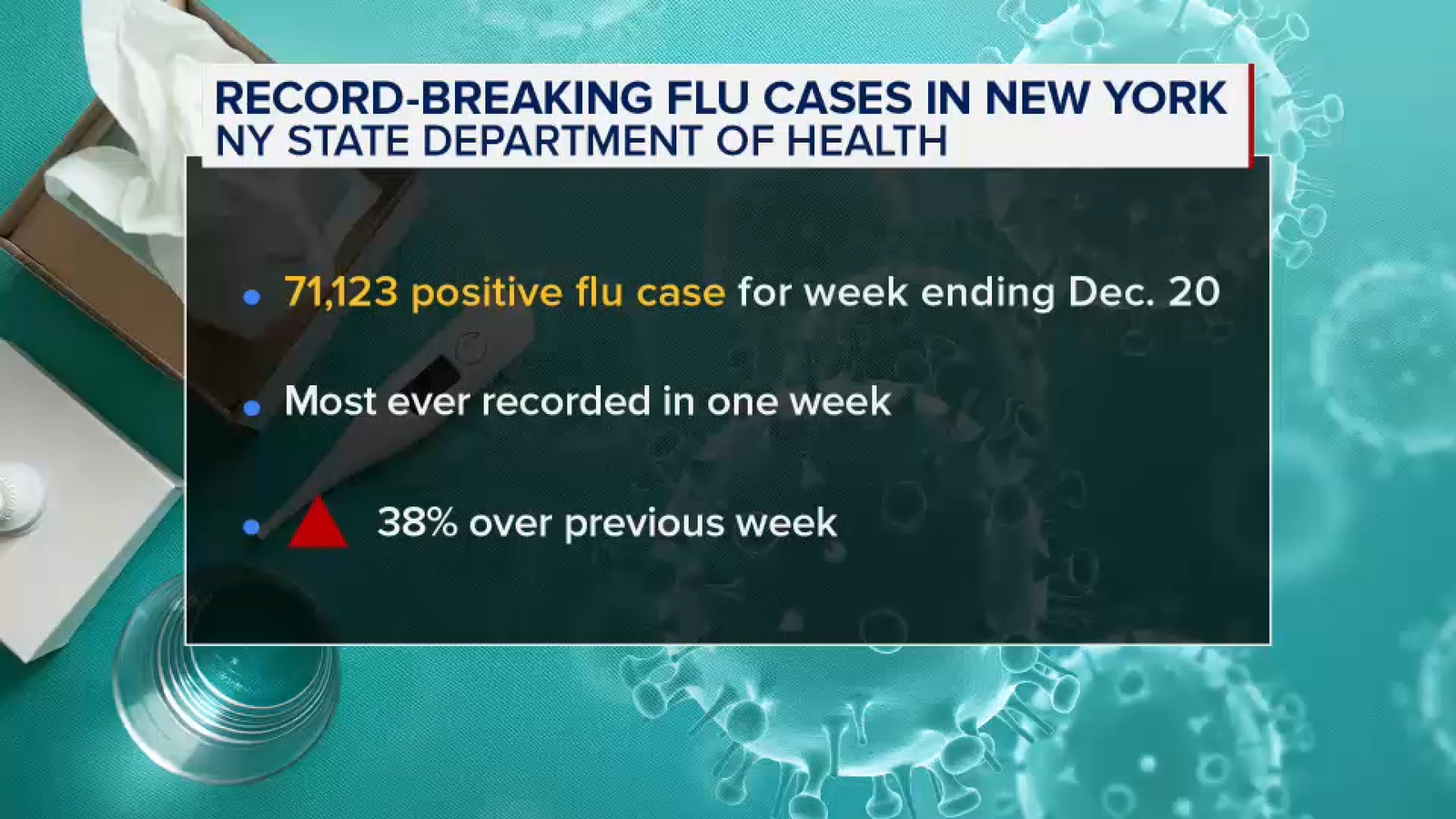
The current flu season in New York has reached unprecedented levels, with a staggering 71,123 cases reported in the week ending December 20. This figure marks the highest recorded number of flu cases in a single week since the disease became reportable in 2004. The surge in cases, particularly notable in Long Island where over 15,000 lab-confirmed cases were reported, raises critical public health concerns that warrant a deeper analysis.
In a broader context, the 189,312 positive flu cases reported statewide since October—compared to lower numbers in previous years—indicates a significant uptick in influenza activity. Experts attribute this rise to a combination of low vaccination rates and the emergence of a variant that was not accounted for in the current vaccine formulation. The implications of this trend extend beyond the immediate health impacts, posing challenges for healthcare systems already strained by respiratory infections.
Hospitalization rates have surged dramatically, with Suffolk County witnessing a more than 100% increase in hospitalizations in just two weeks. This spike, from 8.79 to 20.38 per 100,000 people in Suffolk and from 15.4 to 23.2 in Nassau, highlights the potential for healthcare systems to become overwhelmed. Health officials are closely monitoring bed capacity to understand the full impact of this flu season on hospital resources.
The rise in flu cases is compounded by the fact that lab-confirmed tests often represent only a fraction of actual cases, as many individuals may not seek medical attention or testing. This limitation underscores the need for robust surveillance systems and accurate reporting to comprehend the true scope of the outbreak.
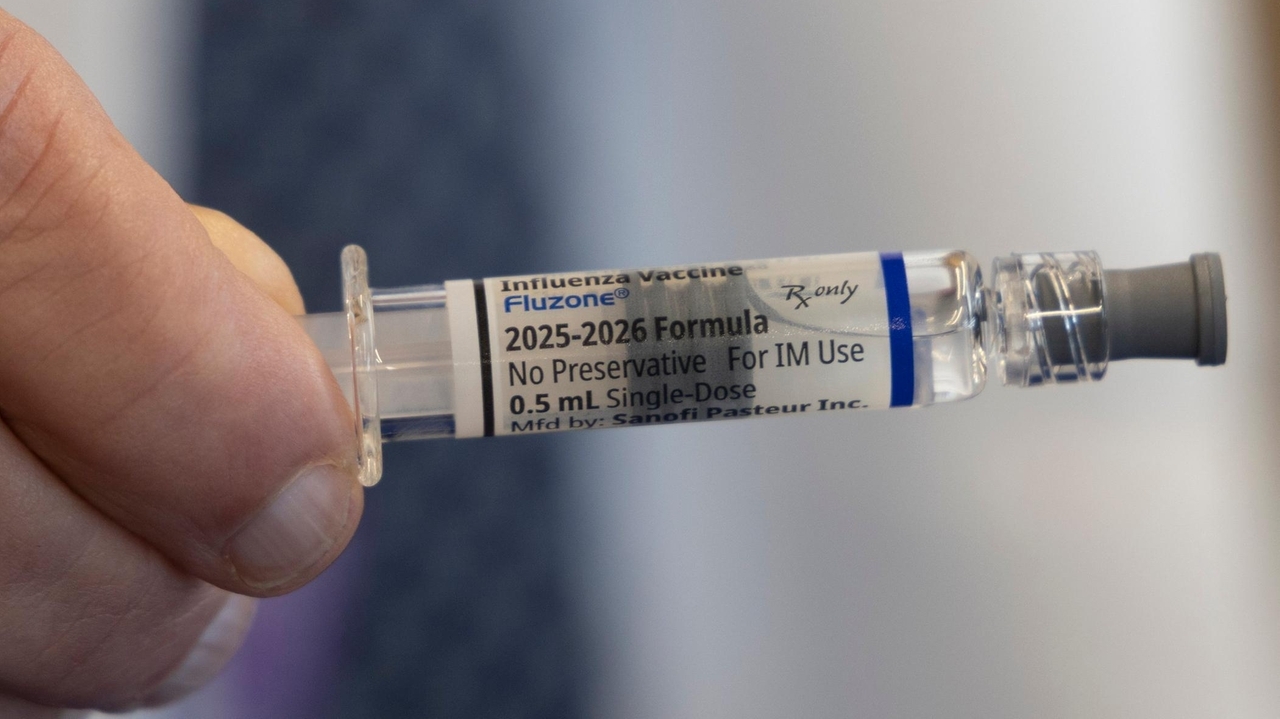
State health officials have emphasized the importance of vaccination, particularly for vulnerable populations, including the elderly and those with compromised immune systems. That said, the reality is a bit more complicated. the current vaccine’s efficacy against the prevalent variant raises questions about public trust and the effectiveness of vaccination campaigns.
As the flu season unfolds, the ongoing monitoring of hospitalization trends and public health responses becomes crucial. The need for effective communication strategies to inform the public about risks and the importance of vaccination cannot be overstated. Awareness of the flu's potential impact on community health is essential, as it influences public behavior and healthcare resource allocation.
Policy implications are significant as well. The record-breaking flu cases may necessitate a reevaluation of public health strategies, including vaccination outreach and healthcare preparedness. Furthermore, understanding the dynamics of flu transmission and the effectiveness of current vaccines can inform future vaccine development efforts.
The current situation presents both challenges and opportunities for public health. While the alarming rise in flu cases necessitates immediate attention, it also serves as a reminder of the importance of vigilance in disease prevention and the need for adaptive healthcare responses. As we navigate this flu season, understanding the interplay between influenza trends, healthcare capacity, and public awareness will be vital in managing current and future outbreaks.
Editor’s note: This article was independently written by the Scoopliner Editorial Team using publicly available information.