Unprecedented Surge in Flu Cases: Implications for Public Health
हिंदी में सुनें
Listen to this article in Hindi
New York sees record flu cases, highlighting urgent public health challenges and the need for continued vigilance.
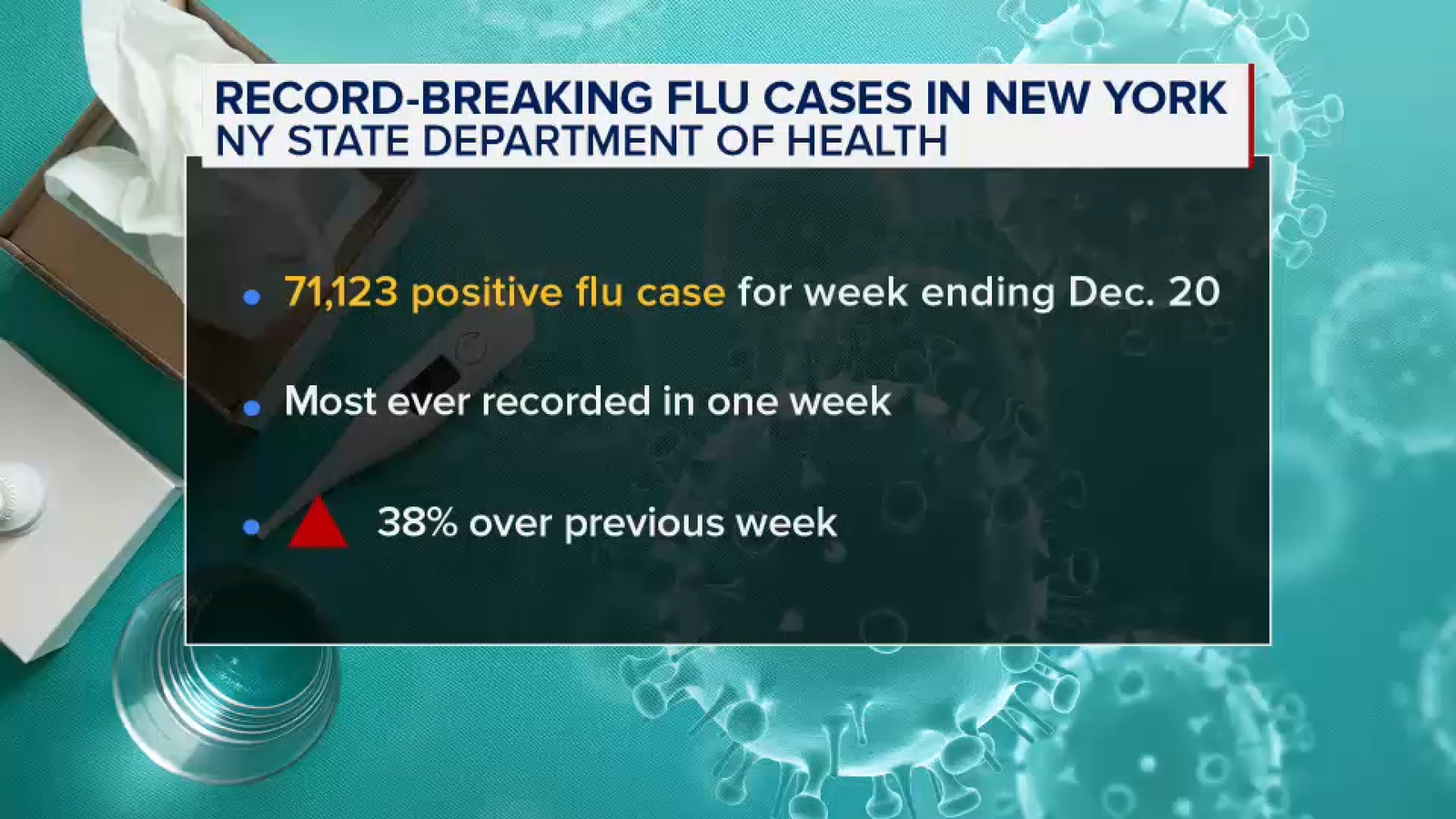
The recent announcement from the New York Department of Health regarding a staggering 71,123 positive flu cases reported in a single week marks a significant milestone in public health surveillance. This figure, representing the highest recorded flu cases in a week since tracking began in 2004, underscores the critical need for heightened awareness and strategic responses within healthcare systems. As we delve into the implications of this outbreak, it is essential to understand the broader public health context, the potential strain on healthcare resources, and the importance of community-level initiatives.
Understanding the Scale of the Outbreak
Flu season traditionally peaks in January, and the current trajectory of infection rates, with a 38% increase over the previous week, suggests that this year's flu season could challenge public health systems more than ever before. The implications of such high case numbers extend beyond individual health, potentially overwhelming healthcare facilities and complicating care for other patients. As such, monitoring flu trends and their impact on healthcare systems is vital for effective pandemic preparedness and response.
The Burden on Healthcare Systems
A sudden influx of flu cases can put immense pressure on hospitals and clinics, particularly during a season when resources may already be stretched. Healthcare professionals may find themselves balancing care for flu patients with other urgent medical needs, leading to potential delays in treatment. This situation reinforces the necessity for robust healthcare policies that ensure adequate staffing and resource allocation during peak flu periods.
Public Health Messaging and Community Response
Given the rapid rise in flu cases, public health messaging becomes paramount. Clear communication about the seriousness of the flu, its symptoms, and the importance of seeking medical care when necessary can empower communities to take proactive measures. That said, the reality is a bit more complicated. there is a delicate balance to strike: while it is crucial to inform the public, it is equally important to avoid inciting panic. Public health agencies must provide factual, evidence-based information that fosters understanding and encourages responsible behavior.
The Role of Vaccination
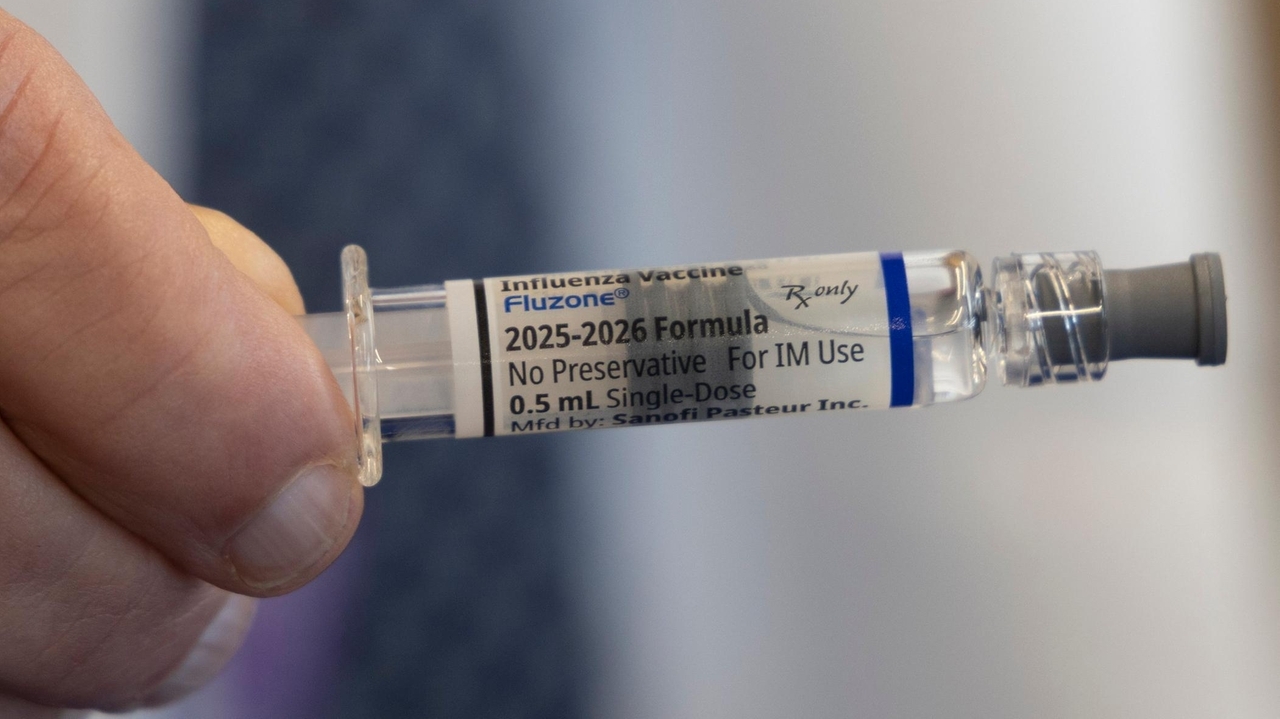
Vaccination remains a critical component of flu prevention, yet uptake rates can vary significantly across different demographics and regions. Understanding the barriers to vaccination, whether they be accessibility, misinformation, or cultural attitudes, is essential for improving public health outcomes. Enhanced outreach efforts targeting under-vaccinated populations could mitigate the impact of surging flu cases.
Limitations in Data and Uncertainties
Despite the clear trends observed, there remains a level of uncertainty surrounding the flu's behavior this season. Factors such as viral mutations, co-circulation of other respiratory viruses, and public compliance with health recommendations can alter the trajectory of flu spread. Continuous data collection and analysis will be critical in adapting strategies to address these evolving challenges.
The Importance of Preventive Actions
While the announcement of record flu cases is alarming, it also presents an opportunity for public health officials to reinforce the importance of preventive actions. Emphasizing basic hygiene practices can aid in curtailing the spread of influenza and other respiratory viruses. That said, the reality is a bit more complicated. these strategies rely on public compliance and education, which requires sustained efforts from health departments and community organizations.
Implications for Future Public Health Policies
This unprecedented flu season highlights the need for a reevaluation of public health policies, particularly in relation to infectious disease management. Policymakers must consider how to strengthen the healthcare system's response capabilities, improve vaccination outreach, and enhance public health communication strategies. Lessons learned from this season could inform future preparedness plans and bolster resilience against similar public health threats.
Conclusion: A Call for Vigilance and Preparedness
In summary, the record-breaking flu cases in New York serve as a stark reminder of the ongoing challenges faced by public health systems. As the flu season progresses, it is essential to maintain vigilance, adapt policies as needed, and foster a collaborative approach to health that prioritizes community engagement and support. Only through a concerted effort can we hope to mitigate the impact of this and future influenza seasons on public health.
Editor’s note: This article was independently written by the Scoopliner Editorial Team using publicly available information.