The Revitalization of the Indian SUV Market: Analyzing Kia's New Seltos Entry
हिंदी में सुनें
Listen to this article in Hindi
Kia's new Seltos redefines the Indian SUV market, impacting consumer sentiment and market dynamics.
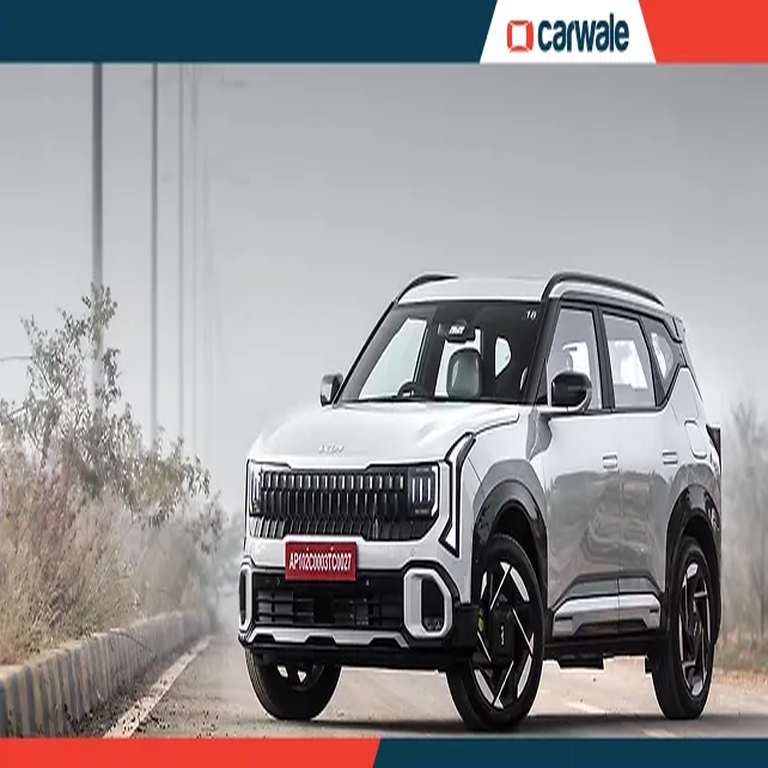
The launch of the new Kia Seltos in India represents a significant moment for the SUV segment, which has seen an unprecedented surge in popularity over the last decade. Priced from Rs. 10.99 lakh, the updated model comes packed with advanced technology, comfort, and safety features, marking Kia's commitment to enhancing its footprint in the Indian automotive landscape. This revitalization is not merely a company-specific event but a reflection of broader trends influencing consumer behavior, market dynamics, and economic sentiment in India.
Kia's strategic positioning of the Seltos against strong competitors such as the Hyundai Creta and Maruti Suzuki Vitara Brezza is indicative of a larger trend within the Indian automotive market. The introduction of a new model with a wide array of features and trims is likely to rejuvenate consumer interest in the SUV segment, which has been increasingly characterized by a demand for both luxury and practicality. By adopting a global platform and design language, Kia is not only appealing to aesthetic sensibilities but also aligning itself with international standards of quality and technology. The implications for consumer sentiment are profound; as more buyers gravitate towards sophisticated vehicles, companies are compelled to innovate, thereby driving competition and potentially enhancing overall market growth.
The Seltos features a 30-inch panoramic display and a Bose sound system, elements that cater to tech-savvy consumers who prioritize connectivity and entertainment in their vehicles. This focus on digital integration is crucial, especially in a market like India, where younger demographics are becoming increasingly influential in purchasing decisions. The inclusion of wireless connectivity options and advanced driver-assistance systems (ADAS) also signals a shift towards a more safety-conscious consumer base, further shaping the product offerings in the automotive sector. As companies like Kia elevate their technological standards, it can lead to a more educated consumer base, which is likely to demand similar enhancements across all brands, thereby raising the overall bar for the SUV market.
From a macroeconomic perspective, the launch of the new Seltos is well-timed against the backdrop of India's economic recovery post-pandemic. With rising disposable incomes and an increasing inclination towards personal mobility, the demand for SUVs has seen a notable upswing. The broader implications of this trend are significant; as consumer confidence grows, it is expected to translate into increased spending across various sectors. This can be particularly beneficial for the auto industry, which plays a vital role in job creation and economic activity. The liquidity in the market, buoyed by positive consumer sentiment, can further enhance investor confidence, leading to a ripple effect across related sectors such as finance, manufacturing, and retail.
That said, the reality is a bit more complicated. while the prospects of the SUV market look promising, the dynamics of supply chain constraints and rising material costs cannot be overlooked. Automakers are currently navigating a complex global landscape marked by semiconductor shortages and fluctuating raw material prices. These challenges may not only affect production timelines but could also lead to increased prices, which could, in turn, dampen consumer enthusiasm. If the costs of manufacturing rise significantly, companies may have to pass these expenses onto consumers, potentially leading to a decrease in demand—a critical factor that investors should monitor closely.
Furthermore, the impending economic policies from the Reserve Bank of India (RBI) regarding interest rates could also play a pivotal role in shaping consumer financing and purchasing behavior. Any tightening of the monetary policy could make auto loans more expensive, impacting overall sales in the sector. Thus, the interplay between consumer sentiment, economic indicators, and policy responses will be instrumental in determining the trajectory of the Indian SUV market.
So where does that leave things? the launch of the new Seltos is more than just another automobile introduction; it's a barometer of shifting consumer preferences and economic conditions in India. As Kia positions itself in a competitive landscape, the broader implications for the market are significant. Investors should remain vigilant, as the developments in the auto sector could serve as a leading indicator of consumer sentiment and economic health. This evolving narrative will not only influence the automotive industry but could also serve as a microcosm of the Indian economy's resilience and adaptability in the face of global challenges.
Editor's note: This article was independently written by the Scoopliner Editorial Team using publicly available information.