Malaysia's 1MDB Scandal: A Litmus Test for Southeast Asian Governance and Investment Risk
हिंदी में सुनें
Listen to this article in Hindi
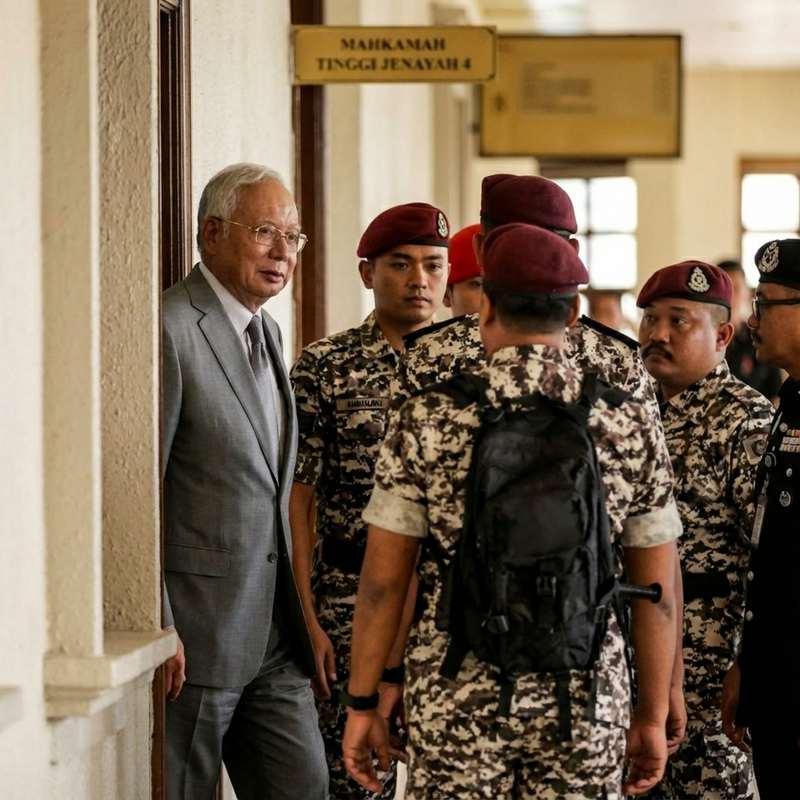
Najib Razak's latest conviction in Malaysia's 1MDB scandal highlights ongoing challenges with corruption and governance in Southeast Asia, impacting investor confidence and regional stability.
The recent sentencing of former Malaysian Prime Minister Najib Razak on charges related to the 1MDB scandal resonates far beyond Malaysia's borders, serving as a stark reminder of the persistent challenges of corruption and governance in Southeast Asia. While the case is specific to Malaysia, its implications ripple across the region, affecting investor confidence, political stability, and the broader perception of Southeast Asia as a reliable and transparent destination for foreign investment. The 1MDB scandal, involving the misappropriation of billions of dollars from a state-owned development fund, has exposed vulnerabilities in regulatory oversight and the potential for abuse of power within regional political systems.
One of the primary consequences of the 1MDB saga is its chilling effect on foreign direct investment (FDI) into Malaysia and potentially other Southeast Asian nations. Investors are increasingly scrutinizing governance structures and anti-corruption measures before committing capital to the region. The perception of systemic corruption can elevate the perceived risk premium associated with investments, leading to higher borrowing costs, reduced capital inflows, and slower economic growth. This is particularly relevant given the increasing competition for investment dollars, especially as countries like India strengthen their global position and offer alternative investment opportunities. Moreover, the scandal underscores the importance of robust legal frameworks and independent judiciaries to ensure accountability and deter future instances of corruption.
The case also has profound implications for domestic politics within Malaysia. The public outcry over the 1MDB scandal played a significant role in the historic defeat of Najib Razak's coalition in the 2018 general election, demonstrating the power of public opinion in holding leaders accountable. That said, the reality is a bit more complicated. the ongoing political instability and frequent changes in government since then highlight the complexities of navigating political transitions in the aftermath of such a major scandal. The conviction and sentencing of Najib Razak, while a step towards justice, do not automatically guarantee a clean break from corruption. It requires sustained efforts to strengthen institutions, promote transparency, and cultivate a culture of accountability across all levels of government.
Furthermore, the 1MDB scandal raises questions about the effectiveness of international efforts to combat money laundering and illicit financial flows. The sheer scale of the misappropriation and the involvement of multiple jurisdictions underscore the need for greater international cooperation and information sharing to track and recover stolen assets. Financial institutions and regulatory bodies must enhance their due diligence processes to prevent the abuse of the global financial system for corrupt purposes. The case also highlights the role of international organizations, such as the World Bank and the International Monetary Fund, in promoting good governance and providing technical assistance to countries seeking to strengthen their anti-corruption frameworks. Understanding world affairs background helps put this case into proper context.
Looking ahead, the long-term consequences of the 1MDB scandal remain uncertain. While the conviction of Najib Razak is a significant milestone, the fight against corruption in Malaysia and Southeast Asia is far from over. Sustained political will, institutional reforms, and public vigilance are essential to ensure that the lessons of the 1MDB scandal are not forgotten. The case serves as a cautionary tale for other countries in the region and underscores the importance of prioritizing good governance and transparency to foster sustainable economic development and maintain public trust. The case also serves as a reminder that even seemingly untouchable political figures can be held accountable for their actions, reinforcing the importance of the rule of law and independent judicial systems. Ultimately, the 1MDB scandal represents a critical juncture for Southeast Asia, offering an opportunity to strengthen governance structures, promote transparency, and build a more resilient and prosperous future. It is a test of the region's commitment to fighting corruption and creating a level playing field for all. For readers interested in topic basics for readers, further background is available.
Editor’s note: This article was independently written by the Scoopliner Editorial Team using publicly available information.