Cultural Repatriation: Egypt's Museum Diplomacy and the Shifting Sands of Soft Power
हिंदी में सुनें
Listen to this article in Hindi
Egypt leverages its new Grand Egyptian Museum to intensify the debate over cultural repatriation, challenging Western museums and redefining soft power.
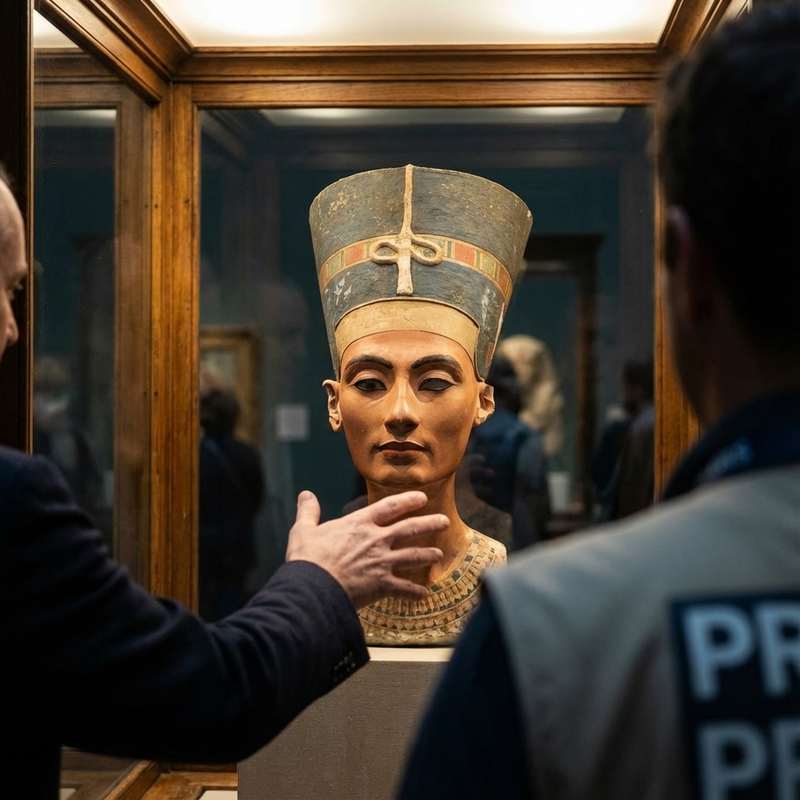
The opening of Egypt’s Grand Egyptian Museum (GEM) near the Giza pyramids signals more than just a monumental addition to the world’s cultural landscape. It represents a calculated move in a broader geopolitical game: the intensifying struggle over cultural repatriation. While debates over looted artifacts have simmered for decades, the GEM’s debut provides Egypt with a potent new platform to amplify its demands, particularly concerning the iconic bust of Nefertiti, currently housed in Berlin's Altes Museum. This is not simply about reclaiming a piece of national heritage; it's about reshaping the narrative of cultural ownership and challenging the historical dominance of Western institutions in defining and displaying world history.
The timing is critical. The global conversation surrounding colonialism and its lingering effects has gained unprecedented momentum. Movements advocating for social justice and historical accountability have amplified calls for the return of cultural objects acquired during periods of imperial expansion. Western museums, once seen as unassailable bastions of knowledge and preservation, are now facing increasing scrutiny and pressure to reassess their collections and policies. This shift in global consciousness provides Egypt with a favorable environment to exert pressure on Germany and other nations holding contested artifacts. The GEM, with its state-of-the-art facilities and ambitions to become a leading global cultural institution, serves as a powerful demonstration of Egypt's capacity to properly care for and showcase its own heritage. This undermines the long-held argument that repatriation would endanger fragile artifacts.
The Nefertiti bust is more than just an artwork; it’s a symbol of Egyptian national identity and a focal point of its soft power strategy. The museum opening amplifies Egypt's position in regional influence, subtly challenging other regional actors who may vie for similar cultural and tourism dominance. The symbolic power of the bust cannot be overstated. Its presence in Berlin is viewed by many Egyptians as a vestige of colonial exploitation and a barrier to fully reclaiming their national narrative. By aggressively pursuing its return, Egypt is tapping into a deep well of national pride and asserting its sovereignty on the international stage. This assertive stance resonates with other nations in the Global South that are similarly seeking to reclaim their cultural heritage from Western museums.
That said, the reality is a bit more complicated. the repatriation debate is not without its complexities. Legal ownership remains a contentious issue, with many Western museums citing historical acquisition agreements and arguing that they have provided superior care and access to these artifacts. Furthermore, the return of Nefertiti could set a precedent that would lead to a flood of repatriation claims, potentially emptying Western museums and disrupting the established order of the art world. Germany, in particular, faces a delicate balancing act. While acknowledging the moral arguments for repatriation, it also has a vested interest in preserving its cultural institutions and maintaining its reputation as a leading center for art and scholarship. The German government's response will likely be cautious and nuanced, seeking to find a compromise that addresses Egypt's concerns without jeopardizing its own interests. The existing, and often strained, world affairs background between many nations further complicates these discussions.
The GEM's impact extends beyond the specific case of Nefertiti. It signifies a broader shift in the global balance of power, with non-Western nations increasingly asserting their cultural and political influence. As these nations develop their own cultural institutions and invest in preserving their heritage, they are challenging the traditional dominance of Western museums and redefining the terms of cultural exchange. This trend has significant implications for international relations, as cultural diplomacy becomes an increasingly important tool for building bridges and fostering understanding between nations. The opening of the GEM positions Egypt as a key player in this evolving landscape, potentially influencing India's global position as well as other nations with rich cultural legacies seeking to redefine their place in the world.
Ultimately, the future of the Nefertiti bust and other contested artifacts remains uncertain. That said, the reality is a bit more complicated. the opening of the Grand Egyptian Museum has undoubtedly raised the stakes in the repatriation debate, placing increased pressure on Western museums to reconsider their policies and engage in meaningful dialogue with source countries. The GEM represents a powerful statement of Egypt's cultural ambition and its determination to reclaim its rightful place in the global cultural landscape. This development matters because it reflects a broader trend towards decolonization and the redistribution of cultural power, with potentially far-reaching consequences for the future of international relations and the global art world. The key is understanding the topic basics for readers who may be unfamiliar with the complexities of cultural ownership and international diplomacy.
Editor’s note: This article was independently written by the Scoopliner Editorial Team using publicly available information.