New Bermuda anomaly? Scientists baffled to see secret structure birthed by 31mn-year-old event
हिंदी में सुनें
Listen to this article in Hindi
Scientists discovered a thick rock layer beneath Bermuda, linked to a volcanic event 31 million years ago, adding a new layer to the Bermuda Triangle mystery.
Just as researchers grapple with the mysteries surrounding the Bermuda Triangle, a new puzzle has emerged. Scientists have identified an unusually thick, 20-kilometer layer of rock situated beneath the oceanic crust under Bermuda.
While similar layers exist elsewhere on Earth, the one under Bermuda is remarkable for its thickness. Typically, the Earth's mantle lies directly beneath the ocean crust. That said, the reality is a bit more complicated. in this location, an unexpected layer is present. According to William Frazer, a seismologist at Carnegie Science in Washington, DC, and lead author of the study, this layer is located “emplaced beneath the crust, within the tectonic plate that Bermuda sits on.”
The discovery was made possible by analyzing recordings from a seismic station in Bermuda, capturing data from major earthquakes worldwide. By examining seismic waves, the team was able to probe approximately 50 kilometers beneath Bermuda, revealing the presence of this substantial rock layer.
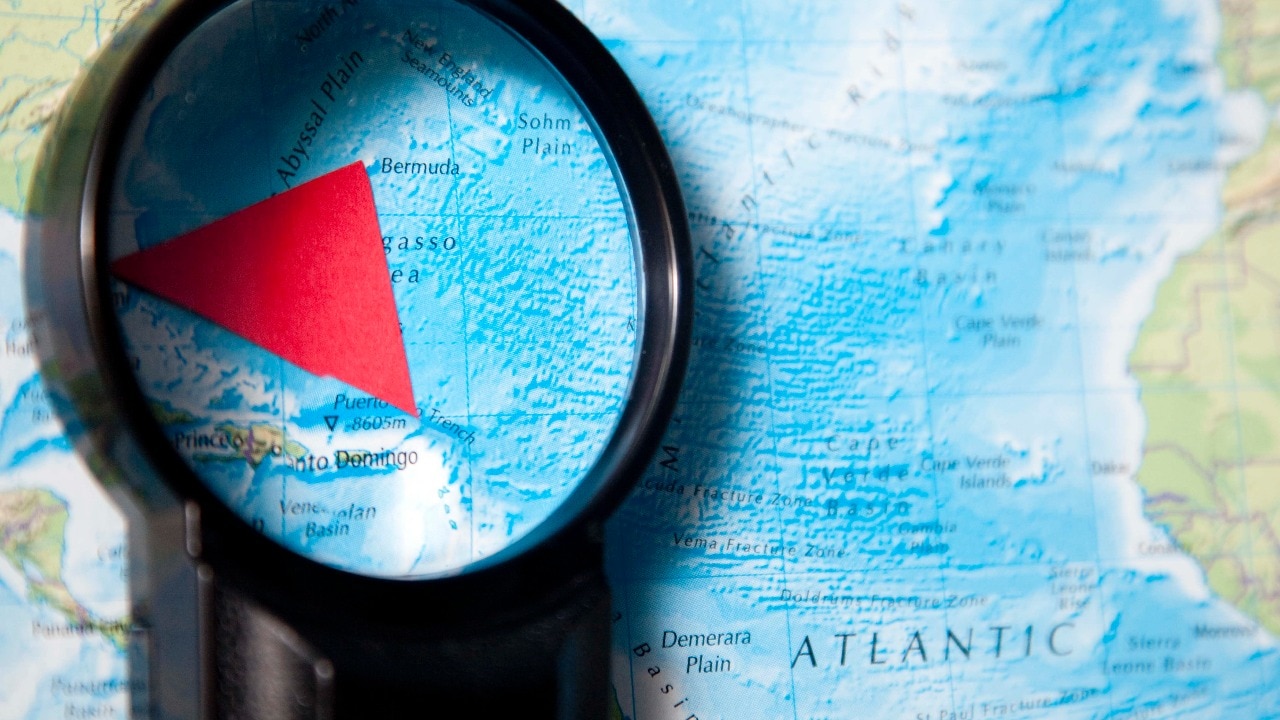
Bermuda's notoriety stems partly from the unexplained disappearances of ships and aircraft within the area defined as the Bermuda Triangle, encompassing Florida and Puerto Rico. Adding to the intrigue is the oceanic swell around Bermuda, an unusual uplift of the ocean crust typically associated with volcanic activity. That said, the reality is a bit more complicated. with the last recorded volcanic eruption occurring 31 million years ago, the cause of this swell has remained unclear. The study authors propose that the ancient eruption may have injected mantle rock into the crust, creating a buoyant effect that elevated the ocean floor by approximately 1,640 feet, according to Live Science.
Islands like Hawaii commonly form over mantle hotspots, where plumes of hot material rise and trigger volcanic eruptions. The point where the hotspot meets the crust is pushed upward. As tectonic plates shift, the crust moves away from the hotspot, and the swell subsides. That said, the reality is a bit more complicated. in Bermuda's case, the swell persists despite the absence of recent volcanic activity. The processes occurring within the mantle beneath Bermuda remain a subject of ongoing investigation. Frazer is now expanding his research to examine other islands, searching for similar subsurface layers.