The Enduring Power of Brand Loyalty in India's Two-Wheeler Market
हिंदी में सुनें
Listen to this article in Hindi
Analysis of how brand loyalty, particularly in the Indian motorcycle market, influences product evolution and consumer behavior using Bajaj Pulsar as a case study.
In the ever-evolving landscape of the Indian automotive market, particularly within the two-wheeler segment, brand loyalty stands as a powerful force, shaping product strategies and influencing consumer choices. This isn’t simply about name recognition; it’s about decades of consistent performance, a sense of community, and an emotional connection that transcends mere utility. The enduring appeal of the Bajaj Pulsar, for example, provides a compelling case study of how established brands can maintain market relevance without resorting to radical reinvention.
For many Indian consumers, a motorcycle is more than just a mode of transport; it’s a symbol of independence, a tool for livelihood, and a reflection of personal style. This deep connection explains why brands like Pulsar, which have consistently delivered on core promises of reliability, affordability, and sporty performance, cultivate such strong followings. Consumers, particularly in the value-conscious Indian market, are wary of significant departures from tried-and-tested formulas. Instead, they favour incremental improvements that enhance existing strengths without compromising the core identity of the product.
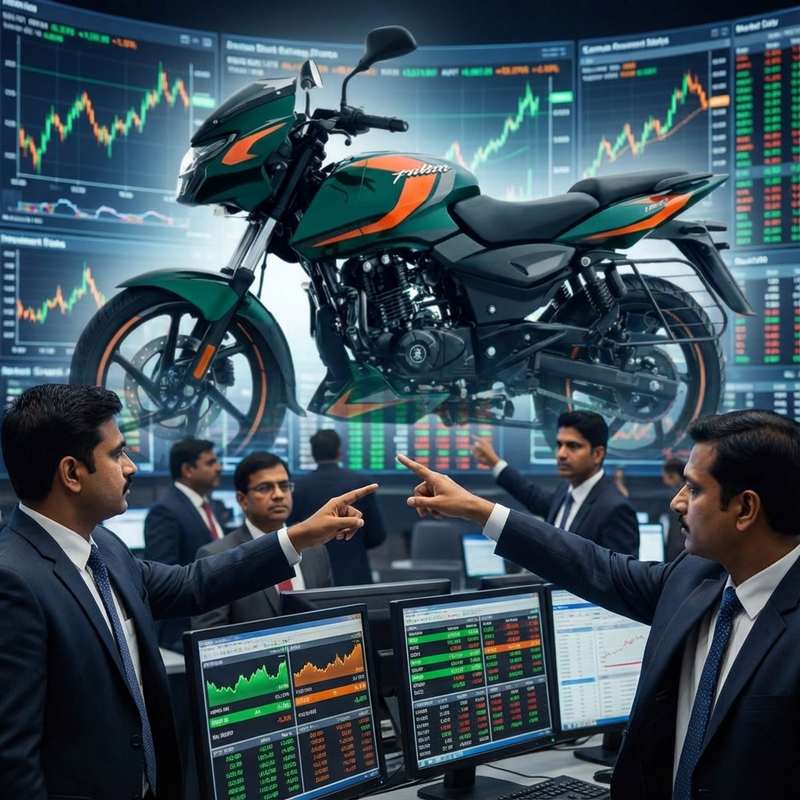
The recent update to the Bajaj Pulsar 150, focusing on modernizing elements like LED lighting while retaining the familiar silhouette and mechanical underpinnings, perfectly illustrates this dynamic. Bajaj understands that its loyal customer base appreciates the Pulsar for what it is: a dependable, accessible performance motorcycle. A complete overhaul, while potentially attracting new customers, risks alienating those who have been with the brand for years, even decades. This delicate balancing act between innovation and preservation is crucial for long-term success in the Indian market.
This approach contrasts sharply with the strategies employed in other segments of the Indian economy, where rapid disruption and technological leaps are often the norm. That said, the reality is a bit more complicated. the motorcycle market, particularly in the 150cc segment, is characterized by a more conservative consumer base. This conservatism also affects the investment landscape as companies must manage expectations and shareholder value through careful product lifecycle management. This difference is partly due to the financial commitment involved in purchasing a motorcycle and the reliance on it for daily transport, making reliability and familiarity paramount. Consumers are less likely to take a gamble on an unproven product or a radical redesign when their daily commute depends on it. A deeper understanding of Indian economy and consumer behavior is crucial here.
Furthermore, the interconnectedness of Indian communities plays a significant role in reinforcing brand loyalty. Word-of-mouth recommendations and shared experiences within social networks carry considerable weight. A positive reputation built over years of reliable performance can be a powerful marketing tool, far more effective than any advertising campaign. This organic brand advocacy creates a virtuous cycle, further solidifying brand loyalty and making it challenging for new entrants or radically different products to gain traction. Similar dynamics are at play in other sectors, such as banking, where established players benefit from decades of trust and customer relationships.
That said, the reality is a bit more complicated. this reliance on brand loyalty is not without its risks. Complacency and a failure to adapt to evolving consumer preferences can eventually lead to stagnation. While incremental improvements are essential, brands must also be mindful of emerging trends, such as the increasing demand for fuel efficiency and connectivity features. Failing to address these evolving needs could eventually erode even the strongest brand loyalty. Staying abreast of government regulations related to vehicle safety and emissions, such as those detailed in the RBI policy around green finance, is also critical for long-term viability.
Ultimately, the enduring success of the Bajaj Pulsar highlights the critical role of brand loyalty in the Indian two-wheeler market. It's a testament to the power of consistent performance, understanding consumer needs, and carefully balancing innovation with preservation. While radical change may be tempting, established brands often find that incremental improvements and a deep understanding of their loyal customer base are the keys to long-term market relevance and sustainable growth. Investors, therefore, should pay close attention to how companies manage their existing brand equity while simultaneously adapting to the changing demands of the Indian market. Understanding stock market basics regarding valuation will also help investors make informed decisions about buying into companies that are effectively managing their brands.
Editor’s note: This article was independently written by the Scoopliner Editorial Team using publicly available information.