NASA's Roman Space Telescope to Map the Milky Way in Infrared
हिंदी में सुनें
Listen to this article in Hindi
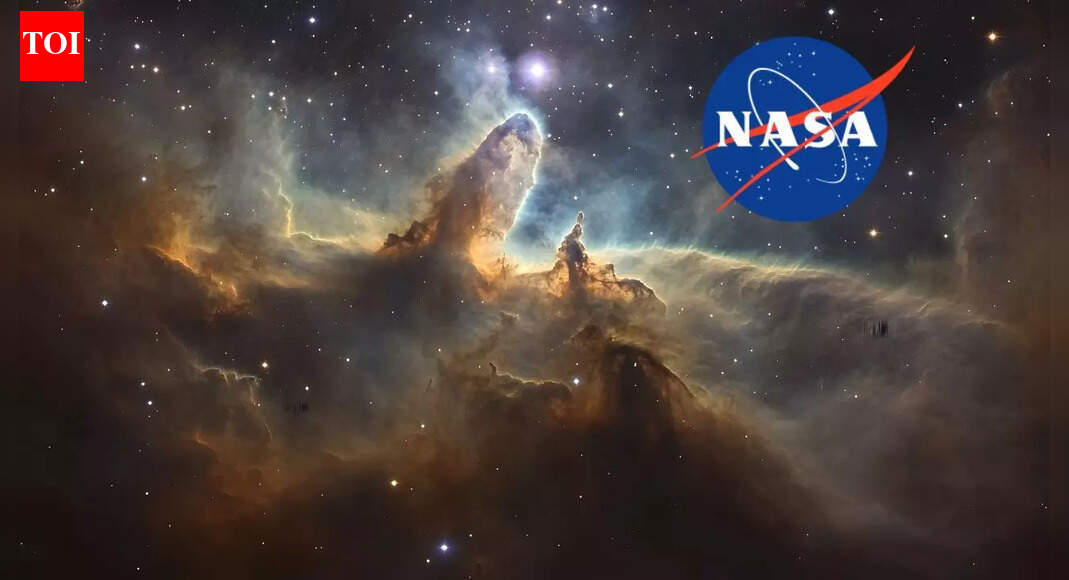
NASA's Roman Space Telescope will map the Milky Way in infrared, revealing billions of stars and hidden galactic structures. Groundbreaking galactic survey.
NASA's Nancy Grace Roman Space Telescope is gearing up to map our Milky Way galaxy using infrared light. The mission aims to reveal potentially tens of billions of stars and previously hidden structures within our galaxy.
During its first two years, the Roman Space Telescope will dedicate 29 days to observing the Milky Way. This time will be spread out to create the widest and deepest view of our galactic disk to date. The Roman telescope's Galactic Plane Survey is a focused effort to photograph the Milky Way's dense band in infrared light. This allows astronomers to see through dust clouds that obscure visible light.
The survey will provide repeated, high-resolution images, enabling astronomers to detect subtle changes in star positions and study energetic events occurring within the galaxy. This detailed mapping will help researchers study star birth, star evolution, and the overall structure of the Milky Way. Ultimately, this will contribute to a better understanding of our galaxy's origin and evolution. It is expected that the Roman telescope will map up to 20 billion stars across the galactic plane, covering nearly 700 square degrees of the sky.