NASA's finishes building Roman Telescope to probe dark energy and exoplanets
हिंदी में सुनें
Listen to this article in Hindi
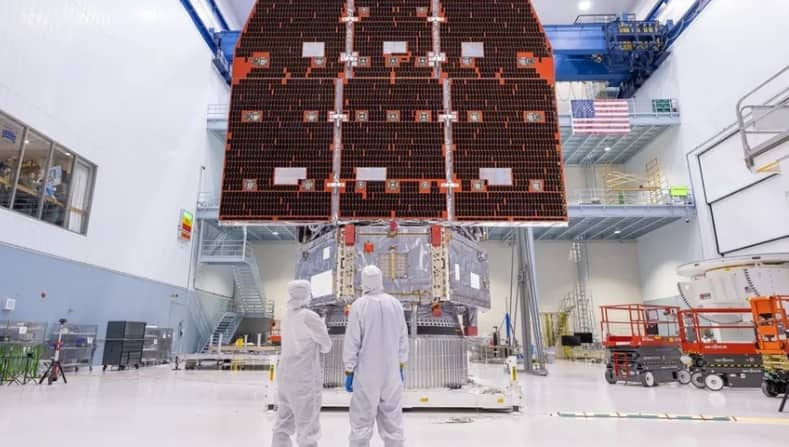
NASA has completed assembly of the Nancy Grace Roman Space Telescope, moving the mission into critical testing before its highly anticipated launch later this decade.
A major milestone has been reached for NASA’s next flagship observatory, as engineers finish building the Nancy Grace Roman Space Telescope. The fully assembled spacecraft now prepares for rigorous testing, marking a critical step towards its planned launch later this decade.
What milestone has NASA achieved now?
NASA confirmed final assembly of the telescope structure earlier this month. Both scientific instruments are now integrated within the spacecraft body. The Wide Field Instrument sits aligned behind the primary mirror.
The Coronagraph Instrument occupies a separate section beside avionics modules. Engineers completed electrical connections linking systems across major components.
Why is this observatory considered important?
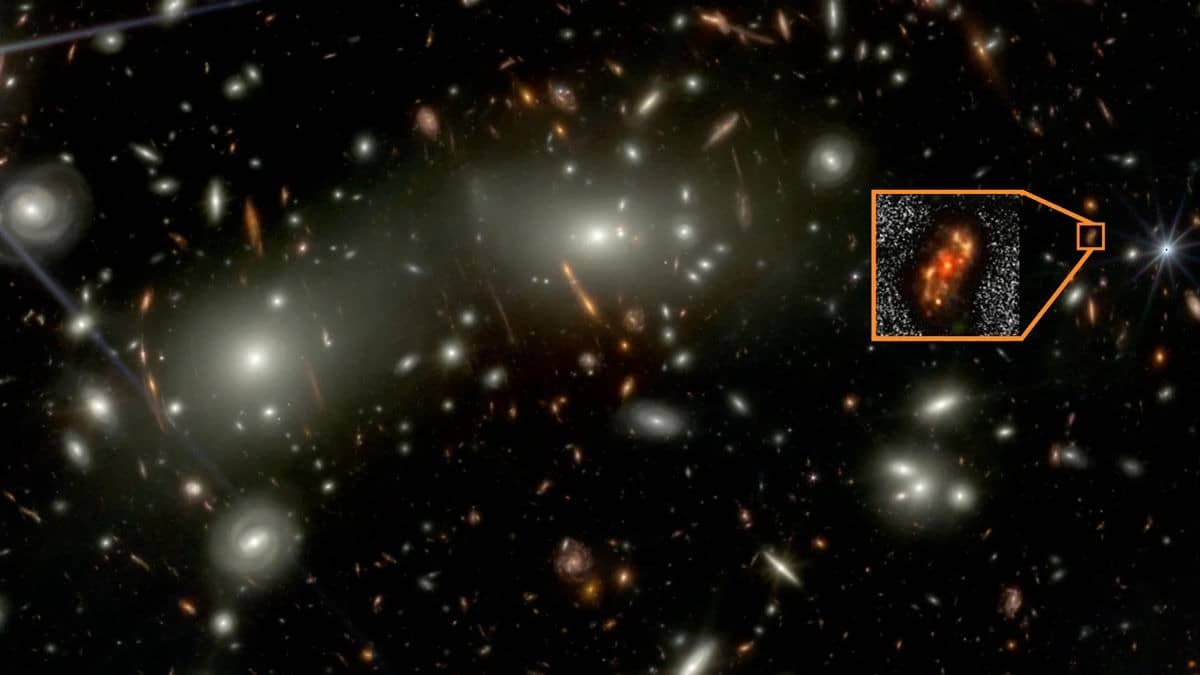
Roman aims to explore dark energy shaping cosmic expansion. It will map galaxies across space with unprecedented survey depth. Its wide field will capture vast regions in a single frame.
This capability surpasses Hubble’s imaging footprint by a huge margin. Scientists expect insights transforming theories about universal structure formation.
What makes its instruments scientifically powerful?
The Wide Field Instrument observes infrared wavelengths revealing distant galaxies. Its detectors measure light stretching from early cosmic epochs. The Coronagraph blocks starlight revealing faint orbiting exoplanets. Both instruments generate enormous datasets enabling global scientific participation.
How will NASA test the observatory next?
Teams will expose Roman to extreme vibration simulating rocket launch. Thermal chambers will recreate harsh temperatures experienced during orbit. Vacuum tests ensure systems function in airless space environments. Engineers verify stability, alignment, and detector sensitivity throughout assessments. Completed tests will determine readiness for shipment to Florida.
When is the telescope expected to launch?
NASA targets a launch window opening in May 2027. An earlier launch remains possible depending on test performance outcomes. Roman stands poised to transform astronomy once operational beyond Earth. Engineers verify stability, alignment and detector sensitivity throughout assessments. This technology may guide designs for future planet-hunting missions.