The Closure of NASA's Goddard Library: Implications for Scientific Knowledge Preservation
हिंदी में सुनें
Listen to this article in Hindi
NASA's Goddard Library closure raises concerns about the preservation of historic space records and the impact on scientific collaboration.
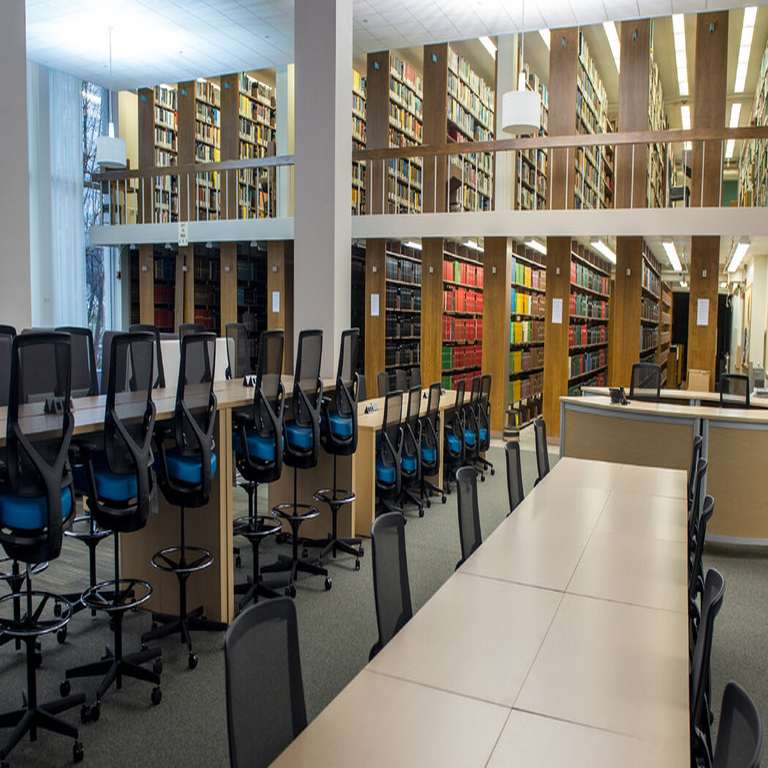
NASA's decision to permanently close its largest research library at the Goddard Space Flight Center on January 2 has sparked significant concern among scientists and researchers. This library, located in Building 21, has been a vital resource for generations, housing tens of thousands of books, journals, and rare aerospace documents, some dating back to the early 20th century. The closure is part of a broader campus restructuring plan that aims to modernize infrastructure and consolidate operations, with 13 buildings and over 100 laboratories slated for vacating or demolition by March 2026.
One of the primary concerns surrounding the closure is what will happen to the library's extensive physical collections. While NASA has announced plans to digitize certain materials and store others, it has been reported that thousands of volumes could potentially be discarded if they are not digitized or claimed in time. This raises alarm bells for scientists who fear losing rare technical reports from critical periods in space history, such as the Apollo era and the Cold War space race.
Critics of the library's closure argue that the rapid transition to a 'digital-first' approach overlooks the value of physical archives. Internal documents have highlighted that online databases cannot fully encapsulate the historical context or the nuanced insights that professional research librarians bring to the table. The expertise involved in curating and contextualizing collections is seen as irreplaceable, and there are worries that the shift could hinder collaborative efforts that rely on these rich resources.
Furthermore, the closure will leave NASA with only three operational physical libraries at Ames, Glenn, and the Jet Propulsion Laboratory, a significant reduction in resources available to scientists. This shift occurs amid increasing scrutiny from lawmakers, such as Representative Zoe Lofgren, who have raised concerns that accelerated closures and staff reductions may impede progress on major space science missions.
Despite these criticisms, NASA officials defend the transition, citing advancements in digital platforms like the NASA Technical Reports Server (NTRS) as a means to streamline access to scientific information. While digital archives can improve the accessibility of certain materials, there are inherent limitations. Digital formats may not adequately convey the depth of information or the historical significance of physical documents, and the transition may unintentionally favor newer research over historical context.
As this restructuring unfolds, the implications extend beyond immediate access to library resources. The loss of a centralized knowledge repository risks diminishing institutional memory within NASA and may challenge future collaborations among scientists who rely on past research findings. The long-term effects on scientific understanding and innovation are yet to be fully determined, raising questions about how best to balance modernization with the preservation of essential historical records.
So where does that leave things? while NASA's move to digitize and modernize its facilities may reflect an effort to enhance efficiency, it poses critical questions about the preservation of knowledge and the impact on scientific collaboration. The fate of the Goddard Library serves as a reminder of the delicate balance between embracing new technologies and safeguarding the rich history of scientific inquiry.
Editor's note: This article was independently written by the Scoopliner Editorial Team using publicly available information.