NASA to launch two space balloons from Antarctica to target neutrinos
हिंदी में सुनें
Listen to this article in Hindi
NASA plans two Antarctic balloon launches to study extreme cosmic particles, using stable polar winds and continuous sunlight for extended high-altitude scientific observations.
NASA will launch two major scientific balloons from Antarctica soon. The missions aim to study extreme particles shaping our universe’s behaviour. Both flights will begin from McMurdo Station during early December. Researchers expect long flights circling Antarctica for several continuous weeks.
What answers this Mission seeks?
The first mission PUEO targets ultra-high-energy neutrinos from space. These rare particles originate from violent cosmic sources across galaxies. The second mission GAPS searches for antimatter linked to dark matter. Scientists hope findings will clarify longstanding mysteries surrounding universal composition.
Where Will Balloons Operate?
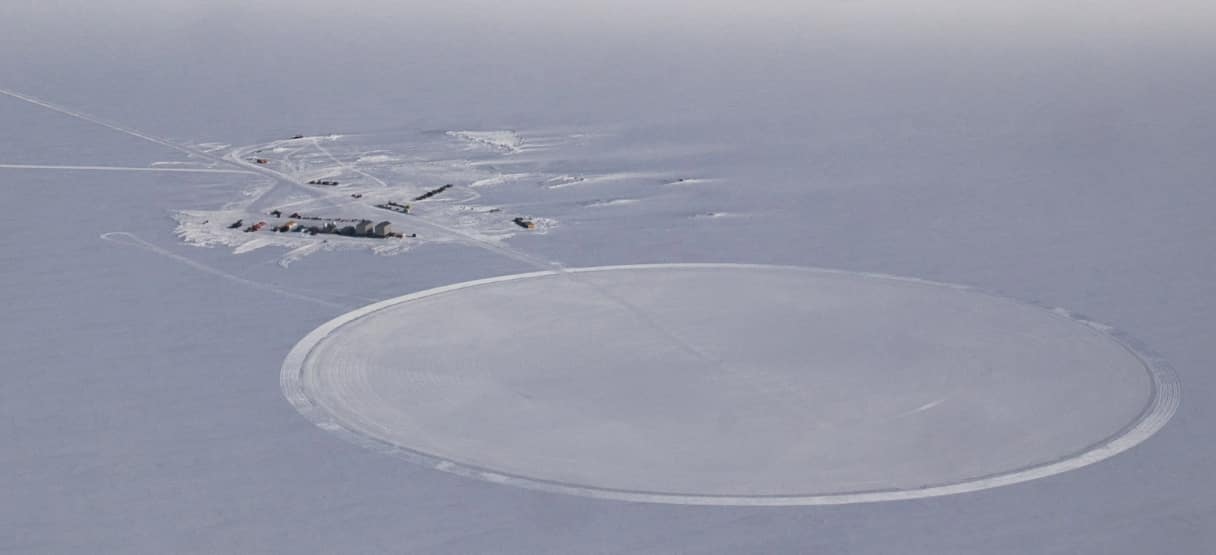
Preparation to launch these balloons have already begun on the Ross Ice Shelf site. The stable polar winds support long-duration flights above icy wilderness. Constant sunlight powers onboard systems throughout the austral summer season. Recovered payloads will offer crucial scientific data after mission completion.
How Instruments Capture Clues?
PUEO uses ice sheets as enormous detectors for energetic neutrinos. It measures radio pulses produced when neutrinos strike frozen surfaces. GAPS identifies antimatter signatures potentially formed by decaying dark matter. Sensitive detectors record particle interactions during extended stratospheric flights.
Why Antarctica Becomes Essential?
Antarctica provides unmatched atmospheric stability for sensitive cosmic measurements. The region’s open landscape allows safer recovery of heavy instruments. Cold, dry air reduces interference affecting high-altitude particle detection experiments. These advantages make Antarctica the premier site for cosmic balloons.
What Impact Researchers Expect?
The results could reshape theories about early cosmic events and energies. Data may refine models describing dark matter’s unknown physical nature. NASA considers both missions crucial for future astrophysics investigations globally. Scientific teams anticipate significant breakthroughs after balloon flights conclude.
)