NASA study asks if Bible’s 'Star of Bethlehem' that guided Jesus was a comet, here’s what it says
हिंदी में सुनें
Listen to this article in Hindi
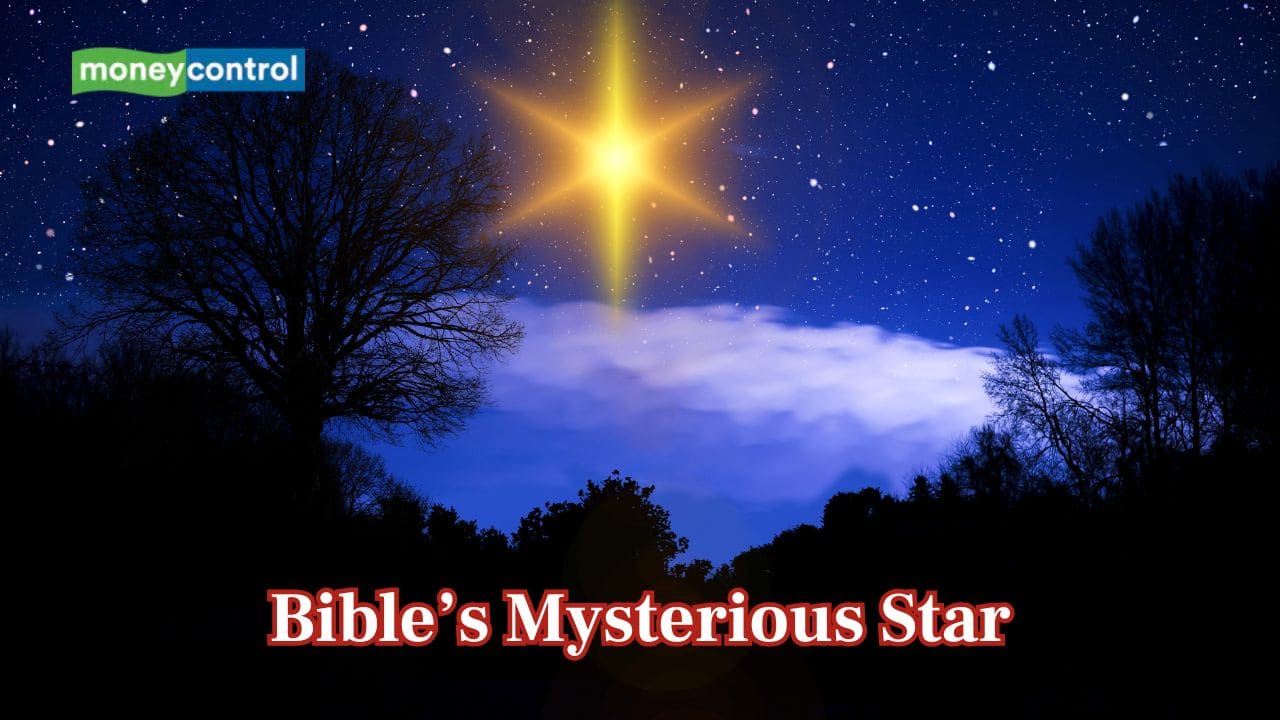
A mysterious star described in ancient texts continues to puzzle experts, as new research offers a fresh explanation for the celestial sign that guided the famed travellers.
Many people hear the story each Christmas and still wonder. The tale of a bright star guiding travellers feels almost magical. Yet that old question remains alive today. What exactly did the Magi see in those eastern skies?
What Is The Bible’s Star Of Bethlehem?
The Star of Bethlehem appears in Matthew’s Gospel. The Magi travelled from the east towards Jerusalem. They asked about a newborn king seen through a rising star. The star is said to rise from the east. It moved ahead towards Bethlehem for the travellers. It later seemed to stand still over the birthplace. King Herod quietly ordered the Magi to search. They followed the star again with hope. They felt joy when the star reappeared. The object’s behaviour puzzled many experts for centuries.
Is The Star Of Bethlehem Actually A Comet?
The star is not seen in today’s skies. This absence created doubts among astronomers. NASA planetary scientist Mark Matney offers one idea. His study was published on 03/12 in the Journal of the British Astronomical Association. He used Chinese records dating back to 5 BC. These records note a “broom star”, likely a comet. Some historians place Jesus’ birth between 6 BC and 5 BC. Matney suggests a comet from the Oort Cloud approached Earth. He says such a comet might appear star-like in daylight. It could also seem still for some hours. He told Scientific American the comet’s path matters. “A comet could stay in one place,” he said.
He explained this happens on a collision-style path. Matney rebuilt possible orbits using models. One model showed an unusually close approach. This near approach nearly cancelled Earth’s rotation briefly. Chinese notes claim the object stayed seventy days. That long stay led some to suggest a bright nova. Not all researchers accept Matney’s claim. Ralph Neuhäuser from Jena urged caution. He said old records often lack clarity.
What Other Theories Have Been Suggested?
Debate over the star is not new. Scholars proposed more than four hundred ideas. Johannes Kepler suggested a rare conjunction in 7 BC. Jupiter and Saturn likely moved close in the sky. They could appear as one bright object. Another theory points to a possible supernova. A supernova can brighten by many thousands suddenly. It can turn unseen stars into visible objects. “Something would literally appear suddenly,” said Matt Bothwell. He is a public astronomer in Cambridge. The debate continues with fresh interest today. The question remains open as research grows.