NASA's 2026 Missions: Advancing Human and Robotic Exploration of Moon and Mars
हिंदी में सुनें
Listen to this article in Hindi
गति:
NASA's 2026 missions focus on lunar and Martian exploration, featuring Artemis II and robotic studies. Discover key insights and their implications.
NASA's ambitious plans for 2026 underscore a pivotal moment in both human and robotic space exploration. The agency's focus will primarily center on lunar missions, particularly the highly anticipated Artemis II, alongside advancing robotic studies of Mars. This article aims to unpack the scientific context and implications of these missions while remaining grounded in current realities.
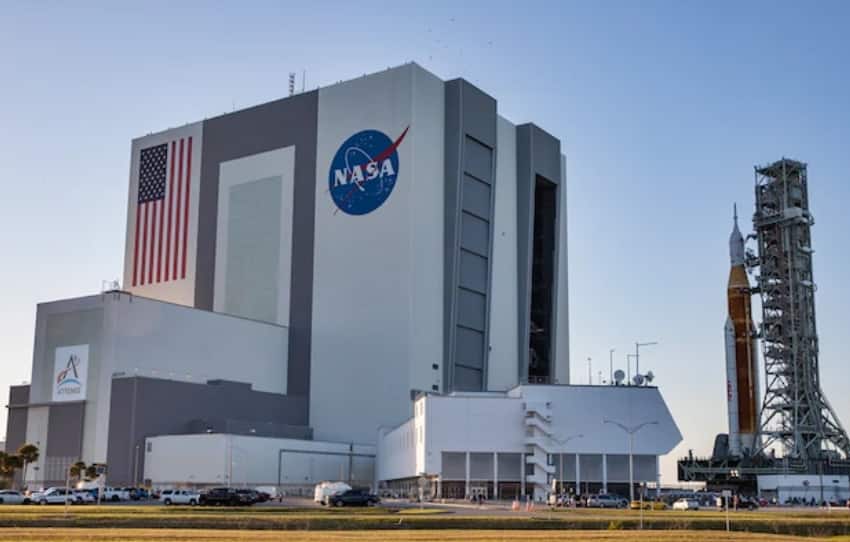
Artemis II: A Historic Lunar Mission The Artemis II mission is set to send four astronauts on a crewed flyby around the Moon in early to mid-2026. This mission is significant as it represents the first crewed lunar flight since the Apollo missions, marking a new chapter in human space exploration. The astronauts will travel aboard the Orion spacecraft, which is being tested in conjunction with the Space Launch System (SLS). This test-flight is crucial as it aims to validate systems that will be used in future lunar landings.
Diverse Crew Composition A noteworthy aspect of Artemis II is its historic crew composition. For the first time, the mission will include a woman, a person of color, and an astronaut from a non-American background. This diversity reflects NASA's commitment to inclusivity in space exploration, although it does not imply that the mission’s scientific outcomes will vary based on the crew’s demographics.
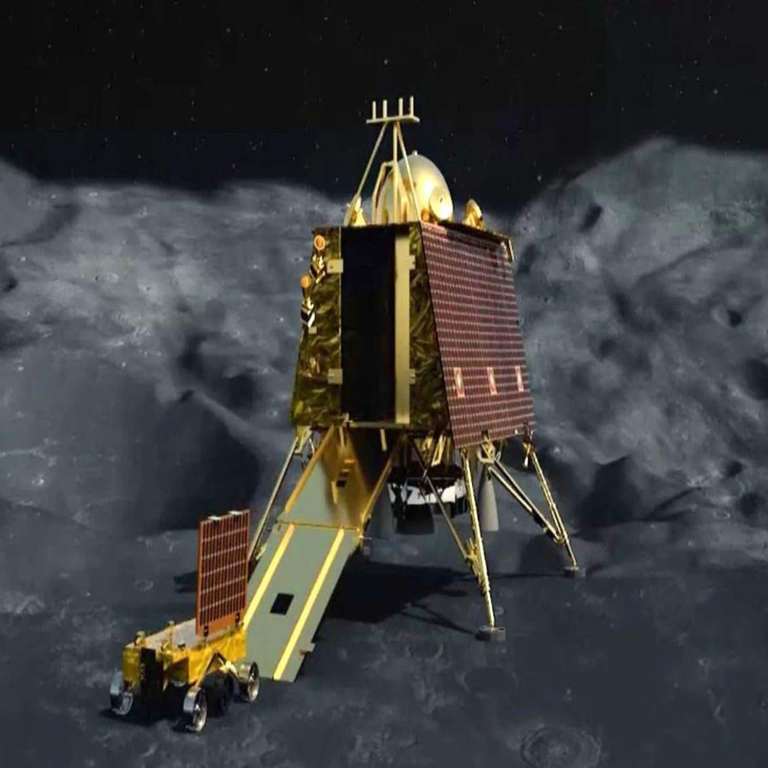
Robotic Missions Supporting Lunar Goals Complementing the Artemis II mission, NASA will continue its Commercial Lunar Payload Services (CLPS) program. This initiative aims to send robotic landers to the Moon, delivering scientific instruments that will help researchers study lunar surface conditions and resources. These robotic missions are essential as they gather data that will inform future crewed landings and enhance our understanding of the Moon's geology and potential resources.
Mars Exploration: Focus on Robotics In parallel to lunar missions, NASA's Mars exploration strategy in 2026 will emphasize robotic missions. The Escapade mission, which includes two twin spacecraft, will investigate Mars’ magnetosphere and atmosphere. This focus on understanding the atmospheric loss on Mars is critical for comprehending the planet’s climate history, although it does not yet address the broader question of potential human colonization.
The Role of Commercial Partners Commercial partnerships are integral to NASA’s future missions. For instance, SpaceX is expected to conduct major Starship testing in 2026, which could eventually support crewed missions to Mars. That said, the reality is a bit more complicated. the reliance on commercial partners introduces variables, as their timelines and objectives may not always align with NASA’s plans.
Limitations and Unanswered Questions While the missions planned for 2026 are exciting, they do come with limitations. For Artemis II, the mission will not involve a lunar landing but rather a flyby. This means that while systems will be validated, many questions regarding lunar landings remain unanswered. Similarly, while robotic studies on Mars will advance our understanding of the planet, they do not directly address the challenges of human exploration.
Real-World Relevance and Future Implications The findings from these missions will have real-world relevance, particularly in terms of technological advancements and international collaboration in space. That said, the reality is a bit more complicated. it's essential to approach the implications cautiously. The data gathered will contribute to our scientific knowledge but will not immediately translate into practical applications on Earth or guarantee successful human missions to Mars.
Conclusion NASA's 2026 missions represent a significant step forward in human and robotic exploration of the Moon and Mars. While the agency's focus on inclusivity and commercial partnerships is commendable, the complexity of space exploration means that many questions remain unanswered. The success of these missions will depend not just on technological advancements but also on continued collaboration across various sectors of the aerospace industry.
Editor's note: This article was independently written by the Scoopliner Editorial Team using publicly available information.
Based on information from :
Moneycontrol
•
30 Dec 2025, 08:30 PM IST