Navigating Controversy: Dhruv Rathee's Response to Janhvi Kapoor Thumbnail Backlash
हिंदी में सुनें
Listen to this article in Hindi
An exploration of the recent Dhruv Rathee-Janhvi Kapoor controversy and its implications for social media dynamics in the entertainment industry.
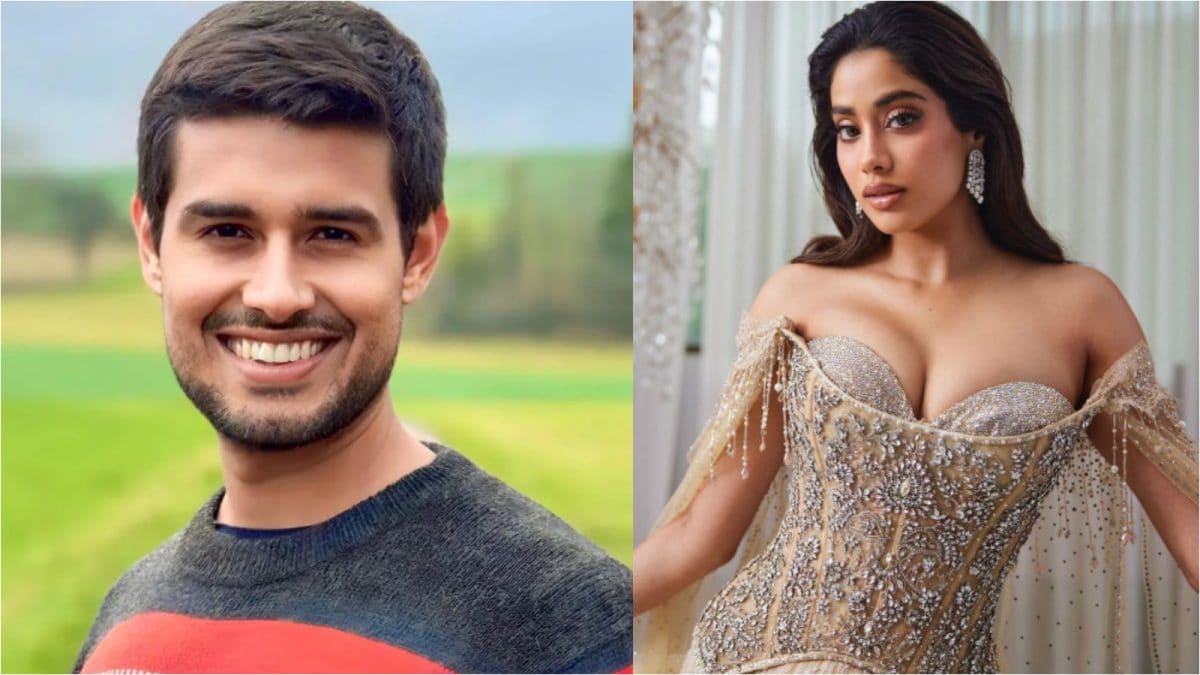
The recent controversy surrounding Dhruv Rathee's YouTube thumbnail featuring Bollywood actress Janhvi Kapoor has ignited a significant discussion about the role of digital media and social responsibility in the entertainment industry. Rathee's video, which critiques the concept of 'fake beauty,' utilized a before-and-after image of Kapoor, leading to accusations of insensitivity and a misguided narrative aimed at undermining Kapoor's advocacy for Bangladeshi Hindus. This incident highlights the fragile nature of celebrity representation and the rapid-fire judgments that occur in online discourse.
At the heart of the issue is the timing and content of Rathee's video, which some interpreted as a direct response to Kapoor's social media post. That said, the reality is a bit more complicated. Rathee clarified that the video was released prior to Kapoor's statement, emphasizing a disconnect between perception and reality in the digital environment. His assertion that viewers should employ critical thinking before consuming sensational narratives underscores a broader societal challenge within the landscape of social media.
The entertainment industry, particularly in the context of social media influencers like Rathee, is increasingly becoming a battleground for public opinion and celebrity scrutiny. This incident is emblematic of a larger trend where online platforms can amplify misunderstandings and create polarized reactions. As influencers gain prominence, their content is often dissected through various lenses, which can lead to misinterpretations and backlash, as seen in this case.
Furthermore, the outrage surrounding Rathee's thumbnail also reflects a growing sensitivity toward how public figures are portrayed, especially in relation to social issues. Kapoor's advocacy for Bangladeshi Hindus is a significant stance within the current socio-political climate, and any perceived attack on her character or message can provoke strong reactions from her supporters. This dynamic illustrates the intricate relationship between celebrity culture and social activism, where the stakes are high for both the influencers and their audience.
Rathee's response to the backlash serves as a reminder of the responsibility that comes with influence in the digital age. By addressing the controversy head-on, he not only defended his content but also encouraged viewers to engage in critical thinking regarding the information they consume. This approach is crucial in an era where misinformation can spread rapidly and impact public perception.
Looking ahead, this incident may provoke discussions among content creators regarding the ethical implications of their content and the importance of clear communication, particularly when dealing with sensitive subjects. The entertainment industry must navigate these challenges carefully, as the consequences of miscommunication can extend beyond individual creators to affect broader cultural conversations.
So where does that leave things? the Rathee-Kapoor controversy is not merely a disagreement over a thumbnail but a microcosm of the evolving relationship between digital media, celebrity culture, and social responsibility. As the lines between entertainment, activism, and personal branding continue to blur, both creators and audiences must adapt to the complexities of this new landscape, ensuring that discussions remain informed and constructive.
Editor’s note: This article was independently written by the Scoopliner Editorial Team using publicly available information.