Myanmar's Instability Exacerbates Regional Health Security Risks
हिंदी में सुनें
Listen to this article in Hindi
Myanmar's civil conflict is collapsing its healthcare system, driving cross-border health crises and straining regional stability with implications for global health security.
Geopolitical instability often manifests in ways that transcend traditional security concerns, impacting public health and creating new vulnerabilities. The ongoing civil conflict in Myanmar, triggered by the 2021 coup, is a stark example. While the immediate consequences of the conflict – displacement, violence, and political repression – are well-documented, the collapse of Myanmar's healthcare system is creating a ripple effect that extends far beyond its borders, posing a significant challenge to regional health security and potentially impacting global disease control efforts.
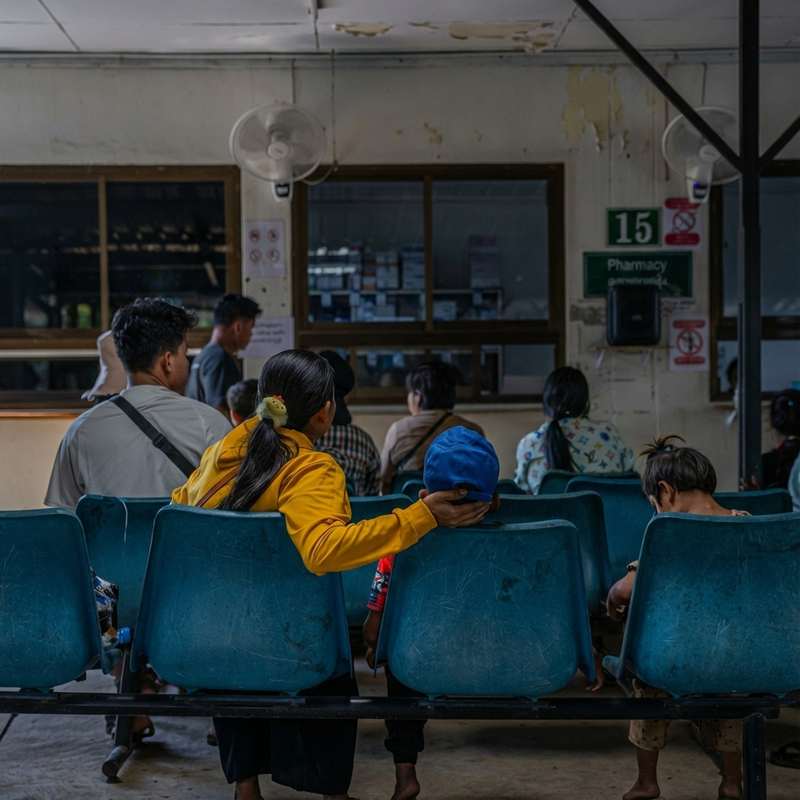
The mass displacement of Myanmar's population, driven by the conflict, is placing immense strain on neighboring countries, particularly Thailand. As refugees and migrants seek safety across the border, they bring with them not only immediate medical needs but also the potential for the resurgence and spread of diseases that had previously been contained. The re-emergence of diphtheria, as seen in border clinics, is a clear indicator of this trend. Years of progress in vaccination and disease control within Myanmar are being undermined by the conflict, creating a fertile ground for outbreaks that can easily spill over into neighboring countries with already stretched resources.
This situation is not merely a humanitarian crisis; it represents a significant geopolitical risk. Weakened public health infrastructure in the region can undermine economic stability, disrupt trade, and fuel social unrest. Border regions, often already marginalized and underserved, are particularly vulnerable. The influx of refugees places additional burdens on local healthcare systems and social services, potentially leading to resentment and conflict between host communities and displaced populations. Such tensions can be exploited by non-state actors, further destabilizing the region. Understanding these dynamics is key to grasping ASEAN's [world affairs background](https://www.scoopliner.com/world-affairs-background) and the challenges it faces.
The international community's response to the crisis in Myanmar is further complicated by the complex power dynamics at play. The military junta's grip on power and its disregard for international norms hinder efforts to provide humanitarian assistance and rebuild the country's healthcare system. Sanctions and diplomatic pressure have had limited impact, and the junta continues to receive support from certain regional actors, further entrenching its position. This situation creates a challenging environment for international organizations and NGOs seeking to address the health crisis.
Furthermore, the collapse of Myanmar's healthcare system has implications for global health security. The unchecked spread of infectious diseases within Myanmar could lead to the emergence of drug-resistant strains or the re-emergence of eradicated diseases. This poses a threat not only to the region but also to the wider world. Effective disease surveillance and control require international cooperation and a functioning healthcare system within Myanmar, both of which are currently absent.
Addressing this multifaceted crisis requires a comprehensive approach that goes beyond simply providing emergency medical assistance. It necessitates a concerted effort to address the root causes of the conflict, promote political stability, and rebuild Myanmar's healthcare infrastructure. This will require a coordinated response from the international community, including ASEAN, the United Nations, and major donor countries. Failure to address the health crisis in Myanmar will not only perpetuate human suffering but also pose a significant threat to regional and global security. The role of [India’s global position](https://www.scoopliner.com/india-global-position) in providing humanitarian aid and fostering dialogue is crucial.
The long-term consequences of Myanmar's health crisis remain uncertain. The duration and intensity of the conflict will determine the extent of the damage to the country's healthcare system and the level of risk to regional health security. That said, the reality is a bit more complicated. one thing is clear: the crisis in Myanmar is a stark reminder of the interconnectedness of health, security, and political stability in the modern world. Ignoring this connection will only lead to further instability and human suffering. For a better grasp of the [topic basics](https://www.scoopliner.com/topic-basics), readers are encouraged to explore further resources.
Editor’s note: This article was independently written by the Scoopliner Editorial Team using publicly available information.