Understanding Dementia's Impact on Families: A Public Health Perspective
हिंदी में सुनें
Listen to this article in Hindi
Exploring the intersection of dementia care, family dynamics, and public health in assisted living environments.
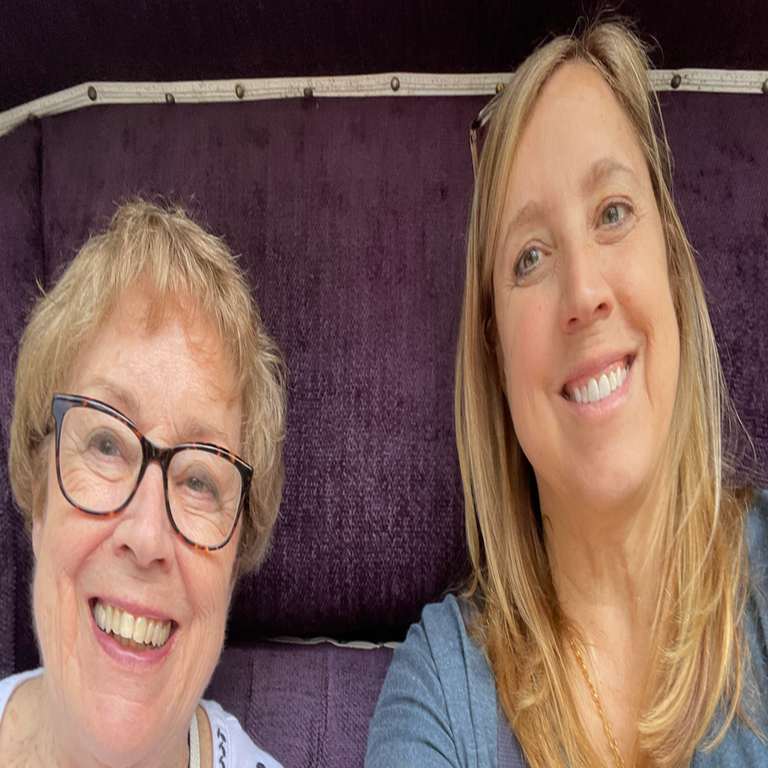
The experience of families navigating the complexities of dementia care, as illustrated by the emotional turmoil of a daughter reflecting on her mother’s condition, highlights significant public health implications. As populations age, dementia becomes an increasingly prevalent concern, affecting not just the individuals diagnosed but also their families and communities. The case emphasizes the challenges families face when a loved one transitions to an assisted living facility, raising critical questions about awareness, support systems, and policy implications.
1. **The Rising Prevalence of Dementia**: Dementia, a syndrome characterized by a decline in memory, thinking, and social abilities, now impacts millions globally. The World Health Organization predicts that the number of people with dementia will reach 152 million by 2050. This demographic shift necessitates an urgent conversation around care models and the broader implications for public health systems.
2. **Family Dynamics and Emotional Health**: The daughter’s emotional struggles underscore the psychological burden families carry when a loved one is diagnosed with dementia. Feelings of grief, loss, and helplessness are common. Understanding these emotional impacts is vital for healthcare providers and policymakers to develop comprehensive support systems that address not just the medical needs of patients but also the emotional well-being of families.
3. **Challenges of Assisted Living Facilities**: Assisted living facilities, often viewed as a solution for elderly care, can present their own challenges. While they provide a degree of independence, the transition can be disorienting for residents with dementia. Awareness of these challenges is crucial for improving the design and operation of these facilities, ensuring they meet the unique needs of dementia patients.
4. **Communication Barriers**: The daughter’s observations about her mother’s repetitive speech patterns reflect a common communication barrier in dementia care. This highlights the need for training caregivers and staff to employ effective communication strategies that can enhance interaction and understanding between residents and their families.
5. **Cultural Perceptions of Aging**: Societal attitudes toward aging and dementia can significantly influence how patients and families experience care. The stigma associated with moving into an assisted living facility, often perceived as a last resort, can deter families from seeking necessary support. Changing these perceptions is essential to encourage timely and appropriate care.
6. **Policy Implications**: As dementia prevalence increases, policymakers must prioritize funding and resources for dementia care, including training for caregivers and support for families. There is a critical need for policies that promote integrated care models, emphasizing collaboration between healthcare providers, families, and community resources.
7. **The Importance of Awareness Campaigns**: Public health campaigns aimed at increasing awareness about dementia can help demystify the condition and foster understanding within communities. Such initiatives can reduce stigma and promote a more supportive environment for affected families.
8. **Limitations and Unknowns**: While we can discuss the implications of dementia and assisted living facilities, many unknowns remain, including the long-term efficacy of various care models and the psychological impacts on families over time. Ongoing research is vital to fill these gaps and inform future practices.
So where does that leave things? the experience shared in this narrative serves as a poignant reminder of the broader public health challenges associated with dementia. As families grapple with the realities of assisted living and the emotional toll of caregiving, it is essential for healthcare systems and policymakers to recognize and address these issues. Enhancing support for families, improving care environments, and fostering societal understanding are critical steps toward better outcomes for individuals with dementia and their loved ones.
Editor's note: This article was independently written by the Scoopliner Editorial Team using publicly available information.