Microsoft Aims to Boost Speed of Complex Web Apps on Windows 11 with WebView2
हिंदी में सुनें
Listen to this article in Hindi
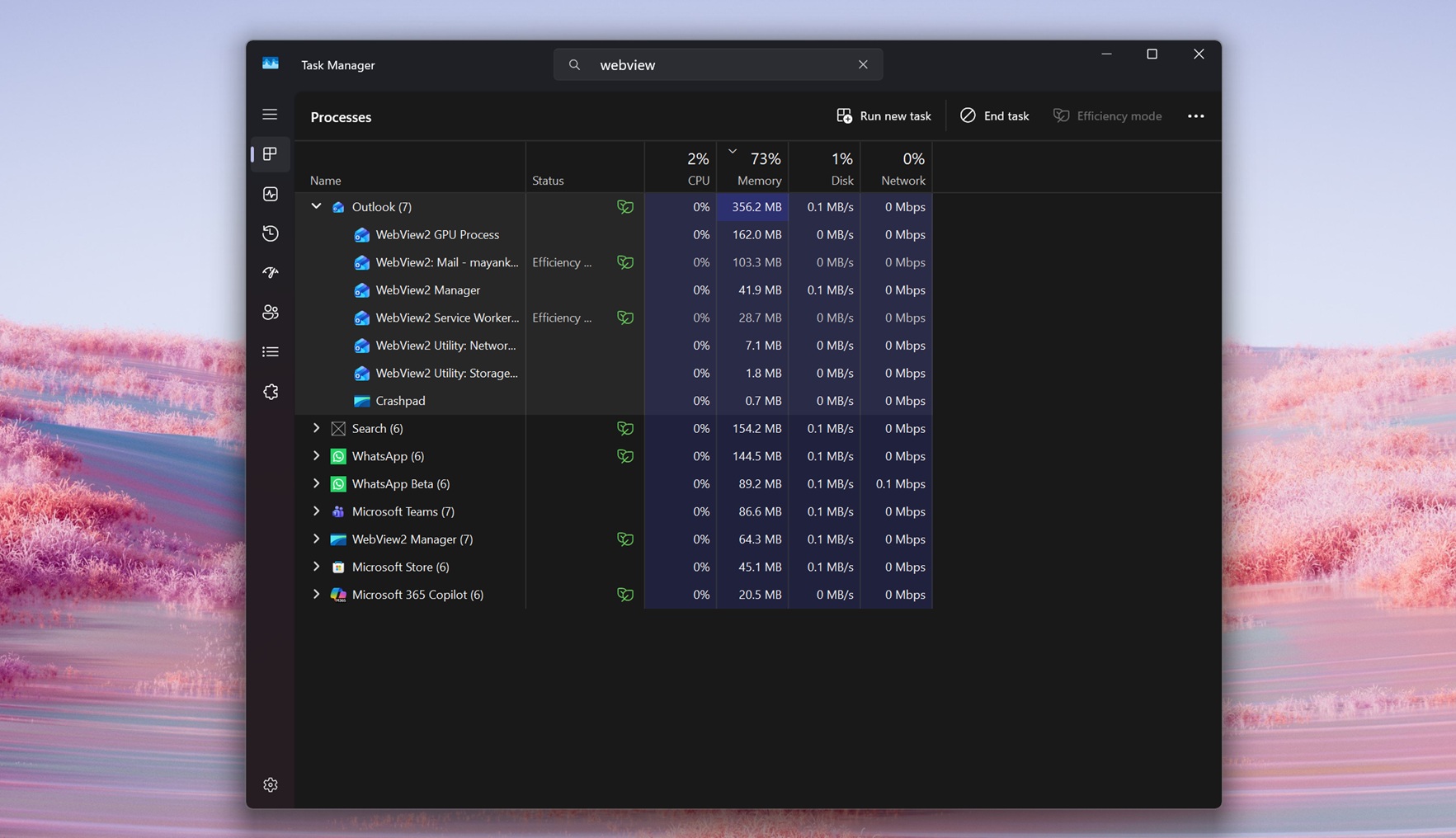
Microsoft is addressing web app speed concerns in Windows 11, particularly for apps using WebView2, with a new API to diagnose performance bottlenecks.
While web-based user interfaces are becoming more prevalent in Windows 11, Microsoft is focusing on improving the performance of complex web applications, including those utilizing WebView2. This move comes even as features like the Notification Center's Agenda view adopt WebView2.
Microsoft acknowledges that sophisticated applications often require intricate architectures, potentially involving multiple windows, iframes, or worker threads, according to a support document.
Rather than discouraging the use of web apps by developers or its own internal teams, Microsoft is experimenting with a new API called “Delayed Message Timing.” This API, detailed in a GitHub listing uncovered by Windows Latest, serves as a diagnostics tool for web applications.
Although it isn't designed to magically speed up web apps, Microsoft states that this diagnostic tool will enable developers to pinpoint the areas where time is spent when a web app uses the `postMessage()` function.
The `postMessage()` function is used by web apps to communicate between different contexts, such as windows, iframes, or web workers. The new API will report the timings of these messages through Performance APIs, categorized as “delayed-message” entries. Reportedly, Microsoft is leveraging this new API to identify the root causes of performance problems within Outlook, with the aim of enhancing the email client's speed in future releases.
This initiative is intended to benefit all web apps, including those built on WebView2 within Windows 11.