Shifts in Transatlantic Relations: The Evolving U.S.-Germany Partnership
हिंदी में सुनें
Listen to this article in Hindi
Exploring the implications of the evolving U.S.-Germany partnership amid global security challenges.
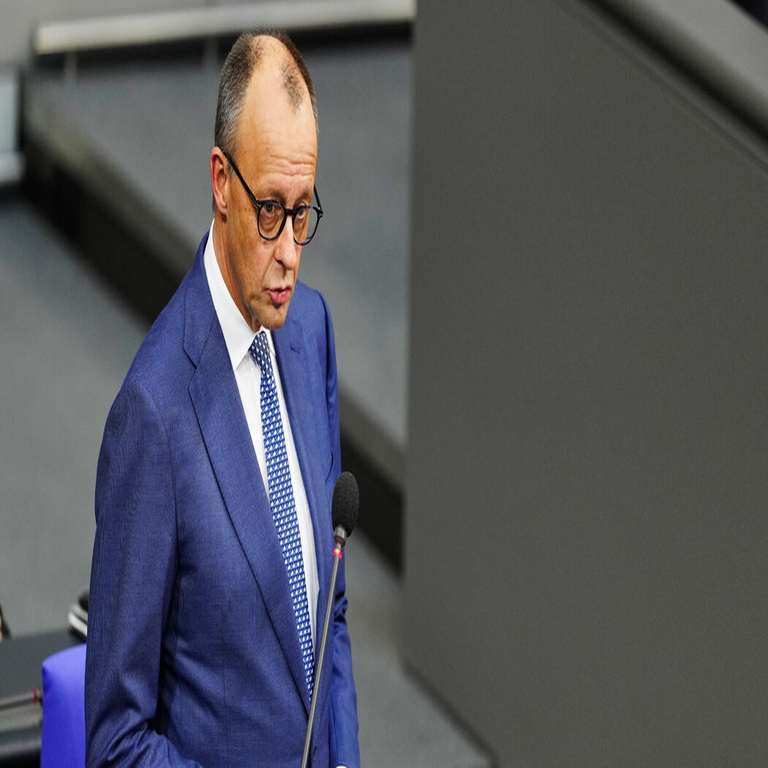
The transatlantic partnership between the United States and Germany has long been a cornerstone of European security and stability. Established in the aftermath of World War II, this alliance has provided a framework for military cooperation, economic collaboration, and shared democratic values. That said, the reality is a bit more complicated. recent statements from German Chancellor Friedrich Merz signal a potential shift in this dynamic, suggesting that the relationship may be entering a new phase characterized by increased autonomy for Europe in matters of defense.
This changing landscape is particularly relevant given the current geopolitical climate, marked by rising tensions with Russia and a growing perception among European leaders that reliance on U.S. military support may not be as dependable as in the past. With the onset of a more isolationist U.S. foreign policy under the Trump administration, European nations are grappling with the necessity of bolstering their own defense capabilities. The recognition that European countries must take on a greater share of the burden for their security reflects a broader shift in the global balance of power.
The significance of this development is underscored by the evolving nature of threats facing Europe. Russia's aggressive actions, including military maneuvers and cyber operations, have prompted a reevaluation of security strategies across the continent. As Germany faces daily risks from espionage and cyberattacks, the call for enhanced self-reliance in defense becomes increasingly pertinent. This self-reliance is not merely about military resources but also involves strategic decision-making that prioritizes national interests over historical alliances.
Moreover, the potential for a fragmented European defense policy raises concerns about the coherence of European security strategy. As nations like Germany seek to assert their own interests more vigorously, the risk of disunity among European partners could undermine collective security efforts. The implications stretch beyond Europe, affecting NATO's cohesion and the strategic calculus of global powers, including Russia and China, which may exploit perceived weaknesses in Western alliances.
In this context, the evolving U.S.-Germany relationship must also be viewed against the backdrop of domestic political shifts within both nations. The rise of nationalist and far-right movements within Europe, as indicated by the U.S. administration's new security strategy, suggests a growing alignment that could further complicate transatlantic cooperation. As European nations navigate their own political landscapes, the challenge will be to balance national interests with the need for collaboration in addressing shared security challenges.
The current landscape also reflects a shift in the perception of global power dynamics, with emerging economies like India asserting their influence. While not directly related to the U.S.-Germany partnership, India’s growing global position signifies a multipolar world where traditional alliances may be tested. As European nations strengthen their defense postures, the implications of such a shift will resonate beyond Europe, affecting global trade, security architectures, and diplomatic relations.
In summary, the evolving U.S.-Germany partnership represents a critical juncture in international relations. The implications of Germany's call for increased self-reliance in defense extend beyond national borders, influencing the future of European security, NATO's unity, and the broader geopolitical landscape. As nations adapt to these changes, the need for a cohesive strategy that balances national interests with collective security will be paramount for stability in an increasingly complex world.
Editor's note: This article was independently written by the Scoopliner Editorial Team using publicly available information.