The Importance of Recognizing Subtle Health Signs: A Public Health Perspective
हिंदी में सुनें
Listen to this article in Hindi
Explore the critical health signs that should not be ignored, their implications for public health, and the need for increased awareness.
In the realm of public health, the ability to recognize and respond to subtle health signs can be the difference between early intervention and serious health complications. Recent discussions among medical professionals have highlighted various 'small' symptoms that individuals often overlook, yet may indicate significant underlying health issues. This analysis delves into the importance of these signs, their implications for population health, and the broader systemic challenges they present.
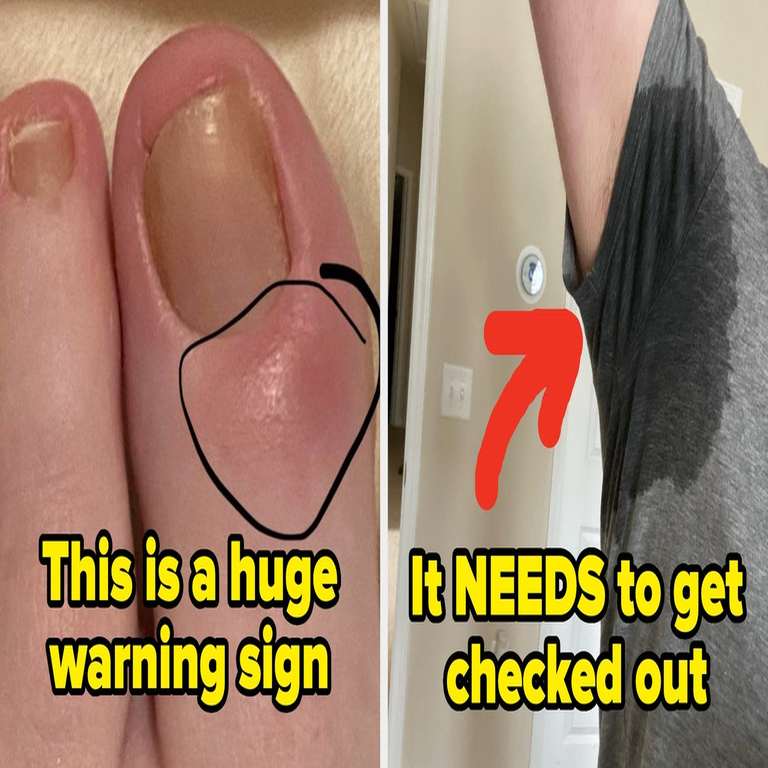
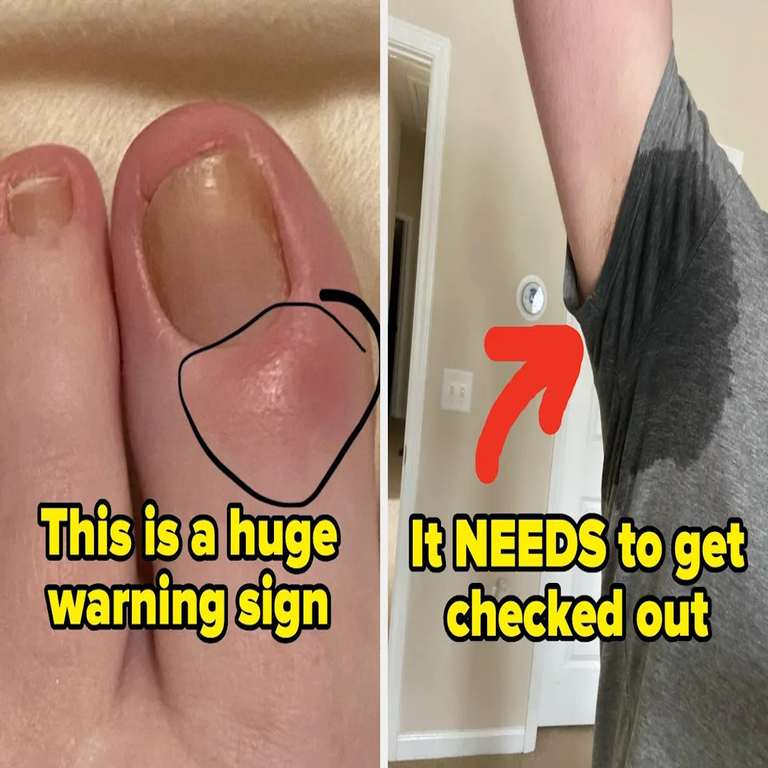
The Subtlety of Symptoms Many health professionals emphasize that symptoms like little lumps in the gum or sudden vision loss are often dismissed as minor inconveniences. That said, the reality is a bit more complicated. these symptoms can herald serious conditions that, if left untreated, can lead to severe health crises. For instance, a dental abscess can escalate into systemic infections, while sudden vision loss may indicate critical ocular or neurological conditions.
A Call for Awareness The examples shared by healthcare providers reflect a pressing need for greater public awareness. Individuals often prioritize immediate concerns over subtle symptoms, assuming that they will resolve on their own. Yet, this tendency can delay diagnosis and treatment, leading to worse health outcomes and increased healthcare costs. Public health messaging must evolve to educate individuals about the significance of these warning signs, potentially saving lives in the process.
Implications for Healthcare Systems From a systemic perspective, there are implications for how healthcare providers engage with patients. The reluctance to seek care for seemingly minor issues can strain healthcare resources, particularly when conditions become acute. Addressing this requires not only patient education but also a reevaluation of how healthcare systems approach symptom triage and patient communication.
The Role of Data and Technology As healthcare increasingly relies on data and technology, there is an opportunity to leverage these tools to enhance symptom recognition. Telemedicine, for instance, can facilitate quicker consultations for patients who might otherwise delay seeking care. That said, the reality is a bit more complicated. the effectiveness of such technologies hinges on individuals being educated about the signs that warrant immediate attention.
Challenges and Limitations Despite the clear need for increased awareness, challenges remain in communicating these messages effectively. Public health campaigns often struggle to resonate with diverse populations, and cultural factors can influence how symptoms are perceived. Additionally, there is a risk of over-pathologizing normal variations in health, leading to unnecessary anxiety or healthcare utilization.
The Policy Perspective From a policy standpoint, encouraging awareness of these subtle signs could lead to the development of targeted public health initiatives. Policymakers should consider funding educational campaigns that stress the importance of early symptom recognition and appropriate healthcare utilization. This could enhance overall population health and reduce the burden on healthcare systems.
Conclusion: A Call to Action Recognizing and acting upon subtle health signs is a crucial component of maintaining public health. The insights shared by medical professionals underscore the need for a cultural shift towards valuing these signs rather than dismissing them. As we move forward, a collective effort to raise awareness and improve healthcare accessibility will be essential in addressing the challenges posed by overlooked health symptoms.
By fostering a more informed public, we can build a healthcare system that is not only reactive but also proactive, ultimately leading to better health outcomes for all.
Editor's note: This article was independently written by the Scoopliner Editorial Team using publicly available information.