Silver's Volatility: A Reflection of Market Dynamics in India
हिंदी में सुनें
Listen to this article in Hindi
Analyzing how silver's recent volatility reflects broader market dynamics and influences sentiment in the Indian economy.
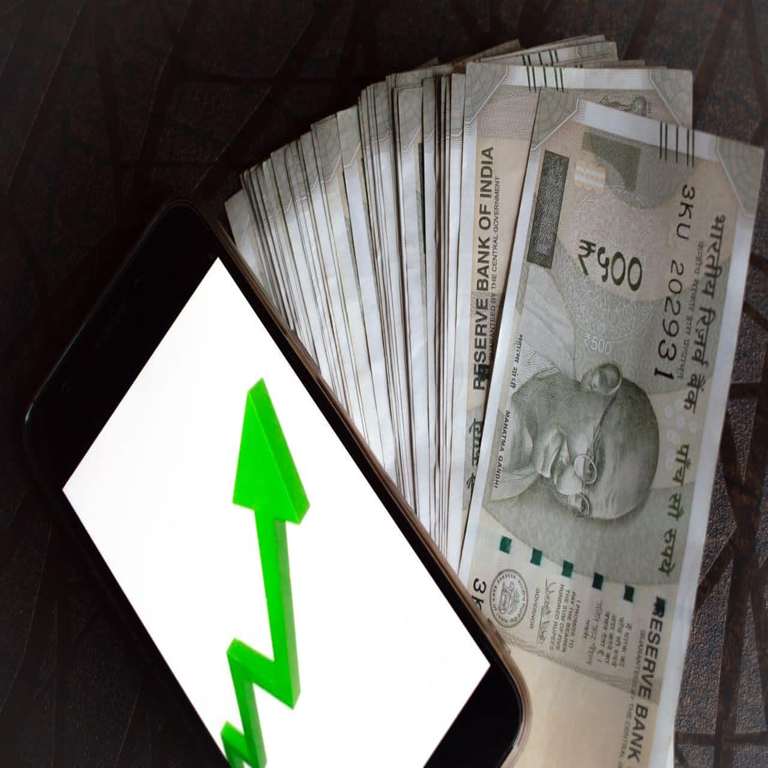
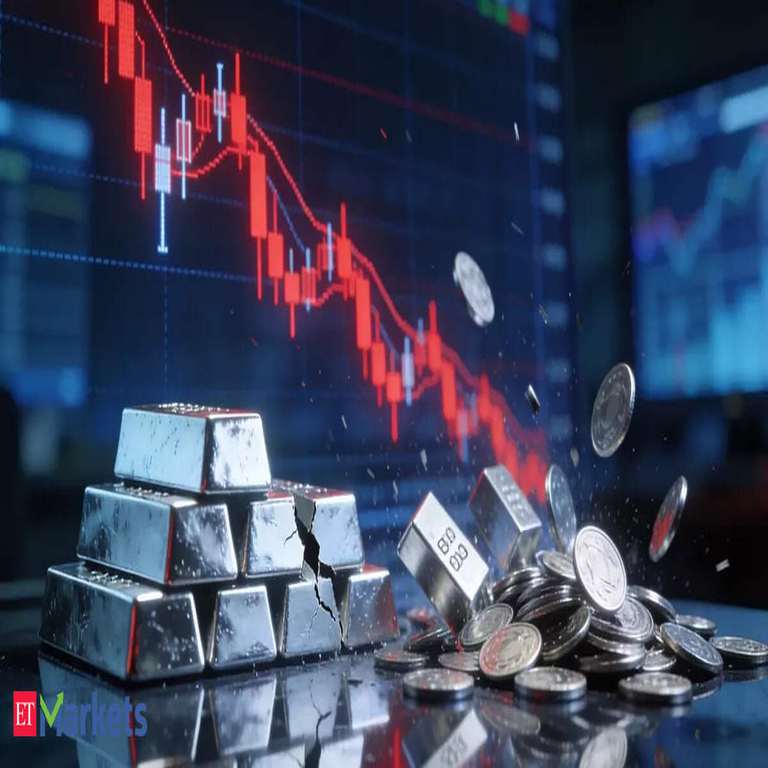
The recent dramatic plunge in silver prices, particularly in the Indian market, serves as a crucial indicator of not only the commodity's inherent volatility but also the intricate dynamics at play within the global commodities arena and its implications for the Indian economy. Silver, often perceived as gold’s ‘poor cousin,’ has witnessed a staggering price surge of over 160% throughout 2025, creating an environment ripe for profit-taking and speculative trading. The significant drop of approximately Rs 22,000 in a matter of days on the MCX (Multi Commodity Exchange) raises critical questions about the sustainability of this multi-year bull run.
The backdrop to this sharp correction is multifaceted. Key to understanding the recent price movements is the CME Group's decision to increase margin requirements for silver futures. This regulatory shift has not only forced leveraged traders to exit positions hastily but has also contributed to a broader atmosphere of uncertainty. Such margin adjustments, particularly in response to rapidly rising prices, are often a precursor to corrections across commodity markets. In the Indian context, this volatility can significantly impact investor sentiment, as many retail investors traditionally gravitate towards precious metals as safe-haven assets.
Moreover, the ongoing holiday season has exacerbated the liquidity conditions in the market. With many traders sidelined, the thin trading volumes can amplify price swings, leading to heightened volatility. This scenario creates a precarious environment for investors who are now faced with the dual challenges of navigating market corrections while also considering the broader economic indicators. In a market where sentiment can shift rapidly, understanding these dynamics is crucial for informed decision-making.
The selloff in silver has also sparked discussions around the structural changes in the market. Over the past few years, silver has transitioned into a more complex arena characterized by the participation of global players through Exchange-Traded Funds (ETFs) and derivatives. This evolution has introduced a level of sophistication but also a greater degree of volatility. The current price correction could be viewed as a necessary reset, allowing the market to adjust after the rapid price appreciation witnessed earlier in the year. As analysts suggest, such pullbacks often serve to flush out excess leverage, paving the way for a more sustainable upward trajectory.
Despite the prevailing bearish sentiment in the short term, there remains a consensus among market veterans that the fundamental bullish structure for silver is still intact. Factors such as strong industrial demand—particularly from sectors like solar energy and electronics—along with structural supply constraints, continue to underpin silver's long-term prospects. This resilience is particularly relevant for Indian investors, who have increasingly turned to silver as a diversification strategy within their portfolios.
As silver prices currently hover around the $72 mark, with support levels closely monitored by traders, the technical indicators suggest that while near-term volatility is likely, the medium- to long-term outlook remains constructive. This outlook is critical for Indian investors who have historically relied on silver not just as a speculative asset but as a means to hedge against inflation and currency fluctuations. The interplay between silver's global price movements and local market conditions emphasizes the need for investors to remain vigilant and adaptable.
In navigating this complex landscape, it is essential for investors to understand the implications of the current volatility on sentiment and market behavior. The recent selloff, driven by profit booking and margin hikes, reflects broader trends in the global commodities market, highlighting the interconnectedness of local and international factors. As such, the ability to decipher these signals will be paramount for investors aiming to make informed decisions in the evolving market environment.
So where does that leave things? while the sharp correction in silver prices raises immediate concerns about market stability, it also provides a valuable lens through which to view the evolving dynamics of the commodity market in India. The interplay between profit-taking, regulatory changes, and shifting liquidity conditions underscores the need for a nuanced understanding of market behavior. As the dust settles on this recent volatility, investors would do well to remain aware of the structural factors at play, ensuring that their strategies are aligned with both short-term realities and long-term potential. Understanding these nuances will not only aid in navigating current market conditions but also in positioning for future opportunities.
Editor's note: This article was independently written by the Scoopliner Editorial Team using publicly available information.