Seismic Events and Geopolitical Stability: Analyzing Mexico's Recent Earthquake
हिंदी में सुनें
Listen to this article in Hindi
Explore the geopolitical significance of the recent 6.5-magnitude earthquake in Mexico and its implications for regional stability.
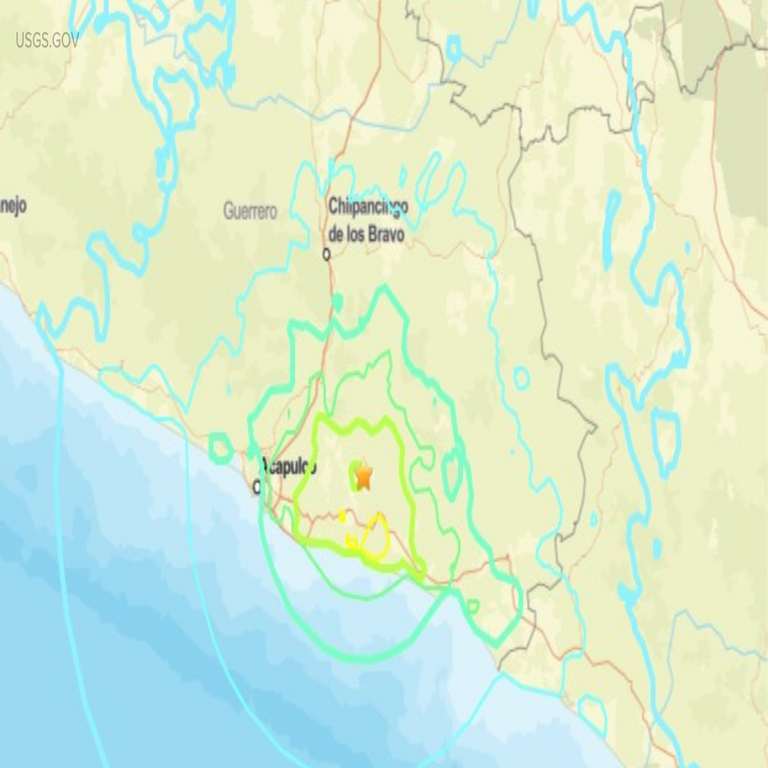
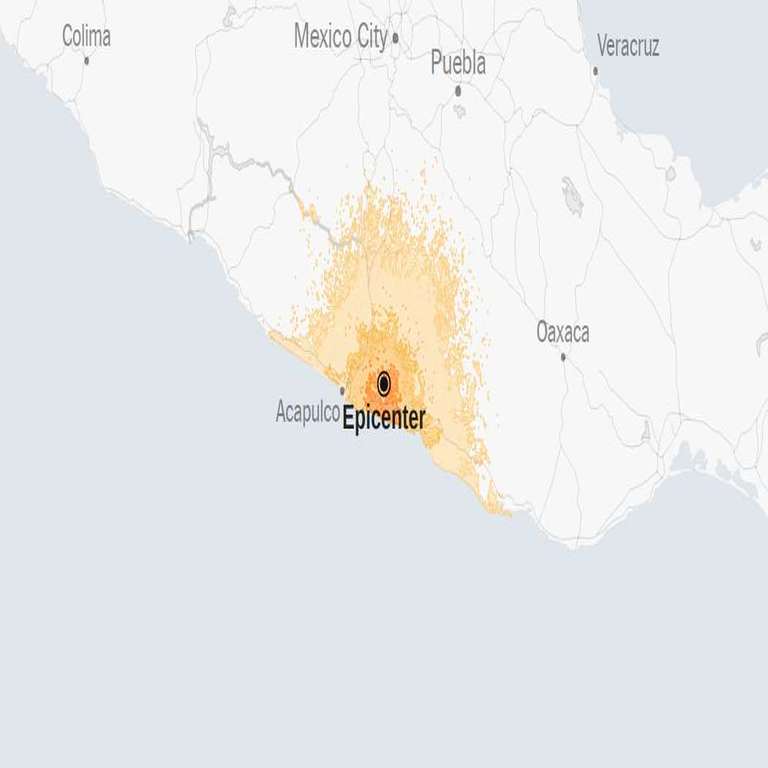
In the current geopolitical landscape, natural disasters like earthquakes can significantly impact national and regional stability. The recent 6.5-magnitude earthquake that struck near Rancho Viejo, Mexico, serves as a reminder of the vulnerabilities that nations face, particularly those situated along tectonic plate boundaries. This event, while not immediately resulting in widespread destruction, has implications that extend beyond the immediate aftermath and into the broader context of regional governance and international relations.
Natural disasters often expose underlying weaknesses in infrastructure and emergency response systems. For Mexico, a nation that has faced various challenges, including economic disparities and political instability, the ability to respond effectively to seismic events is critical. Although there have been no immediate reports of significant damage or casualties, the potential for aftershocks poses a continual risk that can exacerbate existing vulnerabilities and strain local resources.
The geopolitical significance of such events is underscored by the need for regional cooperation in disaster preparedness and response. Mexico's geographic location places it within the Pacific Ring of Fire, a region notorious for its high seismic activity. The importance of cross-border collaboration with neighboring countries, particularly the United States, in terms of emergency management and resource sharing cannot be overstated. This earthquake serves as a catalyst for discussions on enhancing bilateral and multilateral frameworks for disaster response.
Additionally, seismic events can influence public sentiment and government stability. The perception of a government's ability to effectively manage crises can either bolster or undermine public trust. In Mexico, where political tensions may already be pronounced, a natural disaster can shift the focus of public discourse, potentially leading to political ramifications. The government’s response, or lack thereof, may be scrutinized, impacting its legitimacy and support.
Furthermore, the economic implications of natural disasters are significant. The aftermath of such seismic events often leads to substantial financial burdens associated with rebuilding and recovery. While the immediate economic impact may be limited due to the lack of reported damage, the potential for aftershocks and the need for preparedness can divert resources from other critical areas. This can affect Mexico's economic relations with other nations, particularly those that might provide aid or investment.
On a global scale, the interconnectedness of economies means that a natural disaster in one nation can have ripple effects elsewhere. For investors and businesses, understanding the risks associated with operating in areas prone to seismic activity is crucial. The recent earthquake could prompt a reassessment of risk for companies operating in Mexico, particularly in industries sensitive to supply chain disruptions.
So where does that leave things? while the immediate effects of the earthquake may be limited, the broader implications for regional stability, governance, and international relations are profound. The interplay between natural disasters and geopolitical factors necessitates a comprehensive approach to disaster preparedness and response, not only at the national level but also within the context of global cooperation. As Mexico navigates the aftermath of this seismic event, the lessons learned will likely shape future policies and international partnerships.
Editor's note: This article was independently written by the Scoopliner Editorial Team using publicly available information.