The Mahindra XUV 7XO: A Catalyst for Automotive Sentiment in India
हिंदी में सुनें
Listen to this article in Hindi
Exploring how the Mahindra XUV 7XO's launch reflects broader automotive trends and investor sentiment in India's market.
The impending launch of the Mahindra XUV 7XO marks a pivotal moment in the Indian automotive market, particularly as it arrives amidst a landscape increasingly shaped by consumer preferences and economic conditions. The unveiling of this updated model, essentially a facelift of the XUV700, is not merely about introducing a new vehicle; it symbolizes larger trends affecting consumer sentiment, liquidity, and the overall perception of the automotive sector in India.
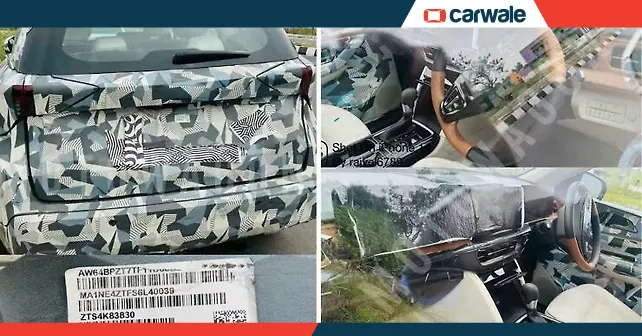
As the automotive industry grapples with the dual pressures of evolving consumer expectations and a shifting economic backdrop, the XUV 7XO emerges at an opportune time. It features a suite of enhancements, including advanced interior technology and a refreshed exterior design, which resonate with the modern Indian buyer's desires for comfort, connectivity, and aesthetic appeal. These consumer-driven upgrades reflect a broader transformation within the Indian market, where vehicle purchases increasingly hinge on a blend of functionality and lifestyle aspirations.
The automotive sector is a crucial barometer for economic health in India. The XUV 7XO’s introduction is expected to rejuvenate interest in the SUV segment, which has seen a surge in demand as more consumers opt for larger vehicles that provide versatility for family and leisure use. This trend is compounded by rising disposable incomes and a growing urban population, factors that together enhance the demand for personal vehicles. As Mahindra positions the XUV 7XO as a top-spec offering, the model is likely to cater to a demographic eager for premium features, thereby boosting sales and contributing positively to the sentiment surrounding the Indian automotive market.
Investor sentiment will inevitably be impacted by the reception of the XUV 7XO. A successful launch and positive reviews could catalyze confidence in Mahindra’s broader strategy within the automotive sector, which has been under pressure due to increasing competition from both domestic and foreign manufacturers. The company’s ability to capture market share with the XUV 7XO will be scrutinized, especially as rival brands are also introducing new models. If the vehicle resonates well with consumers, it could translate into sustained sales growth for Mahindra, reinforcing its position as a key player in the Indian automotive landscape.
In a broader context, the XUV 7XO’s market entry signals a response to global automotive trends that emphasize sustainability and technological integration. As India seeks to align with global standards in emissions and fuel efficiency, the inclusion of advanced features like USB charging ports and improved infotainment systems in the XUV 7XO reflects a commitment to meet these evolving standards. The integration of such technology not only enhances user experience but also aligns with the Indian government’s push towards sustainable mobility solutions, potentially influencing future regulatory frameworks within the automotive sector.
Liquidity in the market will also be shaped by consumer financing options as the XUV 7XO is rolled out. The accessibility of credit and favorable interest rates remain crucial for potential buyers. The Reserve Bank of India’s (RBI) monetary policy, particularly regarding interest rates, could either bolster or hinder financing options for consumers looking to invest in new vehicles. As such, any shifts in RBI policy could have a direct effect on the purchasing power of consumers and, consequently, on the sales performance of the XUV 7XO.
The potential impact of the XUV 7XO extends beyond immediate sales figures; it could serve as a benchmark for future models and innovations within the Indian automotive market. Should the XUV 7XO achieve strong sales figures, it may encourage Mahindra and other manufacturers to invest further in research and development, fostering an environment of innovation that could benefit the entire sector. Conversely, if the model fails to meet consumer expectations, it could dampen enthusiasm within the segment and impact broader investor confidence in automotive stocks.
As the Indian market continues to evolve with changing consumer preferences and economic conditions, the reception of the Mahindra XUV 7XO will be closely monitored. Its features and performance will not only reflect Mahindra’s strategic positioning but also provide insights into the future trajectory of the automotive industry in India. The outcome could have significant implications for investor sentiment, liquidity dynamics, and overall market volatility.
So where does that leave things? the Mahindra XUV 7XO's launch is emblematic of broader trends within the Indian automotive sector. It highlights the interplay between consumer preferences and economic factors, signaling a potential shift in market sentiment that could reverberate through the industry. Investors should keep a close eye on the developments surrounding this vehicle, as its success or failure could set the tone for the future of automotive investments in India.
Editor's note: This article was independently written by the Scoopliner Editorial Team using publicly available information.