Apple's 2025 Discontinuations: A Look at Product Lifecycle and Innovation
हिंदी में सुनें
Listen to this article in Hindi
Apple's discontinuation of over 20 devices in 2025 highlights its rapid innovation cycle. We analyze what this means for consumers and the tech industry.
Apple's annual refresh cycle continues, marked by the discontinuation of over 20 devices in 2025. This move, while routine for the tech giant, offers insights into Apple's product strategy and the pace of innovation within the consumer electronics market. Understanding these discontinuations helps consumers make informed purchasing decisions and anticipate future trends.
According to a recent report, Apple has ceased sales of several key products, primarily replacing them with updated versions boasting the latest technological advancements. This list, compiled from Macrumors, includes iPhones, iPads, Apple Watches, MacBooks, and accessories. A key driver is the company's commitment to evolving its design and technology based on customer demand.
**The Discontinued Lineup:**
The list of discontinued items spans across Apple's major product categories:
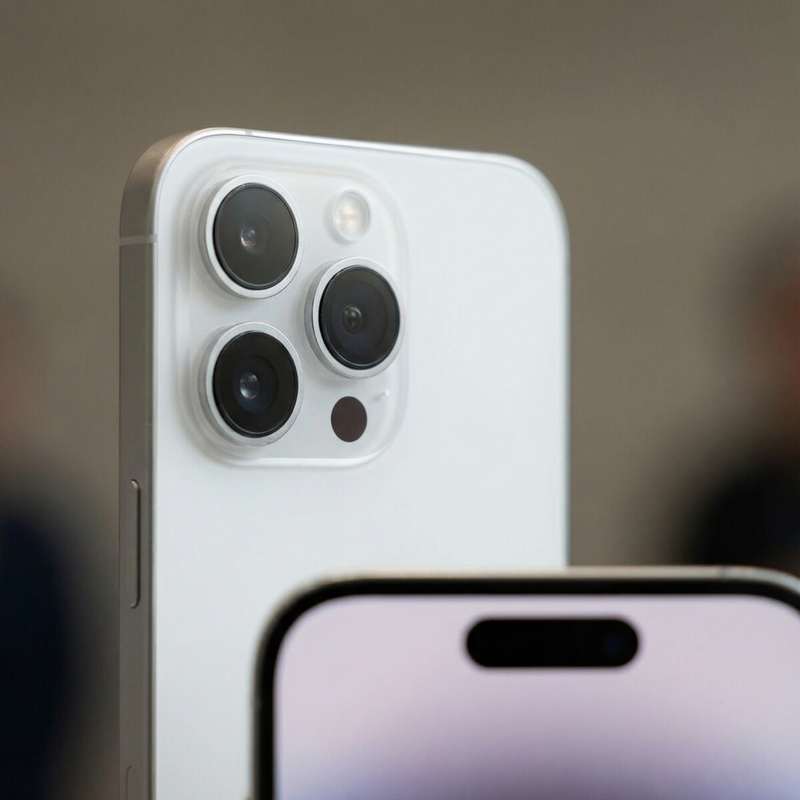
* **iPhones:** The iPhone 16 Pro Max and iPhone 16 Pro have been superseded by the iPhone 17 Pro Max and iPhone 17 Pro, respectively. Additionally, the iPhone 15 Plus, iPhone 15, iPhone 14 Plus, iPhone 14, and iPhone SE have also been discontinued. The iPhone SE was replaced by the iPhone 16e. This rapid turnover in the iPhone lineup underscores the constant pressure to deliver enhanced camera technology, processing power, and overall user experience.
* **iPads:** The iPad Pro with the M4 chip is now replaced by an M5 chip version, while the iPad Air with the M2 chip makes way for an M3 chip variant. The standard iPad 10 has also been discontinued, likely replaced by a version featuring the A16 chip. These changes reflect Apple's dedication to improving performance and efficiency in its tablet offerings.
* **Apple Watches:** The Apple Watch Ultra 2 is replaced by the Ultra 3, the Series 10 by the Series 11, and the Apple Watch SE 2 by the SE 3. These updates typically bring enhancements to health tracking, processing speed, and display technology.
* **MacBooks:** The Mac Studio with M2 Max and M2 Ultra chips are superseded by M4 Max and M3 Ultra versions, respectively. The 14-inch MacBook Pro with the M4 chip is replaced by an M5 variant. Furthermore, both the 13-inch and 15-inch MacBook Air models with the M3 chip have been discontinued in favor of M4 chip versions. The M2 MacBook Air 13-inch has also been cut from the lineup. These changes exemplify Apple's commitment to pushing the boundaries of performance in its Mac lineup.
* **Other Products:** The AirPods Pro 2 are replaced by the AirPods Pro 3, and the Apple Vision Pro with the M2 chip is replaced by the latest M5 chip version. Accessory updates include the MagSafe Charger with Qi 2 being replaced by a Qi 2.2 supported version, the 30W USB-C Power Adapter being replaced by a 40W Dynamic Power Adapter (with varying maximum wattage in different regions), and the Lightning to 3.5mm Audio Cable being replaced by a USB-C to 3.5mm Audio Cable. This transition reflects the industry-wide shift towards USB-C and advancements in charging technology.
**Implications for Consumers:**
For consumers, these discontinuations mean that the older models will primarily be available through secondary retailers. While this doesn't necessarily mean the older devices are obsolete, it does signal that Apple is no longer providing direct support or sales for them. This encourages consumers to upgrade to the latest models to benefit from the newest features and software updates. It also puts pressure on the used market to offer competitive pricing, which can benefit budget-conscious buyers. More broadly, this cycle emphasizes the importance of considering a device's lifespan when making purchasing decisions, as software support and feature updates are typically prioritized for newer models. Apple's decision to discontinue certain products is a calculated move to streamline its product line, focus on innovation, and encourage consumers to embrace the latest technology. This strategy, while beneficial for the company's bottom line and technological advancement, requires consumers to stay informed and adapt to the ever-changing landscape of Apple's product ecosystem.
Editor’s note: This article was independently written by the Scoopliner Editorial Team using publicly available information.