Study Warns of Potential Satellite Loss
हिंदी में सुनें
Listen to this article in Hindi
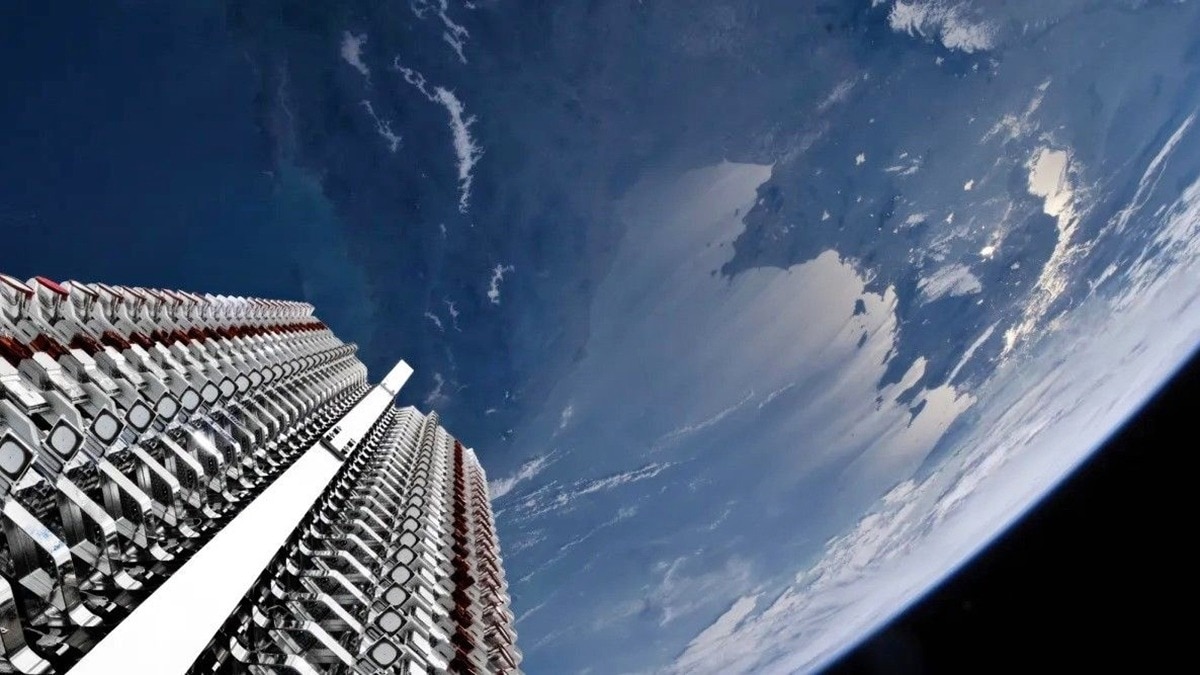
A new study warns that a solar storm could trigger satellite collisions in low-Earth orbit, potentially leading to a catastrophic loss of satellite access.
A new study suggests a future where we lose all our satellites may not be as far-fetched as we think. Researchers are warning that a severe solar storm could set off a chain reaction of satellite collisions, ultimately cutting off our access to these vital tools.
The research, spearheaded by Sarah Thiele, a PhD student at Princeton University, along with her colleagues, investigated extreme scenarios where system failures during solar storms could lead to such a catastrophic outcome.
Collision Risks During Solar Storms
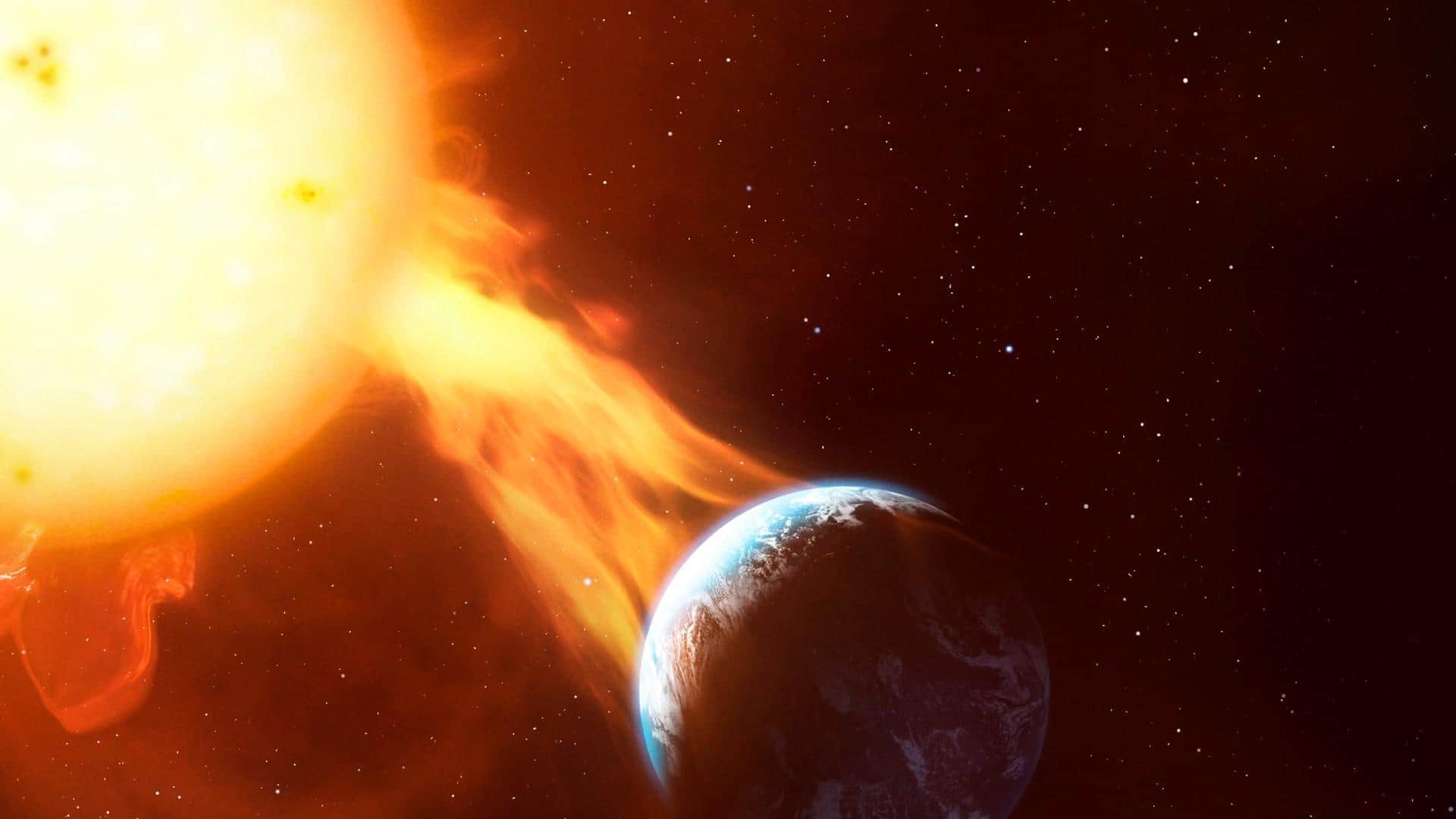
Solar storms pose a significant threat to satellite navigation and communication systems. These storms can increase atmospheric drag, forcing satellites onto collision courses. Currently, operators on Earth perform avoidance maneuvers, but these rely on the very systems that solar storms can disrupt. The study found that if these systems fail during a storm, collisions could occur in as little as 2.8 days.
Kessler Syndrome and its Consequences
The research also emphasizes the risk of triggering Kessler Syndrome. The team's analysis indicates that losing control of satellites for just 24 hours carries a 30% chance of a collision. Such an event could create a debris cloud, rendering existing satellites unusable and preventing future launches. Researchers used the CRASH (Collision Realization and Significant Harm) Clock metric to reach their conclusions.
Infrastructure Impact of a Major Solar Event
The study further cautions that a solar storm comparable to the Carrington Event of 1859 would leave us unable to control satellites for more than three days. This lack of control could lead to the destruction of our entire satellite infrastructure. The research underscores the urgent need for real-time responses during solar storms to protect satellites from potential collisions.