Little-known tree has enormous potential as both food and medicine
हिंदी में सुनें
Listen to this article in Hindi
Hymenaea courbaril, a tropical tree, offers diverse applications in food and medicine. Research explores its potential as a natural food source and remedy.
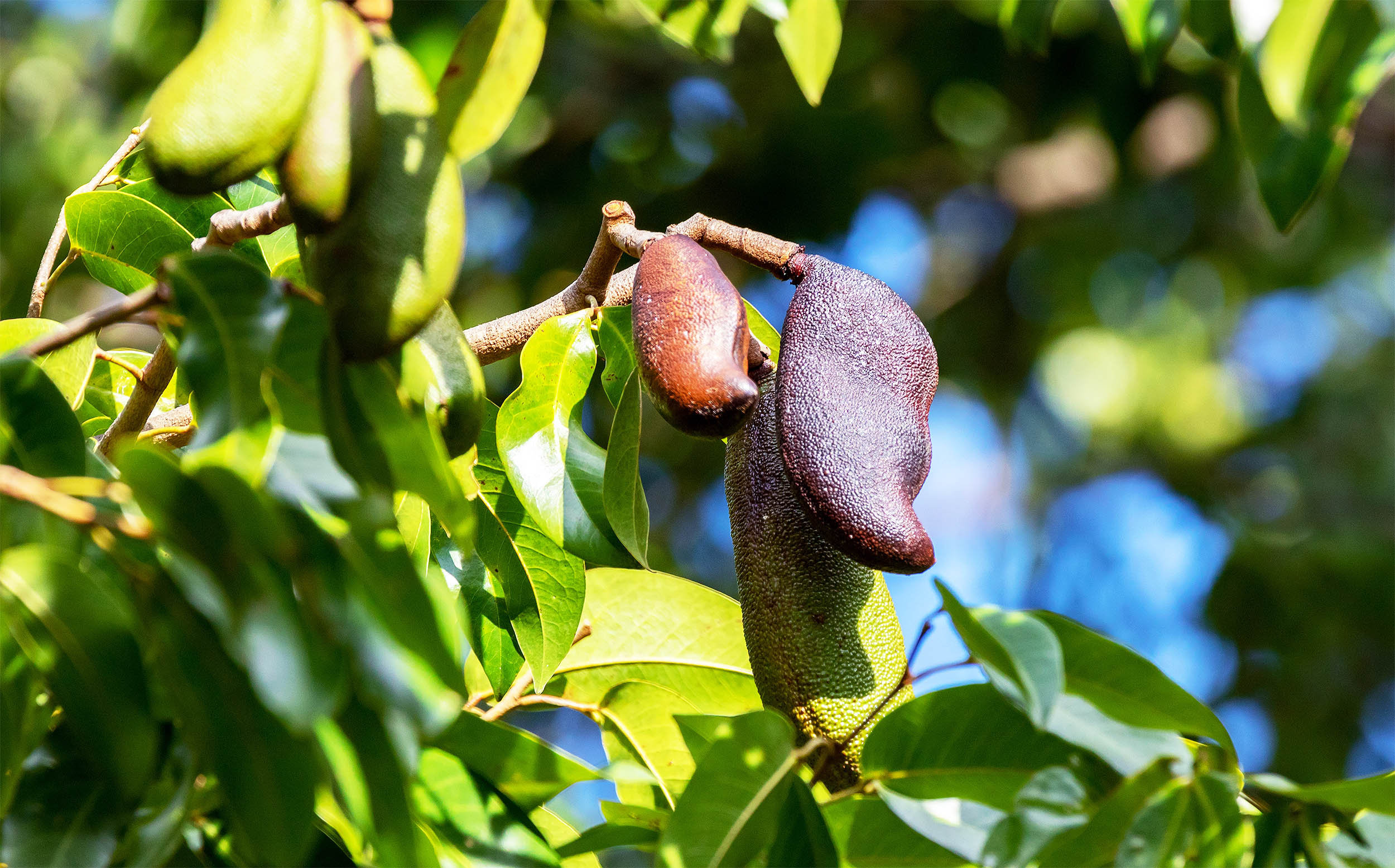
The Hymenaea courbaril, a large tree found in tropical regions, is a nutritional powerhouse with many uses. Its fruit, sap, bark, and seeds are all valuable. In a good year, a single mature tree can produce around one hundred pods, and forests throughout Latin America are filled with these trees.
Inside the tough, brown pods is a pale, flour-like pulp that's high in fiber and antioxidants. The pods also contain large seeds rich in natural gum. Researchers in Colombia and Brazil are carefully analyzing each part of the tree to ensure its safe use in the food industry.
Hymenaea courbaril as a Food Source
Luz María Alzate Tamayo, a food scientist at the Lasallian University Corporation in Colombia, is leading research into how this carob-like tree can be a safe and natural source of ingredients for the food industry. Hymenaea courbaril, also known locally as algarrobo, guapinol, or jatobá, grows in tropical forests from southern Mexico, through the Amazon basin, and into parts of the Caribbean. Local communities value it for shade and as a food source.
Each pod is like a strong container, with a woody shell protecting the dry, edible pulp and seeds inside. The pulp has a slightly sweet, floury taste and dries well, making it easy to grind into flour and store. For centuries, people in these regions have used the pulp flour to make porridges, drinks, and baked goods. The tree has also served as animal feed and in traditional medicines for digestive problems and respiratory infections.
Nutritional Analysis
A detailed analysis of pulp flour and fibrous residue from a Brazilian variety, jatobá da mata, revealed its nutritional composition. The team discovered 44 grams of dietary fiber and 11 grams of protein per 100 grams. Nutrition researchers consider these concentrated components as functional foods, which are everyday products designed to provide health benefits beyond basic nutrition. Pulp flour can be added to breads, snacks, and breakfast foods to increase fiber intake without artificial additives or excessive sugar.
The Mediterranean carob tree (Ceratonia siliqua) is well-known for producing cocoa-like powders and drinks. These products utilize most of the pod, minimizing waste. A scientific review recently described these beverages as naturally sweet, caffeine-free, and packed with polyphenols, fiber, and minerals, making them attractive to health-conscious consumers.
Hymenaea courbaril as Medicine
Modern research indicates that the jatobá tree contains numerous polyphenols, which are plant molecules capable of neutralizing reactive oxygen and other unstable chemicals. Extracts from the bark, leaves, and seeds have demonstrated a strong ability to inhibit the growth of Staphylococcus aureus in lab tests. These extracts also showed high antioxidant capacity, effectively preventing damage from reactive oxygen molecules. In some tests, leaf extracts from Hymenaea courbaril performed as well as, or even better than, strong synthetic antioxidants, highlighting the foliage's chemical activity.
Studies on pod residues, the material remaining after the pulp is extracted, have identified procyanidins, flavonoid chains that contribute to astringency and antioxidant properties. These molecules, along with quercetin and taxifolin derivatives, suggest that extracts may have antimicrobial and anti-inflammatory effects in foods and potentially in humans. Traditional medicine in Brazil and Colombia utilizes jatobá sap and bark decoctions as tonics for chronic coughs, fatigue, and infections. Preliminary animal studies suggest potential wound-healing and liver-protective effects, but more extensive controlled studies are needed to confirm these claims.
Potential Uses
For food companies, the key industrial application lies in the seed gum, a type of galactomannan carbohydrate that thickens water-based mixtures. The seed gums from Hymenaea courbaril have a similar structure to carob-based gums, suggesting they will behave similarly. Carob bean gum, also known as locust bean gum, is classified as a thickener and stabilizer, not a flavoring. A joint expert committee from the FAO and WHO has determined that carob bean gum has no set intake limit for the general population when used as approved.
Seed gum from carob-like trees can stabilize ice cream and dairy desserts by binding water and preventing ice crystal formation. This results in a smoother texture, allowing developers to reduce fat or sugar content while maintaining the product's structure during transport and storage. Furthermore, isolated fiber fractions from carob relatives have been shown to directly impact blood lipids in individuals with high cholesterol. In one clinical trial, consuming 15 grams of carob fiber for six weeks reduced LDL cholesterol by 10.5 percent in adults with high cholesterol levels. The results of this study were published in Revista Lasallista de Investigación.



:max_bytes(150000):strip_icc()/ms-martha-sourdough-08535a5ce5704845ab32e9e30cc333eb.jpg)