Climate Patterns and Their Global Implications: A Shift in Weather Dynamics
हिंदी में सुनें
Listen to this article in Hindi
Explore the geopolitical implications of recent climate patterns and their effects on global stability and economies.
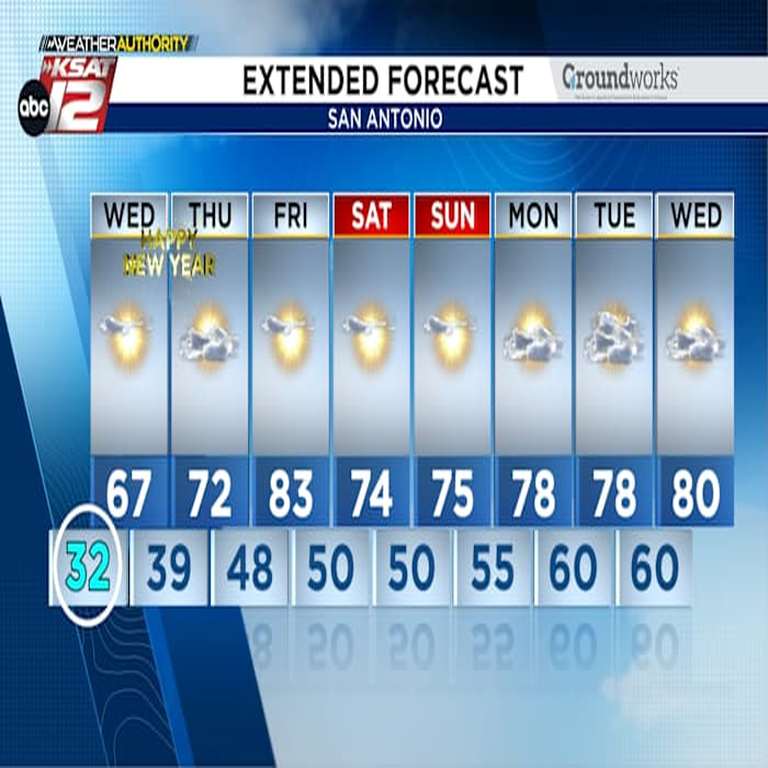
The recent light freeze forecast in various neighborhoods, while localized, can serve as a microcosm of broader climate trends that have significant geopolitical implications. The weather phenomena, including brief cold snaps followed by warming trends, are increasingly indicative of erratic climate behavior influenced by global warming. This situation is particularly relevant given the ongoing challenges nations face in adapting to climate change, which is reshaping both environmental and economic landscapes.
The light freeze expected on the last day of 2025 could lead to brief disruptions in local agriculture and outdoor activities, reflecting how weather extremes can impact food security and economic stability at both local and national levels. As different regions experience varied weather patterns, the implications for agricultural production will be felt globally. Crop yields can fluctuate dramatically based on unexpected weather events, influencing food prices and availability in interconnected markets.
Moreover, the transition from chilly conditions to unseasonably warm weather underscores the volatility that many regions are experiencing. Countries that rely on predictable climate patterns for their agricultural cycles may find themselves increasingly vulnerable to food shortages and economic instability. This unpredictability can exacerbate tensions within and between nations, particularly in regions where food insecurity is already a pressing issue.
The warming trend anticipated after the brief cold snap exemplifies the need for adaptive strategies among governments and communities. As nations grapple with the dual challenges of climate change and economic pressures, the ability to adapt to such fluctuations becomes critical. Countries with robust agricultural sectors may find opportunities to innovate and enhance resilience, while those lagging may face heightened risks of civil unrest or geopolitical tensions.
The global community must also consider the risks associated with climate-induced migration. As certain areas become less habitable due to extreme weather conditions, displacement is likely to increase. This phenomenon can lead to strained resources in receiving regions and may heighten geopolitical tensions, particularly in areas where borders are porous or where existing social strains exist.
In this context, international cooperation on climate resilience is becoming increasingly essential. Nations are beginning to recognize the importance of collective action to address the multifaceted challenges posed by climate change. Collaborative efforts can lead to shared technologies, strategies, and resources that mitigate the impacts of erratic weather patterns and promote sustainability.
That said, the reality is a bit more complicated. the path towards such cooperation is fraught with challenges. National interests often take precedence, and disparities in resources and capabilities can lead to friction between nations. The need for equitable solutions is paramount, yet historically, climate negotiations have often been complicated by competing interests and geopolitical rivalries.
So where does that leave things? while a light freeze may seem like a trivial weather event, it serves as a reminder of the larger climate dynamics at play. The implications of changing weather patterns extend far beyond immediate local effects, influencing global stability, economic conditions, and international relations. Understanding these connections is essential for policymakers and global leaders as they navigate the complexities of our changing climate.
Editor's note: This article was independently written by the Scoopliner Editorial Team using publicly available information.