Libya's Military Shakeup: Internal Instability and External Power Plays
हिंदी में सुनें
Listen to this article in Hindi
The death of Libya's military chief in Turkey exposes vulnerabilities in Libya's security architecture and opens new avenues for foreign influence amid ongoing instability.
Libya's fragile transition continues to be defined by internal power struggles and external interference, a volatile mix exacerbated by the recent death of General Muhammad Ali Ahmad al-Haddad, the country's military chief, in a plane crash in Turkey. While the official cause points to a technical malfunction, the incident occurs against a backdrop of intense geopolitical maneuvering and raises critical questions about the future of Libya's security sector and the broader balance of power within the country. The sudden absence of a key figure in the already complicated process of military unification presents both immediate challenges and long-term strategic implications for regional stability.
Al-Haddad's role was central to the UN-brokered efforts to merge the disparate military factions that have plagued Libya since the 2011 ouster of Muammar Gaddafi. His death creates a vacuum that rival commanders and political factions will likely seek to exploit. This power vacuum threatens to unravel the progress made in unifying the armed forces, potentially triggering renewed clashes and further fragmenting the country's security apparatus. The timing is particularly sensitive, as Libya continues to grapple with the presence of numerous armed groups, including those with allegiances to foreign powers. The struggle for succession will likely intensify existing rivalries, hindering the establishment of a cohesive and unified national army – a crucial step toward lasting stability. Understanding the global position of the US as it grapples with influence in the region is critical.
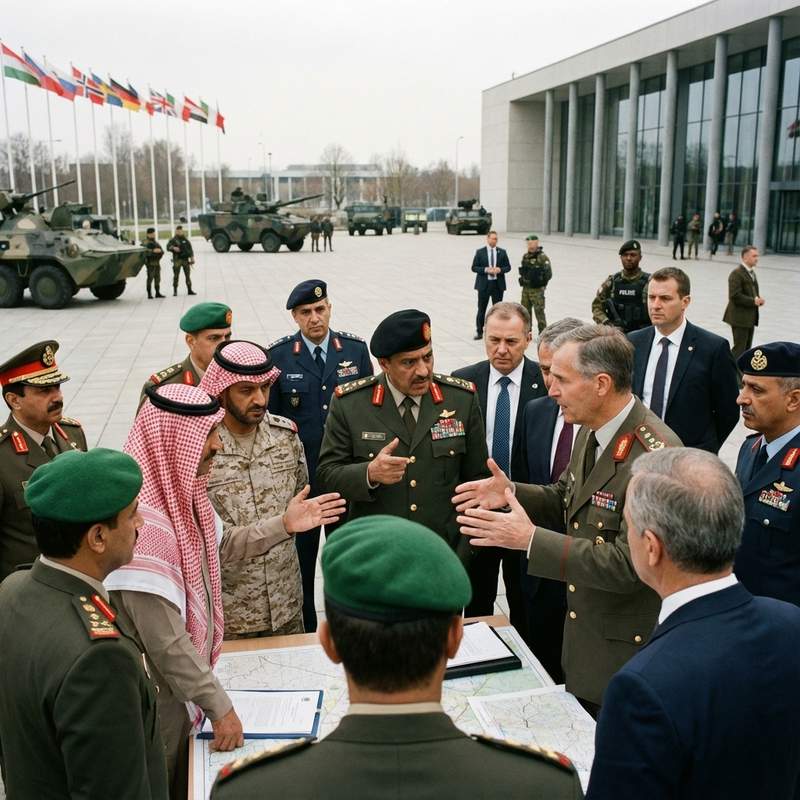
Beyond the immediate impact on military unification, al-Haddad's death also shines a spotlight on the significant influence that external actors, particularly Turkey, wield within Libya. The fact that the Libyan military chief was in Ankara for defense talks underscores the depth of the security relationship between the two countries. Turkey's continued military presence in Libya, authorized by a parliamentary extension just days before the crash, remains a contentious issue. While Ankara maintains that its presence is aimed at supporting the internationally recognized government in Tripoli, critics argue that it fuels the conflict and undermines Libyan sovereignty. The incident is now poised to test the strength and durability of Turkey's relationship with the Dbeibah government. Should a weaker, less aligned figure emerge as al-Haddad's replacement, Ankara's strategic foothold in the region could be jeopardized.
The broader geopolitical context is equally important. Libya's instability has far-reaching consequences for the wider Mediterranean region and Europe. The country serves as a major transit point for irregular migration, and its security vacuum has allowed terrorist groups to flourish. A resurgence of conflict in Libya could exacerbate these challenges, leading to increased migration flows and heightened security risks for neighboring countries. European nations, particularly Italy and France, have a vested interest in promoting stability in Libya, but their competing interests and lack of a unified approach have often hampered their efforts. Understanding world affairs background is critical to understanding the context of the region.
That said, the reality is a bit more complicated. there are uncertainties. The Libyan political landscape is notoriously unpredictable, and it is difficult to foresee how the various actors will react to al-Haddad's death. The UN-led efforts to mediate a political settlement remain fragile, and any renewed conflict could derail the process. Moreover, the effectiveness of Turkey's influence in Libya will depend on its ability to navigate the complex web of local alliances and rivalries. Ultimately, the future of Libya hinges on the ability of its leaders to overcome their divisions and forge a consensus on a path toward lasting peace and stability.
The death of Libya's military chief serves as a stark reminder of the country's ongoing fragility and the complex interplay of internal and external factors that shape its destiny. While the immediate focus will be on filling the leadership void and preventing a resurgence of conflict, the long-term challenge lies in addressing the underlying causes of instability and building a more inclusive and resilient political system. Only then can Libya hope to escape the cycle of violence and achieve its full potential. Readers can better understand topic basics for readers as they unpack the complexities of the region.
Editor’s note: This article was independently written by the Scoopliner Editorial Team using publicly available information.