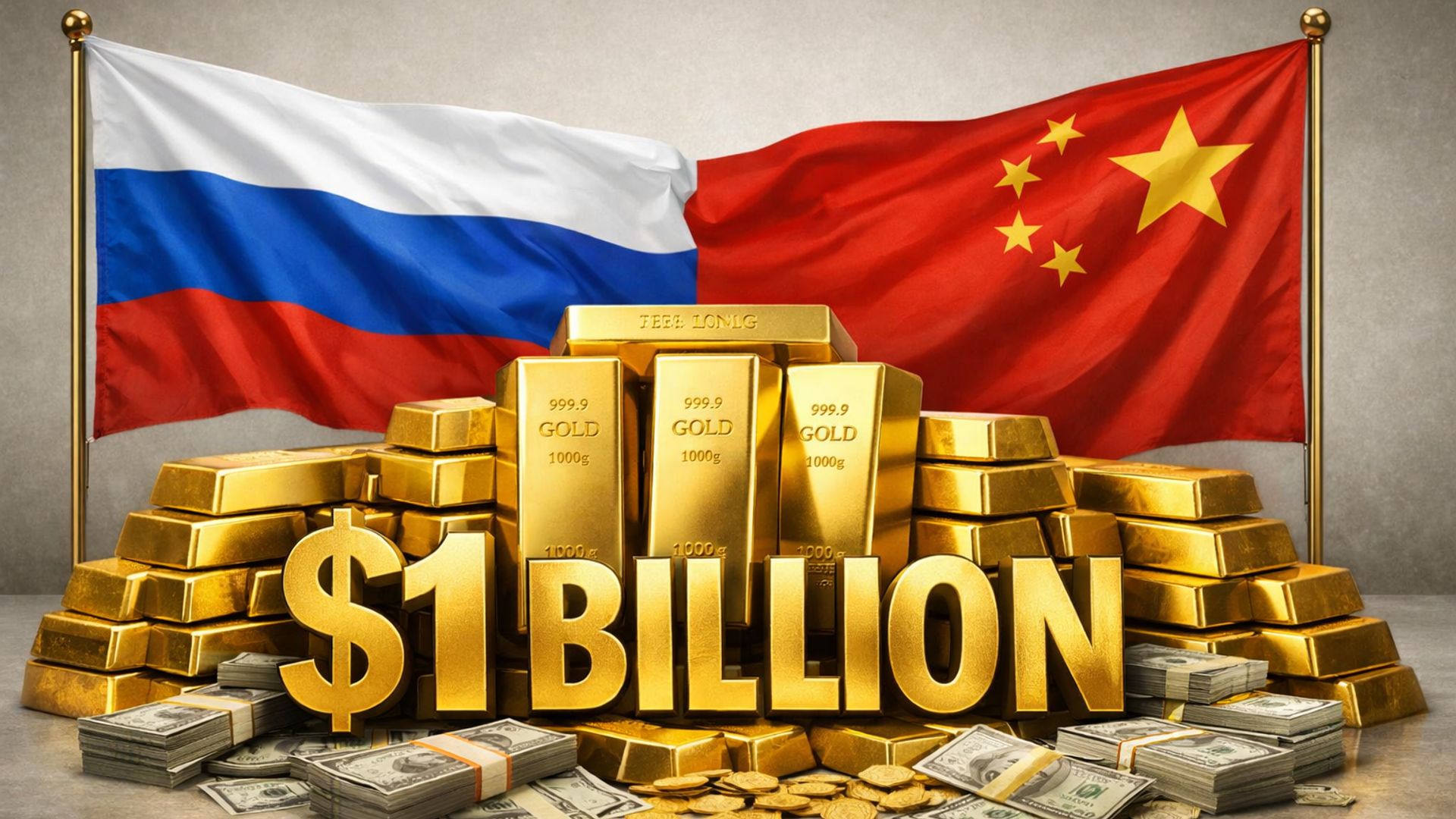
Gold's Shifting Sands: How Geopolitical Currents Influence India's Investment Landscape
हिंदी में सुनें
Listen to this article in Hindi
Examines how evolving global gold trade patterns, influenced by geopolitical factors, impact investment strategies and market dynamics in India.
The relentless pursuit of stability in an increasingly uncertain world is reshaping the global gold market. While gold has always been viewed as a safe haven asset, recent shifts in international trade flows underscore its strategic importance, particularly for a nation like India, where gold holds a unique cultural and economic significance.
The core issue isn't simply the fluctuation of gold prices; it's the *reason* behind those fluctuations. Geopolitical tensions, deglobalization trends, and the search for alternative reserve assets are all contributing to a recalibration of global trade routes. This, in turn, directly affects the price discovery mechanism for gold and, consequently, impacts Indian investors. The implications extend beyond simple price movements, influencing currency dynamics, inflation expectations, and the overall risk appetite in the Indian market.
India's deep-rooted connection with gold means that any significant disruption to the global gold supply chain has a ripple effect. The country is a major consumer, and fluctuations in global supply, driven by factors like shifting trade partnerships or central bank policies elsewhere, invariably impact domestic prices. Higher gold prices can contribute to inflationary pressures, potentially prompting the Reserve Bank of India (RBI) to adjust its monetary policy. Investors should understand the link between global trade patterns, RBI policy and interest-rate explainer, and domestic inflation to make informed decisions.
Furthermore, the behavior of major players in the gold market can significantly influence investor sentiment in India. A perceived increase in global risk, manifested through large-scale gold purchases by other nations, can drive Indian investors towards gold as a hedge against uncertainty. This increased demand can further support prices, potentially outperforming other asset classes in the short to medium term. The Indian stock market, in particular, may experience volatility as investors reallocate capital between equities and gold depending on the perceived level of global risk. Understanding the Indian economy and market structure context is crucial for navigating these shifts.
That said, the reality is a bit more complicated. it's essential to acknowledge the limitations. While geopolitical factors are a significant driver, other elements, such as fluctuations in the US dollar and changes in interest rates, also play a role in shaping gold prices. The Indian government's import policies and domestic gold production also influence the supply and demand dynamics within the country. Moreover, the gold market is not immune to speculative activity, which can introduce short-term volatility that may not be directly linked to fundamental factors.
So where does that leave things? the shifting sands of the global gold market, propelled by geopolitical currents, present both opportunities and challenges for Indian investors. While gold remains a valuable asset for diversification and hedging against risk, understanding the underlying drivers of price movements and the interplay between global events and domestic market dynamics is paramount. A nuanced approach that considers the broader economic context and the potential for both upside and downside risks is crucial for navigating this complex landscape effectively. Investors should avoid knee-jerk reactions based on short-term price fluctuations and instead focus on a long-term investment strategy aligned with their individual risk tolerance and financial goals. For those new to investing, understanding stock market basics can provide a solid foundation for making informed decisions.
Editor’s note: This article was independently written by the Scoopliner Editorial Team using publicly available information.