Kosovo's Political Landscape: The Implications of a Fragmented Parliament
हिंदी में सुनें
Listen to this article in Hindi
An analysis of Kosovo's recent elections reveals significant implications for governance and regional stability.
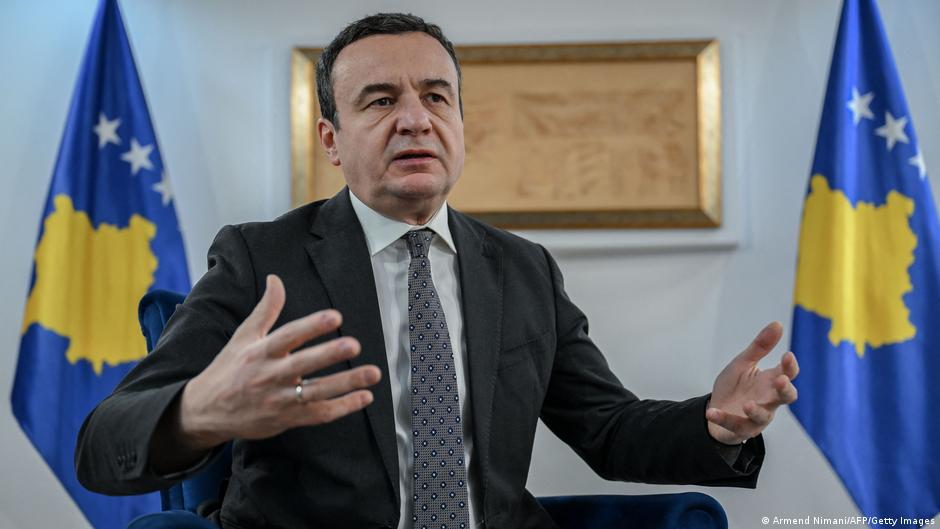
The recent parliamentary elections in Kosovo have highlighted the complexities of the region's political landscape. With acting Prime Minister Albin Kurti's Self-Determination party achieving approximately 44% of the vote, the anticipated outcome reveals a fragmented parliament that may struggle with governance. This situation is emblematic of the broader geopolitical tensions in the Balkans and underscores the challenges facing newly formed governments in post-conflict societies.
As a result of Kurti's party falling short of an outright majority, the formation of a stable government is now in jeopardy. The implications of this electoral outcome extend beyond domestic politics. Kosovo's political paralysis is not merely a reflection of internal party dynamics; it is also influenced by the delicate relationship with Western allies and the ongoing ethnic divisions within the country. The nationalists' inability to secure a majority indicates a lack of consensus that could hinder essential reforms and economic progress.
The Democratic Party of Kosovo (PDK), under the leadership of Bedri Hamza, has emerged as a significant opposition force with nearly 27% of the vote. Their resistance to coalition-building with Kurti's party reflects deeper divisions within Kosovo's political sphere, particularly regarding strategies for managing relations with Serbia and addressing the needs of the Serb minority in the north. These divisions pose risks for future negotiations and social cohesion, further complicating Kosovo's aspirations for integration into European and transatlantic structures.
Moreover, the political uncertainty in Kosovo has the potential to affect regional stability. Neighboring countries, particularly Serbia, may view this fragmentation as an opportunity to reassert influence or disrupt the status quo in the Balkans. The interplay between local governance issues and external pressures from regional actors and EU integration processes presents a challenging environment for Kosovo’s leadership.
The electoral outcome also raises questions about Kurti's reform agenda, which has yielded mixed results since he took office in 2021. Without a stable parliamentary majority, the implementation of significant reforms will likely face hurdles, impacting economic development and social programs. This stagnation could further alienate the electorate, leading to disillusionment with the political process and heightened tensions among various ethnic groups.
In a broader context, Kosovo's situation serves as a litmus test for the efficacy of democratic governance in post-conflict environments. It raises critical questions about the viability of democratic institutions when faced with entrenched party loyalties and societal divisions. The challenges presented by this election will test the resilience of Kosovo's political structures and could redefine the landscape of coalition politics in the region.
Ultimately, as Kosovo navigates its current political impasse, the international community will be keenly observing how the government is formed and whether it can effectively address both internal and external challenges. The stakes are high not only for Kosovo but for the stability of the entire Balkan region, which remains susceptible to historical grievances and political volatility. Ensuring a functional government in Kosovo will be crucial for its development trajectory and its aspirations for greater integration into regional and global frameworks.
Editor's note: This article was independently written by the Scoopliner Editorial Team using publicly available information.