The Passing of Khaleda Zia: Implications for Bangladesh's Political Landscape
हिंदी में सुनें
Listen to this article in Hindi
Analyzing the implications of Khaleda Zia's death for Bangladesh's political landscape and regional dynamics.
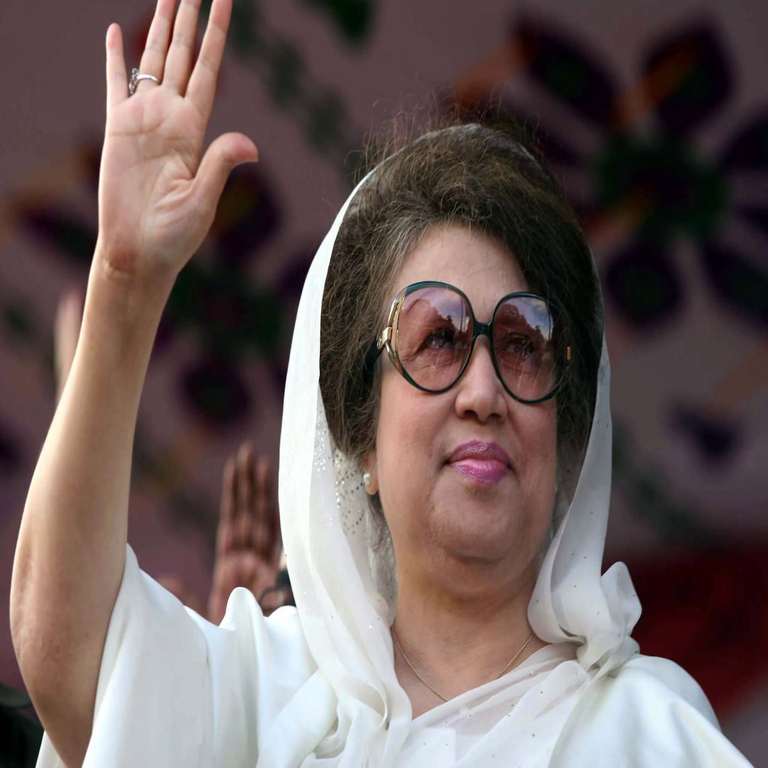
Khaleda Zia's death marks a significant moment in Bangladesh's political history, particularly given her role as the first female prime minister of the country. Her political journey, characterized by both resilience and controversy, reflects broader trends within South Asian governance and the evolving role of women in leadership positions. The implications of her passing extend beyond personal loss, resonating through Bangladesh's political fabric and potentially influencing regional dynamics.
The timing of Zia's death raises questions about the future of the Bangladesh Nationalist Party (BNP), which she led for decades. The BNP has historically been a principal opposition party, often at odds with the ruling Awami League. Zia's leadership style and political strategies were integral in shaping the party's identity and its responses to the Awami League's policies. Her absence may create a leadership vacuum that could either destabilize the BNP or prompt a reevaluation of its strategies in the face of ongoing political challenges.
Furthermore, Zia's demise occurs within a context of heightened political polarization in Bangladesh. The rivalry between the BNP and the Awami League has often manifested in violent confrontations and civil unrest. As the BNP grapples with internal leadership dynamics, the potential for increased political instability looms. This could provoke reactions from both domestic and international stakeholders, particularly those concerned with human rights and democratic governance in the region.
Regionally, Bangladesh's political landscape is crucial given its strategic location between India and Myanmar. The dynamics of power within Bangladesh could influence bilateral relations with these neighboring countries, particularly in matters such as trade, migration, and security. India, which has vested interests in a stable and friendly government in Dhaka, may closely monitor the political developments following Zia's death to gauge potential shifts in governance that could affect its regional strategy.
The geopolitical implications extend beyond South Asia. The rise of populist and nationalist sentiments in various parts of the world has raised questions about democratic resilience. Khaleda Zia's political career, fraught with challenges and triumphs, can serve as a case study for other nations navigating similar pathways. The international community may look toward Bangladesh as a litmus test for the health of democracy in turbulent times.
That said, the reality is a bit more complicated. potential leadership changes within the BNP could also reshape party ideologies and alliances. Future leaders may seek to distance themselves from Zia's legacy, either to establish a new identity or to appeal to a broader electorate. This transition could lead to a reevaluation of policies, particularly those related to economic development, social justice, and foreign relations.
So where does that leave things? Khaleda Zia's death is not merely a personal loss; it is a pivotal moment that may redefine Bangladesh's political trajectory. The challenges of leadership succession, party cohesion, and the broader implications for regional stability underscore the significance of this development. While the future remains uncertain, the interplay of domestic and international factors will likely shape the response to Zia's passing in both immediate and long-term contexts.
Editor's note: This article was independently written by the Scoopliner Editorial Team using publicly available information.