Ecological Strain Exacerbates Governance Challenges in East Africa
हिंदी में सुनें
Listen to this article in Hindi
Escalating human-wildlife conflict in Kenya highlights the broader impact of climate change on governance and resource management in East Africa.
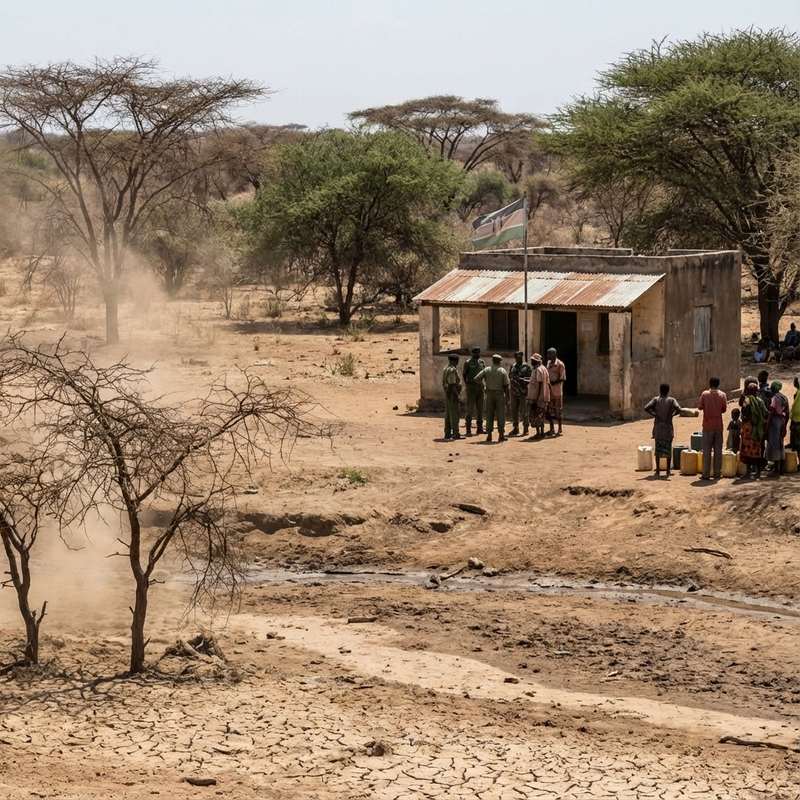
East Africa faces a confluence of environmental and governance pressures that are increasingly destabilizing established systems. While often viewed through the lens of political instability or economic development, the region's ecological fragility is becoming a critical factor shaping state capacity and social cohesion. Recent incidents in Kenya, where escalating human-wildlife conflict has resulted in fatalities and retaliatory actions, exemplify this trend. These events are not isolated incidents; they are symptomatic of deeper systemic challenges linked to climate change, resource scarcity, and the ability of governments to effectively manage competing needs.
The immediate trigger for the conflict is often framed as competition for dwindling resources. Below-average rainfall, a recurring phenomenon attributed to climate variability, reduces vegetation cover and forces wildlife, particularly elephants, into areas populated by humans. This intrusion leads to crop destruction, property damage, and, tragically, loss of life. That said, the reality is a bit more complicated. attributing the conflict solely to environmental factors overlooks the crucial role of governance. Effective land management policies, robust compensation mechanisms, and proactive wildlife management strategies are essential to mitigating these risks. The Kenyan government's existing compensation program, while intended to address the aftermath of such incidents, appears insufficient to prevent them or to fully alleviate the grievances of affected communities. The perception of inadequate government response can erode trust and fuel further conflict.
The implications of this situation extend beyond Kenya's borders. East Africa is a region heavily reliant on agriculture, and climate-induced resource scarcity poses a significant threat to food security and livelihoods. As competition for land and water intensifies, existing ethnic and political tensions can be exacerbated, potentially leading to broader instability. Furthermore, the increasing frequency of human-wildlife conflict can negatively impact tourism, a vital source of revenue for many East African nations. The protection of wildlife, often presented as a conservation imperative, is intrinsically linked to economic stability and social well-being. Failure to effectively manage this complex interplay can have cascading effects, undermining development gains and potentially fueling displacement and migration.
Addressing these challenges requires a multi-faceted approach that integrates environmental sustainability, improved governance, and community engagement. Investments in climate resilience, such as drought-resistant agriculture and water conservation projects, are crucial for mitigating the impact of climate change. Strengthening land-use planning and promoting sustainable land management practices can help to reduce competition for resources. Furthermore, empowering local communities to participate in wildlife management and conservation efforts can foster a sense of ownership and responsibility, leading to more effective and sustainable solutions. The success of these strategies hinges on the ability of governments to build trust with local populations, ensure equitable resource allocation, and enforce regulations effectively. The role of international organizations and donor countries is also critical in providing financial and technical assistance to support these efforts. These organizations can provide expertise in areas such as climate adaptation, wildlife management, and conflict resolution, and can help to mobilize resources to support sustainable development initiatives. The effectiveness of these interventions will depend on their ability to address the underlying drivers of conflict and to promote inclusive and participatory approaches to resource management. Looking at the broader context of world affairs, understanding the importance of national parks, and protected land can help with preservation and conservation efforts.
That said, the reality is a bit more complicated. significant uncertainties and constraints remain. Climate change is projected to further exacerbate resource scarcity in East Africa, making it increasingly difficult to balance the needs of humans and wildlife. Limited financial resources and institutional capacity can hinder the implementation of effective policies and programs. Political instability and corruption can undermine governance efforts and divert resources away from critical areas. Despite these challenges, addressing the root causes of human-wildlife conflict and promoting sustainable resource management is essential for ensuring the long-term stability and prosperity of East Africa. Failing to do so risks further destabilizing the region and undermining development gains. As India's global position continues to evolve, its role in international development within East Africa will be important to monitor in coming years.
Ultimately, the events in Kenya serve as a microcosm of the broader challenges facing East Africa and other regions grappling with the impacts of climate change. The ability to effectively manage competing demands on resources, strengthen governance structures, and foster community resilience will be crucial for navigating these complex and interconnected challenges. The future stability of the region depends on it.
Editor’s note: This article was independently written by the Scoopliner Editorial Team using publicly available information.