Sweeping Changes to Childhood Vaccine Recommendations Expected Under Kennedy
हिंदी में सुनें
Listen to this article in Hindi
Health Secretary RFK Jr. is anticipated to announce a revised childhood vaccine schedule with fewer shots, aligning the US with countries like Denmark, sparking debate.
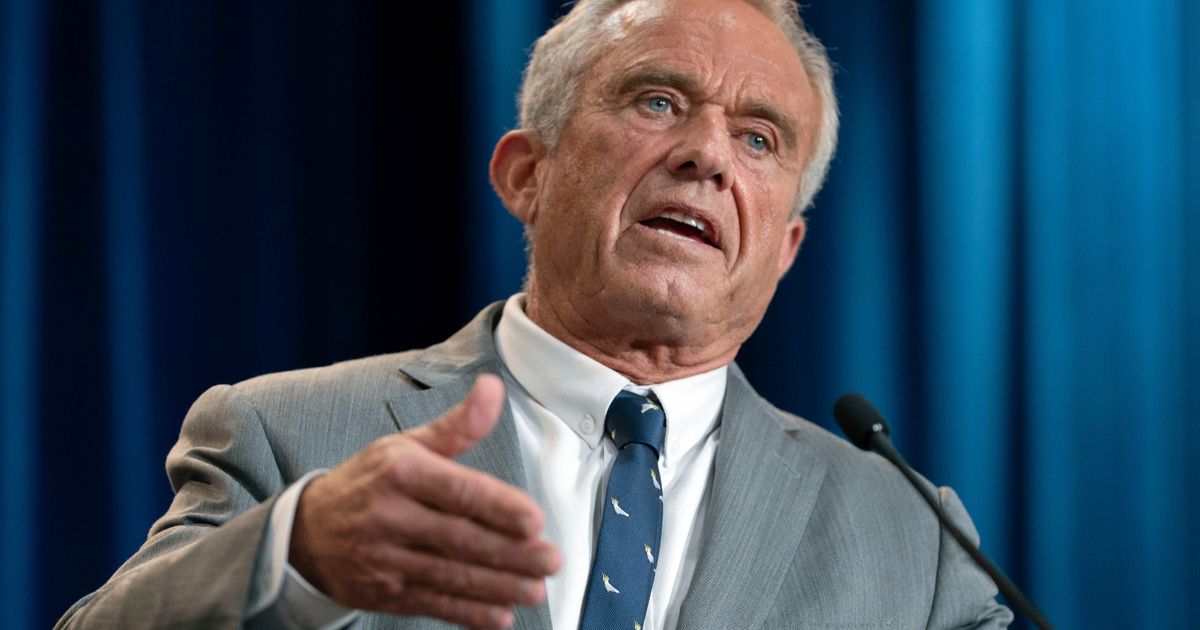
A significant shift in the nation's childhood vaccination protocols is on the horizon, with Health Secretary Robert F. Kennedy Jr. poised to unveil a revised schedule advocating for fewer immunizations for American children. This move, anticipated in the new year, comes after a year of preliminary adjustments by Kennedy and his team, fueled by a directive from President Trump.
The forthcoming alterations aim to bring the U.S. more in line with countries such as Denmark, which employs a less extensive immunization program. That said, the reality is a bit more complicated. this wholesale revision is raising concerns, as it potentially circumvents the established, evidence-based processes that have guided vaccine recommendations in the United States for decades.
One key worry revolves around insurance coverage. A revised schedule could impact whether private insurers and government programs continue to cover all currently recommended vaccines. Moreover, a weakening of official endorsements for certain vaccines could create financial and logistical obstacles for parents seeking to obtain them.
This, in turn, could further erode public confidence in immunizations, potentially leading to a resurgence of preventable diseases. Already, states are grappling with outbreaks of measles and whooping cough, linked to declining vaccination rates.
Another concern involves liability protection for vaccine manufacturers. Experts caution that without guarantees shielding them from lawsuits related to alleged harm, these companies might withdraw from the American market, mirroring a situation that occurred before such safeguards were put in place during the 1980s. The question of whether the revised schedule maintains these protections remains open.
President Trump's directive urged Kennedy to harmonize U.S. childhood vaccine guidelines with those of comparable developed nations, asserting that the United States recommends an unusually high number of vaccinations. He specifically cited Denmark, Germany, and Japan as examples of countries with less comprehensive immunization schedules.
The presidential directive also stipulated that the changes should preserve access to all vaccines currently available in the U.S., leading some experts to believe that parents who wish to adhere to the existing schedule may still be able to do so in consultation with their healthcare providers. That said, the reality is a bit more complicated. even partial adoption of a less comprehensive schedule is projected to result in a greater incidence of infectious diseases, according to medical professionals.
Dr. Sean O'Leary, who chairs the infectious disease committee for the American Academy of Pediatrics, voiced strong opposition, stating that the changes would inevitably lead to increased suffering and fatalities. As of press time, the Department of Health and Human Services has not released a statement regarding the impending revisions.
In summary, the proposed changes to the childhood vaccination schedule have ignited debate within the medical community and raise questions about access, public health, and the future of vaccine availability in the United States.