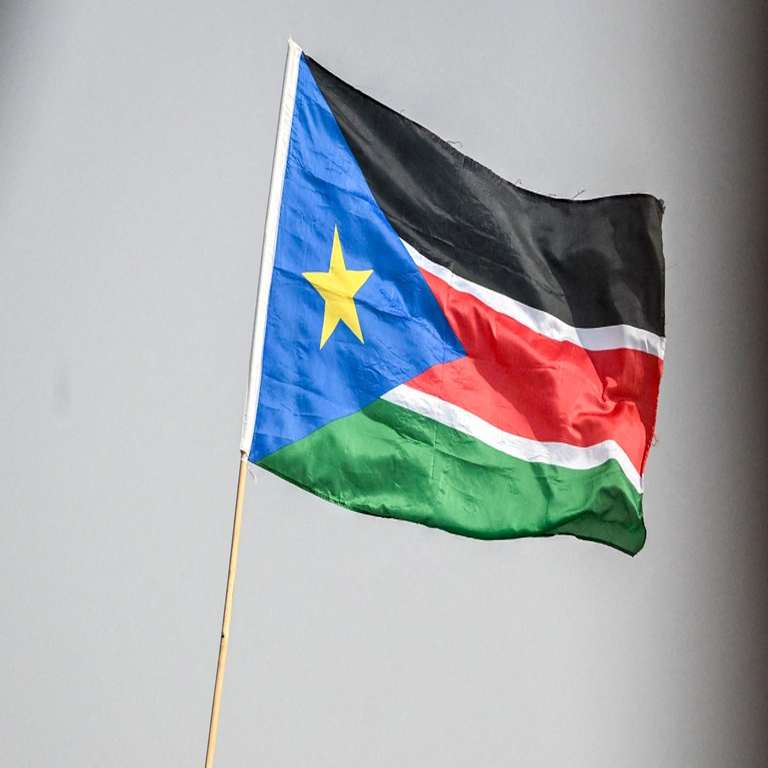
The Implications of Temporary Protected Status for South Sudanese Immigrants in the U.S.
हिंदी में सुनें
Listen to this article in Hindi
Examining the geopolitical significance of the U.S. court's temporary ban on the termination of TPS for South Sudanese nationals amid ongoing conflicts.
The recent judicial decision to temporarily bar the termination of Temporary Protected Status (TPS) for South Sudanese immigrants highlights broader geopolitical themes surrounding migration, ethnic diversity, and international humanitarian obligations. In a world increasingly shaped by displacement caused by conflict and natural disasters, the U.S. role as a refuge for those fleeing instability remains a critical point of analysis.
The TPS program was established to provide legal residency to foreign nationals from countries experiencing dire conditions. For South Sudan, a nation marked by protracted conflict and humanitarian crises since its independence in 2011, TPS serves as a lifeline for approximately 300 individuals currently residing in the U.S. This situation is emblematic of the complex interplay between domestic policy and international realities, particularly for nations grappling with the ramifications of civil strife.
As the U.S. grapples with its immigration policies, the implications extend beyond individual experiences to signal its broader geopolitical stance. The decision to maintain TPS for South Sudanese nationals comes at a time when international scrutiny over U.S. immigration practices is mounting. The tension between humanitarian commitments and national security interests creates a challenging landscape for policymakers.
Moreover, the discourse surrounding the TPS termination reflects underlying racial and ethnic dynamics within the U.S. immigration system. The legal arguments posited by civil rights groups suggest that changes to TPS may not only be driven by foreign policy considerations but also by domestic political motives to reshape the demographic composition of immigrants in the U.S. Such considerations raise critical ethical questions about the nature of asylum and refuge in a global context.
The broader implications of this judicial decision also resonate within the East African region, where stability remains tenuous. South Sudan continues to face significant challenges, including governance issues and socio-economic instability. The assertion of improved conditions in South Sudan, as mentioned by U.S. officials, lacks robust empirical support, further complicating the narrative around repatriation and the safety of returning migrants.
In light of these complexities, the judicial ruling serves as a temporary reprieve for South Sudanese nationals but also highlights the uncertainty surrounding U.S. immigration policy. The interplay between judicial authority and executive power in immigration matters raises questions about the future of TPS and the protection of vulnerable populations.
The decision may also set a precedent for similar cases involving other immigrant groups facing potential TPS terminations. As the U.S. judicial system navigates these cases, the outcomes could have far-reaching implications for the treatment of migrants from various conflict-affected regions.
Ultimately, this situation encapsulates the inherent tensions between humanitarian obligations and geopolitical considerations. The fate of TPS for South Sudanese immigrants is not merely a legal issue; it reflects broader global challenges of migration, displacement, and the responsibilities of nations in a rapidly changing world order.
Editor's note: This article was independently written by the Scoopliner Editorial Team using publicly available information.