Nature's Intrusion: The Broader Implications of Japan's Bear Encounter Surge
हिंदी में सुनें
Listen to this article in Hindi
Exploring the implications of Japan's unprecedented bear encounters on local communities and tourism.
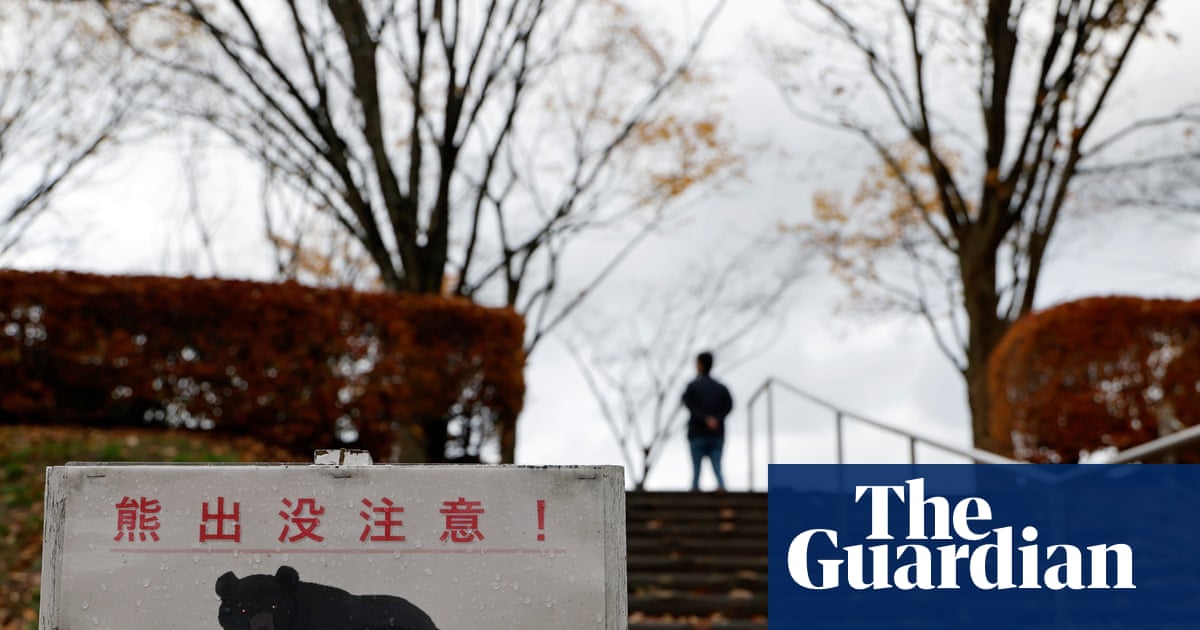
The recent surge in bear encounters in Japan, particularly in the town of Osaki, reflects a complex interplay between human activity and wildlife behavior, raising significant questions about the ecological balance and community safety. As a country known for its harmonious relationship with nature, these events mark a pivotal moment in Japan's interaction with its wildlife, revealing deeper environmental and socio-economic implications.
The increase in bear sightings, reported at 400 this year compared to fewer than 100 in 2024, is indicative of broader ecological changes. Factors such as habitat loss, climate change, and declining food sources are pushing wildlife closer to urban areas, creating a landscape where human-wildlife interactions are becoming more frequent and problematic. This trend is not isolated to Japan; it mirrors global patterns where urban encroachment and environmental degradation are leading to increased wildlife encounters.
In Osaki, the bear encounters have not only heightened safety concerns but have also adversely impacted tourism, a crucial economic driver for the region. Local ryokan inns report cancellations, and tourist numbers have dipped, as visitors express hesitation about exploring the natural beauty of the area amidst fears of bear attacks. This economic strain on local businesses underscores the interconnectedness of wildlife management and economic stability in rural communities.
The implications of these bear encounters extend beyond immediate safety concerns. They challenge local governance and resource management strategies, as authorities must balance the protection of wildlife with public safety. The town's rural environment development division faces the dual challenge of mitigating human-bear conflicts while ensuring that conservation efforts do not compromise community welfare.
Moreover, the psychological toll on residents, described as 'bear fatigue,' presents a unique social dynamic. Continuous media coverage has exacerbated anxiety, leading to a climate of fear that may alter community behaviors and interactions with the natural environment. This phenomenon raises questions about public perception of wildlife and the long-term cultural implications for communities historically accustomed to coexisting with nature.
As Japan grapples with these challenges, it must also consider the global context of biodiversity loss and climate change. The country's approach to wildlife management may serve as a case study for other nations facing similar issues. Effective strategies that prioritize both ecological preservation and human safety could offer valuable insights in addressing global wildlife challenges.
So where does that leave things? the spike in bear encounters in Japan exemplifies the delicate balance between human development and ecological integrity. The situation in Osaki reflects broader trends that signal the need for adaptive management strategies that encompass community engagement, economic resilience, and environmental stewardship. As the world watches, Japan's response to this challenge may provide important lessons in navigating the complexities of human-wildlife interactions in the 21st century.
Editor's note: This article was independently written by the Scoopliner Editorial Team using publicly available information.