Japan's Gender Representation and Institutional Infrastructure: A Subtle Shift in the Political Landscape
हिंदी में सुनें
Listen to this article in Hindi
Examining Japan's push for more female toilets in parliament amidst rising female representation, revealing broader implications for gender equality.
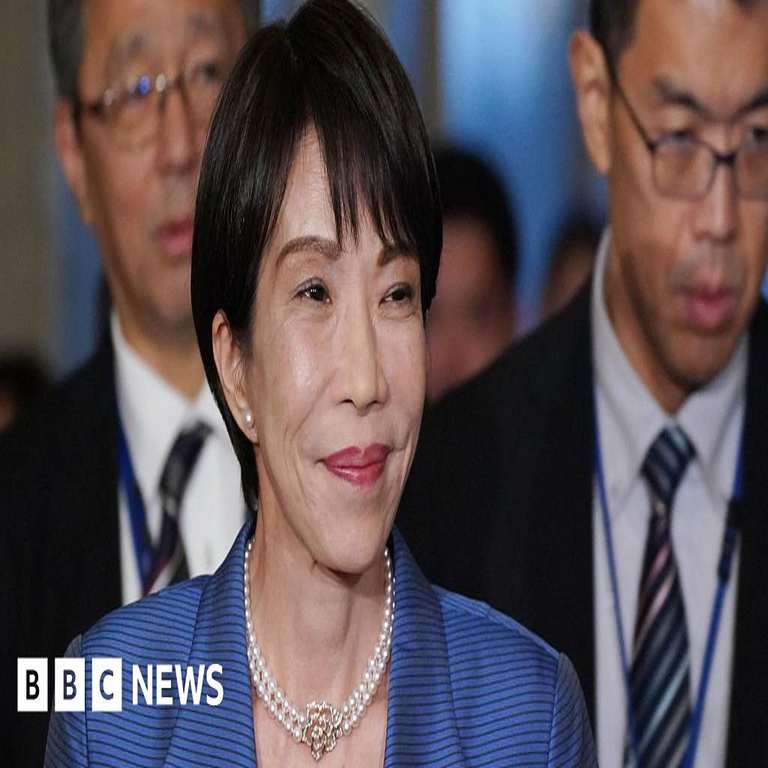
In recent years, Japan has faced growing scrutiny regarding its gender equality measures, particularly within the political sphere. As the nation strives to enhance its international standing and align with global standards of gender representation, the infrastructure within its parliamentary system comes under increasing examination. The recent petition led by 60 female lawmakers, including Prime Minister Sanae Takaichi, for more women’s toilets in Japan's parliament building is emblematic of this broader challenge.
The significance of this development lies not solely in the immediate issue of restroom accessibility but in its reflection of Japan's evolving political landscape. With a record number of 73 women elected to the Lower House in October 2024, surpassing previous milestones, the momentum for gender representation is palpable. Historically, Japan has been slow to embrace gender diversity in leadership roles, often ranking low among developed nations in terms of female participation in politics. As the nation works towards a target of 30% representation, the structural inadequacies, such as insufficient female restroom facilities, expose the gaps between policy promises and practical realities.
The request for more women’s toilets is a microcosm of the larger discourse on gender equality in Japan. It accentuates an institutional lag that reflects the broader societal attitudes towards women's roles in governance. The current distribution of toilets—nine for women compared to twelve for men—highlights a disparity that extends beyond mere convenience; it underscores a lack of prioritization of women's needs in legislative spaces. This disparity is particularly striking given that the parliament building, constructed in 1936, predates women's suffrage in Japan.
Geopolitically, Japan's push for enhanced gender representation dovetails with its strategic objectives to bolster its global standing. As nations increasingly recognize the value of diversity in governance as a driver for innovation and resilience, Japan's efforts to improve its female representation could serve as a catalyst for broader social reforms. Such changes may position Japan more favorably in international partnerships, particularly with countries that emphasize gender equality as a cornerstone of their diplomatic agendas.
The growing representation of women in Japan's parliament, albeit still a minority, reflects changing societal norms and an evolving political climate. As female lawmakers articulate their experiences, such as the inconvenience of long restroom queues, they are not merely addressing a logistical issue but are also challenging the status quo. This push for practical changes within the parliament signals a desire for a more inclusive decision-making environment, which could resonate with the electorate and increase public support for gender equality initiatives.
That said, the reality is a bit more complicated. the initiative is not without its limits and uncertainties. The willingness of the administration to accommodate these requests will be crucial in determining the potential for meaningful reform. While the chair of the Lower House committee has expressed openness to the proposal, the actual implementation of changes may be hampered by bureaucratic processes or resistance from traditionalist factions within the government.
The implications of this movement extend beyond the realm of gender equality; they reflect a broader struggle within Japanese society to reconcile its historical legacies with contemporary expectations. As Japan navigates these challenges, the success or failure of such initiatives may have lasting effects on public trust in political institutions and women's engagement in politics.
So where does that leave things? Japan's advocacy for more female toilets in parliament serves as a significant indicator of the evolving dynamics of gender representation in governance. As the nation grapples with its past and seeks to forge a more equitable future, the outcomes of these efforts will be pivotal in shaping not only the political landscape of Japan but also its position within the global discourse on gender equality.
Editor's note: This article was independently written by the Scoopliner Editorial Team using publicly available information.