Geopolitical Implications of Aid Restrictions in Gaza
हिंदी में सुनें
Listen to this article in Hindi
Examining the geopolitical significance of Israel's new aid restrictions in Gaza amid a worsening humanitarian crisis.
In the complex geopolitical landscape of the Middle East, the newly imposed restrictions on humanitarian organizations operating in Gaza underscore a critical juncture in the region's humanitarian and political discourse. Israel's decision to suspend the operations of several international aid groups comes amidst a backdrop of ongoing conflict, humanitarian need, and geopolitical instability. The interplay of security concerns, humanitarian imperatives, and international diplomatic pressures shapes this scenario, which demands a nuanced understanding of its implications.
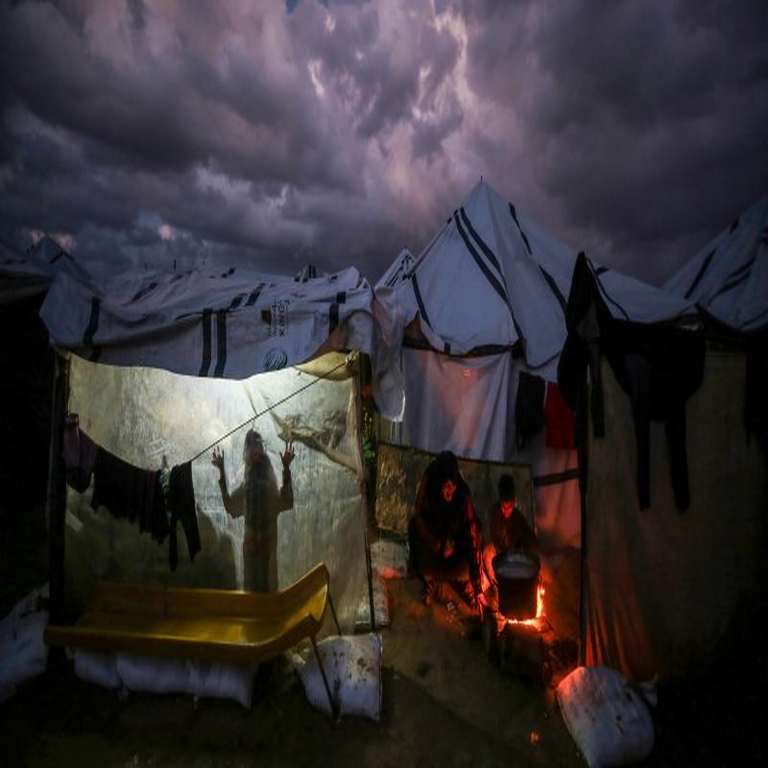
The humanitarian crisis in Gaza has reached alarming levels, exacerbated by a combination of prolonged conflict, economic blockade, and recent weather-related disasters. As winter sets in, the dire conditions have intensified, with heavy rainfall and plummeting temperatures leading to further hardship for the civilian population. This context amplifies the significance of Israel's decision, as the suspension of aid groups could lead to a further deterioration of living conditions, impacting the health and safety of vulnerable populations.
The geopolitical ramifications of Israel's actions extend beyond the immediate humanitarian landscape. The restrictions on aid groups are framed by Israel's security concerns, particularly the need to ensure that humanitarian assistance does not inadvertently support Hamas, which governs Gaza. This raises questions about the balance between security and humanitarian needs—a central tension in Israeli-Palestinian relations that reverberates through international diplomacy.
International responses from multiple countries highlight a growing concern over the humanitarian implications of these restrictions. The collective statement from ten nations underscores a unified apprehension about the deteriorating situation in Gaza. That said, the reality is a bit more complicated. the effectiveness of such diplomatic efforts remains uncertain, as the complexities of regional politics and entrenched positions often hinder coordinated action.
In addition to the immediate humanitarian implications, this situation also reflects broader regional dynamics. The suspension of aid operations may affect perceptions of Israel among neighboring countries and international organizations, potentially leading to increased calls for intervention or support for Palestinian rights. This could further complicate Israel's diplomatic relationships, particularly with countries that prioritize humanitarian considerations.
The operational challenges faced by aid organizations in Gaza are emblematic of a larger issue in conflict zones worldwide: the intersection of humanitarian action and security concerns. Aid groups often operate under conditions of high risk, and the new registration requirements imposed by Israel raise significant concerns about the safety and operational viability of these organizations. The potential for reduced humanitarian access not only endangers lives but could also contribute to a cycle of violence and instability that affects the broader region.
Furthermore, the strategic implications of this situation are compounded by the ongoing geopolitical realignments in the Middle East. As various countries recalibrate their foreign policies in response to regional crises, the humanitarian situation in Gaza could become a focal point for international dialogue and potential intervention. The decisions made by Israel regarding aid restrictions could influence how other nations approach their foreign relations in the region, particularly as they weigh humanitarian needs against security considerations.
As the situation evolves, it remains critical to monitor the implications of these aid restrictions on the ground in Gaza and within the broader context of Middle Eastern geopolitics. The interplay of humanitarian needs, security concerns, and international diplomatic efforts will shape the future trajectory of both Gaza's recovery and regional stability. Understanding these dynamics is essential for stakeholders engaged in the complex web of Middle Eastern affairs, as they seek to navigate the challenges posed by ongoing crises and shifting alliances.
Editor's note: This article was independently written by the Scoopliner Editorial Team using publicly available information.