Escalation in Southern Lebanon Threatens Regional Stability Amidst Shifting Geopolitical Priorities
हिंदी में सुनें
Listen to this article in Hindi
Heightened tensions in Southern Lebanon risk wider conflict as Israel targets Hezbollah amidst regional power shifts and international focus on other crises.
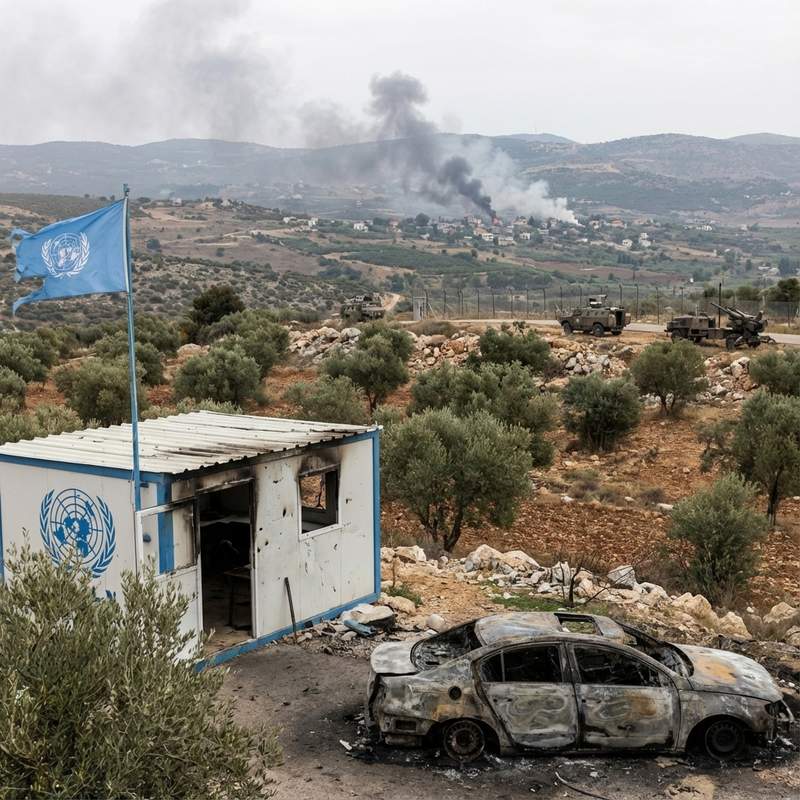
The fragile equilibrium of the Middle East faces renewed strain as escalating tensions in Southern Lebanon threaten to unravel the already precarious regional security architecture. Israel's intensified military actions against Hezbollah, coupled with an approaching deadline for the group's disarmament south of the Litani River, are unfolding against a backdrop of shifting global priorities and evolving power dynamics, raising concerns about a potential wider conflict.
The current escalation transcends the immediate Israel-Hezbollah dynamic. It is intrinsically linked to the broader geopolitical landscape, where the United States, a key player in maintaining regional stability, is increasingly preoccupied with challenges elsewhere, including Eastern Europe and the Indo-Pacific. This perceived shift in focus may embolden regional actors to pursue their strategic objectives with less constraint, potentially leading to miscalculations and unintended escalations. The United States' relationship with Israel, historically a cornerstone of its Middle East policy, is also under scrutiny, creating a complex interplay of factors influencing the current crisis.
Hezbollah's presence in Lebanon presents a multifaceted challenge. While the group is a designated terrorist organization by several Western nations, it also wields significant political and social influence within Lebanon. Its military capabilities, honed through years of conflict and regional involvement, pose a direct threat to Israel. The Lebanese state, struggling with internal political divisions and economic instability, faces an uphill battle in asserting its authority over Hezbollah, particularly in the southern regions. This power imbalance undermines the Lebanese government's ability to enforce disarmament agreements and maintain control over its territory, further fueling tensions with Israel.
The strategic implications of the ongoing conflict extend beyond the immediate region. A full-scale war between Israel and Hezbollah could destabilize Lebanon, triggering a humanitarian crisis and potentially drawing in other regional actors. Syria, with its close ties to both Hezbollah and Iran, could become further embroiled in the conflict, exacerbating the existing complexities of the Syrian civil war. Furthermore, the conflict could disrupt vital trade routes and energy supplies, impacting the global economy. The potential for a wider regional conflagration necessitates careful diplomatic efforts to de-escalate tensions and prevent a further deterioration of the security situation.
One of the critical uncertainties lies in the extent to which external actors will intervene in the conflict. While the United States has historically played a mediating role, its current focus on other global challenges may limit its ability to effectively manage the crisis. Other regional powers, such as Saudi Arabia and Iran, could also play a significant role, either through direct involvement or by supporting proxy groups. The involvement of these external actors could further complicate the conflict and escalate it beyond the control of the immediate parties involved. The possibility of economic cooperation between Lebanon and Israel, a key point of contention in recent diplomatic meetings, remains a distant prospect amidst the escalating violence.
Despite the gravity of the situation, there are also constraints on escalation. Neither Israel nor Hezbollah likely seeks a full-scale war, given the devastating consequences for both sides. Israel is wary of the potential for significant casualties and economic disruption, while Hezbollah faces limitations in its ability to sustain a prolonged conflict against a superior military force. This mutual deterrence, however, is fragile and could be undermined by miscalculations or unintended incidents. The ongoing diplomatic efforts, however limited, offer a potential avenue for de-escalation, but their success hinges on the willingness of all parties to engage in good faith and address the underlying issues driving the conflict. Understanding the complexities of India’s global position, for example, can shed light on its limited, but potentially influential, role in the broader geopolitical context of the Middle East. The background of world affairs often plays a crucial role in understanding the nuances of such events.
The unfolding events in Southern Lebanon underscore the fragility of regional stability and the interconnectedness of global security. As international attention remains divided, the potential for a wider conflict looms large, demanding a renewed focus on diplomatic engagement and conflict resolution to prevent further escalation and safeguard regional peace.
Editor’s note: This article was independently written by the Scoopliner Editorial Team using publicly available information.