Detention of PIJ Operative in Gaza: Implications for Regional Stability
हिंदी में सुनें
Listen to this article in Hindi
Analyzing the implications of the recent detention of a PIJ operative in Gaza for regional stability and Israeli-Palestinian dynamics.
The recent detention of a Palestinian Islamic Jihad (PIJ) operative in Gaza occurs within a broader context of complex geopolitical dynamics in the region. This incident underscores ongoing tensions between Israel and various militant factions in Gaza, particularly as the international community observes the fragile ceasefire established earlier this month. The operative's alleged involvement in the abduction of an Israeli soldier's remains adds another layer of complexity to an already intricate conflict, revealing the intersection of local power struggles and broader geopolitical interests.
The significance of this development is multifaceted, particularly with respect to the evolving nature of hostilities between Israel and Gaza-based groups. While the ceasefire has temporarily alleviated some immediate tensions, incidents such as this detention highlight the persistent volatility in the region. The Israeli Defense Forces' (IDF) operations on the Hamas-controlled side of the ceasefire line indicate a proactive approach to achieving security objectives, which may challenge the fragile peace established post-hostage negotiations.
This situation is further complicated by the role of Hamas, which has been accused of failing to exert control over its rival factions, particularly PIJ. The dynamics between these groups illustrate a potential rift within the Palestinian political landscape, where inter-factional rivalries may undermine any cohesive strategy to address Israel's security concerns. The Israeli government’s focus on accountability and the retrieval of remains underscores the urgency with which it is addressing these security challenges, yet it also raises questions about the efficacy of utilizing military operations to resolve such sensitive issues.
The implications of this incident extend beyond the immediate Israeli-Palestinian conflict, touching on broader regional geopolitics. The involvement of Iran, which has historically supported PIJ, complicates the calculus for Israeli security. As the IDF engages in operations targeting operatives linked to Iranian influence, the potential for escalation grows. Additionally, this detention may spark reactions from other regional players, further influencing the already delicate balance of power.
Moreover, the international community's response, particularly from mediators like Egypt, plays a crucial role in managing these tensions. With the recent ceasefire relying on delicate negotiations, any perceived aggression or unilateral actions by Israel could strain diplomatic relations and potentially lead to renewed hostilities. The credibility of mediators is thus tested as they navigate the dual challenges of appeasing Israeli security needs while advocating for humanitarian concerns in Gaza.
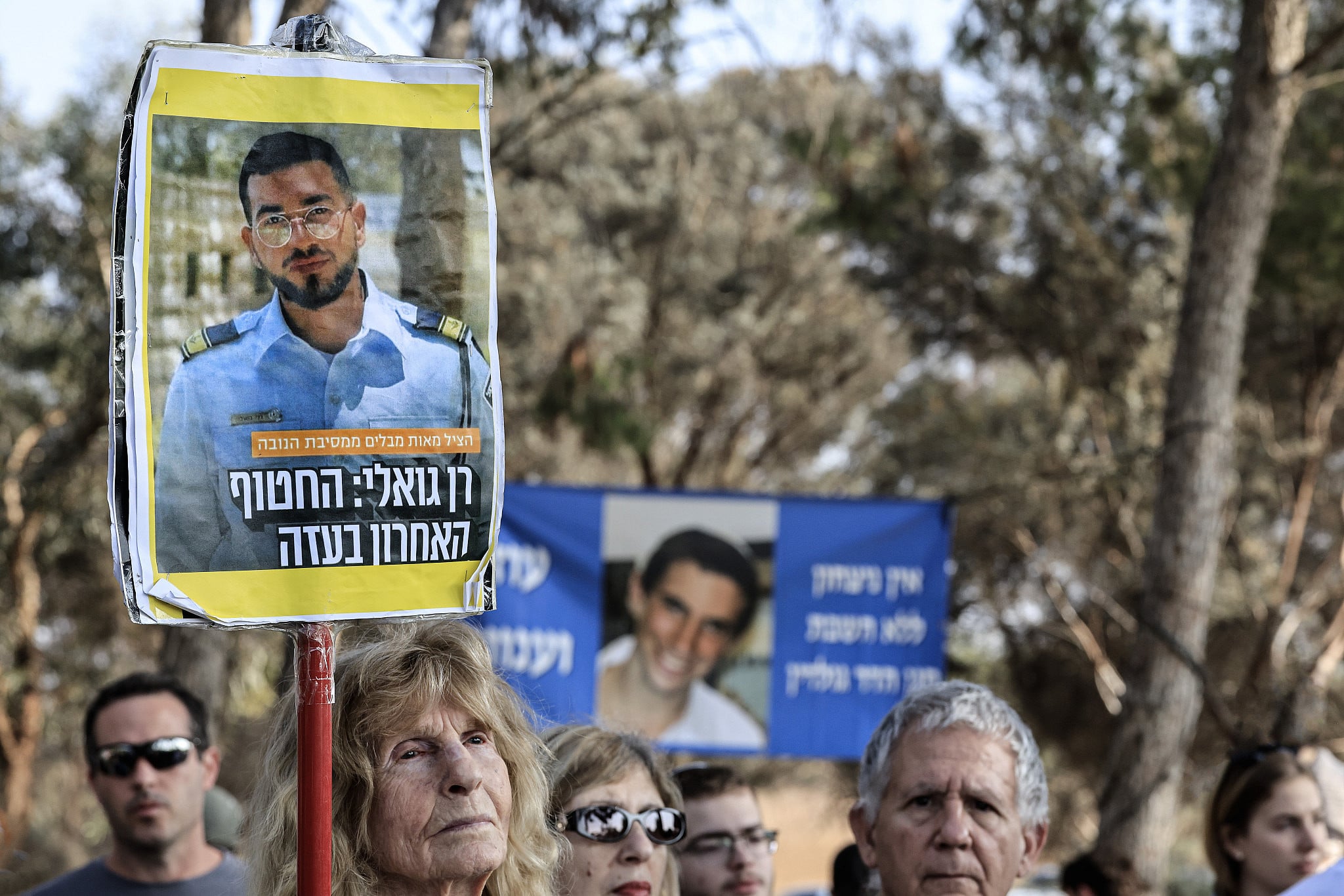
The operational challenges faced by both Israeli forces and Hamas in the search for Gvili's remains underscore the limitations inherent in such military interventions. The geographic complexities of Gaza, combined with the urban warfare environment, make it difficult to conduct effective operations without incurring significant risks. As both sides grapple with these operational realities, the potential for miscalculation increases, which could have dire consequences for regional stability.
In summary, the detention of the PIJ operative reflects not only a tactical move by Israel but also highlights the intricate web of alliances and rivalries that characterize the Israeli-Palestinian conflict. The interplay of local factionalism, regional geopolitics, and international diplomacy creates a highly volatile environment, where every action can reverberate far beyond the battlefield. Understanding these dynamics is crucial for grasping the broader implications of this incident and the continued search for long-term peace in a region fraught with historical grievances and contemporary conflicts.
Editor's note: This article was independently written by the Scoopliner Editorial Team using publicly available information.