Israel could strike Iran within the next year, senior diplomat warns
Senior European diplomat says US unlikely to greenlight action in coming weeks as Gaza rebuilding continues, while Tehran escalates and regional tensions rise in Lebanon and West Bank
Roughly six months after Operation Rising Lion against Iran, a senior European diplomat warned Monday that Israel is likely to carry out a military strike on Iran within the next 12 months.
The official said the United States is unlikely to give Israel a "green light" for a major strike in the near future, out of concern that such an operation could undermine American-led efforts to rebuild Gaza.
“I believe that this won’t happen in the coming weeks,” the envoy said. “The Americans won’t want it to overshadow the Gaza reconstruction process, and they won’t want to jeopardize that by approving a major operation against Iran right now.”
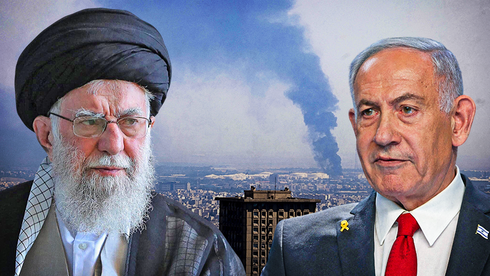
However, he added a stark warning: “Do I believe Israel will take military action in Iran within the next 12 months? Personally, yes. It’s clear that the Iranian leadership—and especially Supreme Leader Khamenei—has not drawn the right conclusions from the recent round. On the contrary, they appear to be doubling down on their efforts.”
He called the situation “dramatic and potentially tragic for Iran,” noting that the regime in Tehran already faces mounting internal crises, including severe water shortages. “That’s the real problem they should be addressing,” he said.
The diplomat added that there is growing concern within the international community—especially in Europe—that Tehran is ignoring global signals and that another round of conflict is likely in the next year. “There are efforts to prevent it, but Iran doesn’t seem to be listening,” he said.
Meanwhile, Iran continued to issue threats. On Monday morning, Islamic Revolutionary Guard Corps spokesman Ali Mohammad Naeini warned that “any new attack against us will be met with a harsher response. Iran is at the highest level of military readiness.” Referring to the June war, he claimed the recent conflict “exposed the enemy’s weaknesses.”
The European diplomat also addressed rising tensions on the Lebanese front following the assassination of Hezbollah’s chief of staff last week.
“No one wants to see a new war,” he said. “The progress the Lebanese Army has made in disarming Hezbollah is not good enough. If Hezbollah is once again trying to threaten Israel and seize positions in southern Lebanon, then Israel has the right to act.”
Still, he emphasized that Israel should also engage diplomatically. “Smart politics would mean giving the Lebanese something—some signal that Israel’s footprint will be reduced if they do what they’re supposed to. There has to be more than just military action. Everyone needs to ask how we can help Lebanon—its government and army—do what’s needed and ensure Hezbollah doesn’t regain strength. I hear Iran hasn’t stopped supplying them with weapons.”
The envoy also voiced concern over the situation in the West Bank, pointing to a rise in nationalist violence and Israeli government moves to expand settlement construction.
“These steps amount to de facto annexation under the radar,” he said, citing measures such as the withholding of tax transfers to the Palestinian Authority and restrictions on Israeli banks transferring funds.