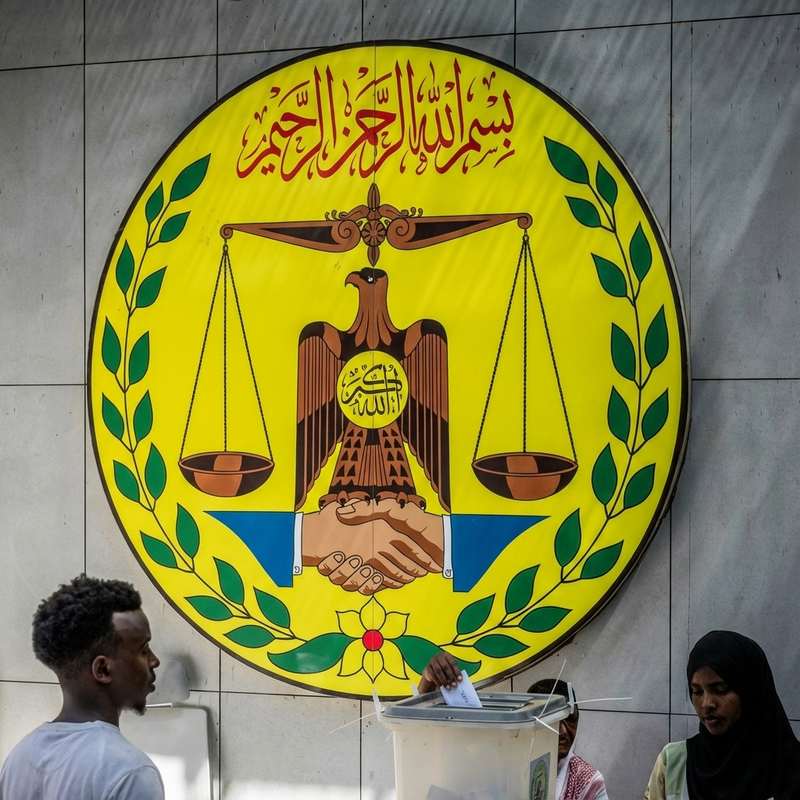
Somaliland Recognition: A Geopolitical Chess Move with Far-Reaching Implications
हिंदी में सुनें
Listen to this article in Hindi
Israel's recognition of Somaliland reshapes regional alliances, impacts counter-terrorism efforts, and signals a shift in the Horn of Africa's geopolitical landscape.
The Horn of Africa, a region already simmering with complex geopolitical rivalries, faces a potential reconfiguration with Israel's recent recognition of Somaliland as a sovereign state. This move transcends a simple bilateral agreement; it has the potential to ignite a cascade of strategic realignments, impacting regional security, international trade routes, and the existing balance of power. The decision forces a recalibration of diplomatic strategies among key players invested in the region's stability, or lack thereof.
Somaliland, a self-declared independent republic since 1991, occupies a strategically crucial location on the Gulf of Aden, bordering Djibouti and Ethiopia, and overlooking vital shipping lanes connecting the Red Sea and the Indian Ocean. Its stability, relative to Somalia, has made it an attractive partner for nations seeking to establish a foothold in this volatile area. While the move is framed within the context of the Abraham Accords, its implications reach far beyond normalized relations between Israel and Arab states. The pre-existing tensions between the UAE and other actors in the region are likely to be inflamed.
The primary catalyst for this shift is likely the confluence of several factors. First, Somaliland's strategic location presents an opportunity for Israel to enhance its maritime security interests, particularly in light of ongoing threats from Houthi rebels in Yemen. A presence in Somaliland provides a vantage point for monitoring and potentially countering these threats, which have disrupted international shipping and destabilized the region. This move is consistent with Israel's broader strategy of securing its sea lanes and projecting influence in the Red Sea.
Second, the recognition can be viewed as a calculated effort to counter growing Chinese influence in Djibouti, where China operates its first overseas military base. The US, and by extension its allies, have become increasingly wary of China's expanding economic and military footprint in Africa. By aligning with Somaliland, Israel potentially creates an alternative node of influence, offering a counterbalance to China's presence. This move mirrors, to some extent, the strategic thinking outlined in documents like Project 2025, which advocated for recognizing Somaliland as a hedge against deteriorating US influence in Djibouti. This highlights the increasing importance of the Horn of Africa in the broader context of great power competition. For more on the changing dynamics, explore world affairs background.
Third, the decision has profound implications for Somalia, which continues to view Somaliland as an integral part of its territory. The recognition by Israel could embolden other nations to follow suit, further undermining Somalia's territorial integrity and potentially exacerbating internal conflicts. This is likely to provoke strong condemnation from Somalia, as well as its allies, particularly Egypt and Turkey, who have already criticized the move. The long-term consequences could include increased instability within Somalia, potentially leading to a protracted civil war and further regional fragmentation.
That said, the reality is a bit more complicated. uncertainties and constraints remain. The US, for example, is reportedly divided over the recognition of Somaliland, fearing it could jeopardize its military cooperation with Somalia in the fight against al-Shabaab. Washington's support for Somalia's government is crucial in containing the Islamist insurgency, and any move that weakens Mogadishu could have detrimental consequences for regional security. Furthermore, the lack of widespread international recognition for Somaliland means that Israel's move, while significant, may not immediately translate into tangible benefits.
Finally, it is important to consider Somaliland's internal dynamics. While it has maintained relative stability and a functioning democratic system, recent reports indicate an erosion of political rights and civic space. This raises concerns about the long-term sustainability of its democratic institutions and the potential for internal conflict. Any instability within Somaliland could undermine its value as a strategic partner and create new security challenges for the region. Understanding the complex relationships is essential for grasping India's global position.
Israel's recognition of Somaliland is more than a diplomatic gesture; it is a strategic calculation with potentially far-reaching consequences. It reflects a shifting geopolitical landscape in the Horn of Africa, driven by competing interests, security concerns, and the desire to counter rival powers. While the move presents opportunities for Israel to enhance its maritime security and project influence, it also carries significant risks, including increased regional instability and potential backlash from Somalia and its allies. The success of this strategy will depend on careful diplomacy, a commitment to supporting Somaliland's stability, and a willingness to navigate the complex web of regional rivalries. The move also has implications for topic basics for readers needing background information. Ultimately, this event underscores the increasing importance of the Horn of Africa as a focal point for global power competition and the need for a nuanced understanding of the region's dynamics.
Editor’s note: This article was independently written by the Scoopliner Editorial Team using publicly available information.