Israel Sanctions Construction of 19 New West Bank Settlements
हिंदी में सुनें
Listen to this article in Hindi
The Israeli government has given the go-ahead for 19 new Jewish settlements in the West Bank, despite international law and rising tensions in the region. This decision has drawn criticism and concerns about the future of a Palestinian state.
Amidst ongoing efforts to secure a ceasefire in Gaza, Israel's government has approved plans to build 19 new Jewish settlements in the occupied West Bank. This action is the latest in a series of construction projects in the territory, a move that critics say further undermines the possibility of a future Palestinian state.
According to Finance Minister Bezalel Smotrich, a staunch proponent of settlement expansion, this brings the total number of new settlements greenlit in recent years to a record high of 69. Among the newly approved sites are two that were previously evacuated nearly two decades ago.
The security cabinet's approval translates to nearly a 50% increase in the number of settlements in the West Bank during the current government's term. Peace Now, an organization that monitors settlement activity, reports that the total number of settlements will rise from 141 in 2022 to 210 with this latest decision. It's worth noting that international law generally considers these settlements to be illegal.
This development occurs as the United States is actively working to advance the second phase of the Gaza ceasefire, which began on October 10th. The US-brokered plan envisions a potential pathway towards a Palestinian state, a goal that the expansion of settlements directly obstructs.
The finance ministry detailed that the cabinet's decision encompasses the retroactive legalisation of existing settlement outposts, or neighborhoods attached to existing settlements. Furthermore, the decision allows for the establishment of settlements on land from which Palestinians were previously displaced. These settlements vary significantly in size, ranging from single residences to large, multi-building complexes.
Kadim and Ganim, two of the settlements included in the recent approval, were originally dismantled in 2005 as part of Israel's withdrawal from the Gaza Strip. After the government repealed a 2005 law that had prohibited Israelis from re-entering these areas, numerous attempts have been made to resettle them.
Israel seized control of the West Bank, East Jerusalem, and Gaza – territories claimed by Palestinians for their future state – during the 1967 war. Currently, more than 500,000 Jewish settlers reside in the West Bank, in addition to over 200,000 in East Jerusalem, a region with contested status.
Within the Israeli government, figures like Smotrich and Security Minister Itamar Ben-Gvir, who strongly advocate for the settler movement, hold significant positions.
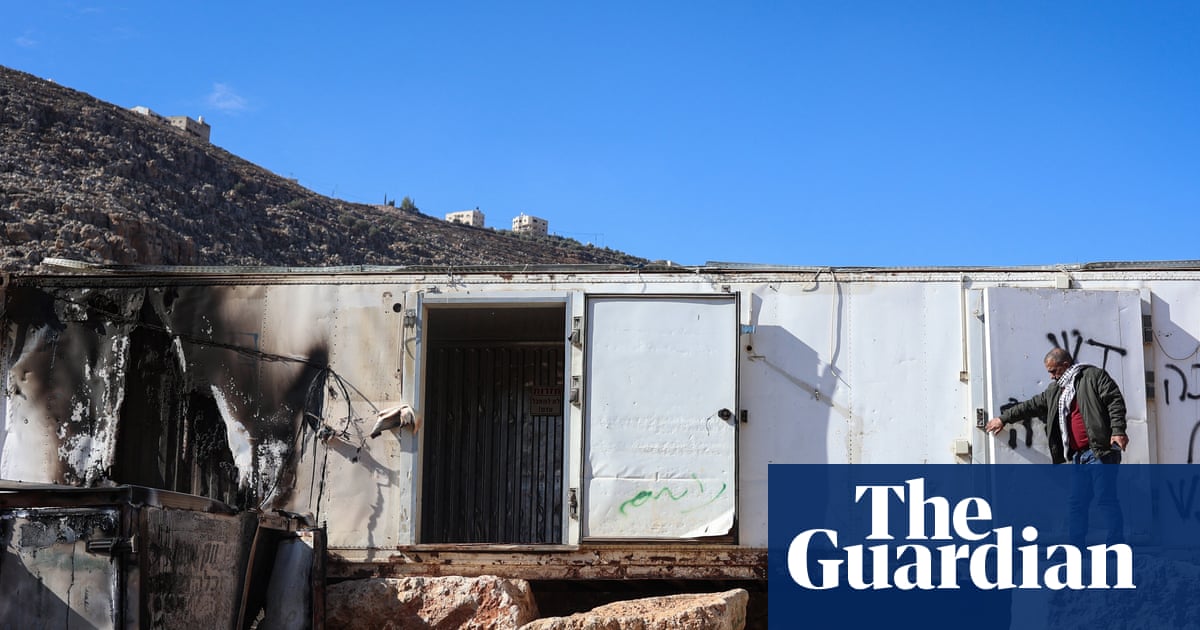
Adding to the complexity, there has been a rise in attacks perpetrated against Palestinians in the West Bank in recent months. During the olive harvest in October, settlers carried out an average of eight attacks per day, the highest rate recorded since the UN humanitarian office began tracking such data in 2006. These attacks continued into November, with the UN documenting at least 136 additional incidents by November 24th.
These actions have included the burning of vehicles, desecration of mosques, vandalizing industrial sites, and destruction of agricultural land. According to reports, Israeli authorities have largely limited their response to issuing occasional condemnations of the violence.
In Ramallah, the Palestinian health ministry reported that two Palestinians, one of whom was a 16-year-old, were killed in clashes with Israeli forces on Saturday night in the northern West Bank.
The Israeli military stated that a militant was fatally shot after he threw a block at troops in Qabatiya. They further added that another militant was killed after throwing explosives at troops operating in the village of Silat al-Harithiya.
The Palestinian health ministry identified the teenager killed in Qabatiya as Rayan Abu Muallah, age 16. Palestinian media outlets broadcasted brief security footage of the incident, which seemingly depicts the youth emerging from an alley and being shot by troops as he approached them without throwing anything. The Israeli military has stated that this incident is currently under review.
The health ministry also identified the second man killed as Ahmad Ziyoud, 22.
Since the October 7th attack led by Hamas, which triggered the war in Gaza, the Israeli military has intensified its operations in the West Bank.