Commercial Trade in 'Dual-Use' Items: A New Dynamic in Gaza
हिंदी में सुनें
Listen to this article in Hindi
Exploring the implications of Israel's policy shift on dual-use items entering Gaza through commercial channels.
The ongoing geopolitical landscape in the Middle East is marked by complex interactions between humanitarian needs and security concerns, particularly in the context of the Israeli-Palestinian conflict. One recent development that underscores this dynamic is Israel's decision to permit commercial traders to import 'dual-use' items into Gaza, a departure from its stringent controls on humanitarian shipments. This shift raises critical questions about the implications for both the humanitarian situation in Gaza and the broader geopolitical environment.
The term 'dual-use' refers to items that can serve both civilian and military purposes. In Gaza, basic supplies such as generators and tent poles have been categorized as dual-use because they could potentially be repurposed by Hamas or other militant groups. As such, humanitarian organizations have been barred from importing these essential items, even as commercial traders have gained access to them through a parallel system of controls.
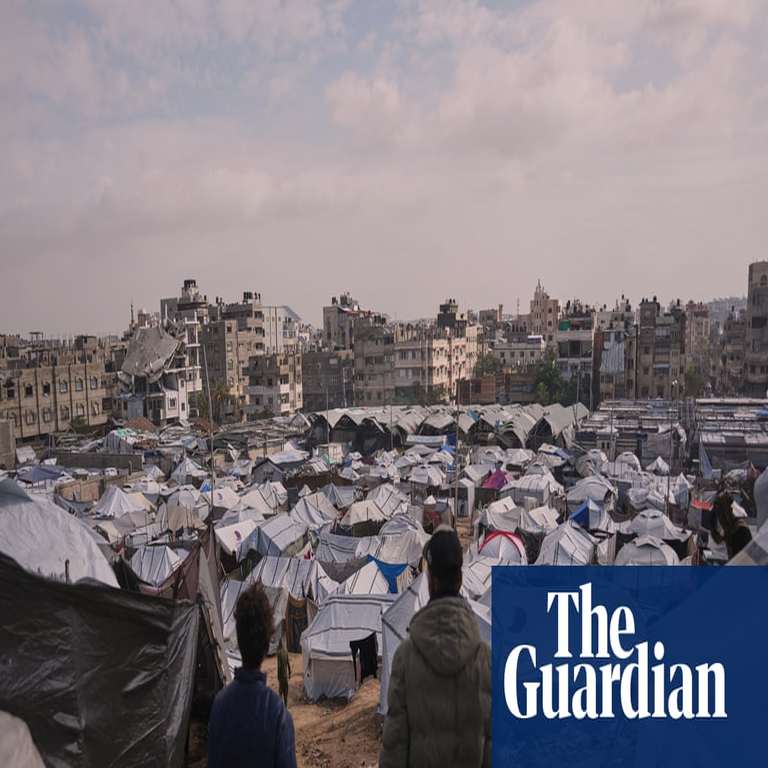
This divergence in policy highlights an urgent need for analysis, particularly given the dire humanitarian conditions faced by the Palestinian population. Humanitarian organizations, while operating under strict limitations, struggle to address basic needs in a territory already facing significant resource constraints. In contrast, commercial traders, able to navigate the complexities of securing import permits from Israeli authorities, are capitalizing on this gap, offering items like metal pallets that provide enhanced durability compared to their wooden counterparts.
The implications of this policy shift are manifold. First, it raises questions about equity in access to essential goods. While traders benefit from the ability to import dual-use items, humanitarian organizations are left at a disadvantage in their efforts to provide aid. This disparity could lead to a growing perception of inequity among the Palestinian population, potentially exacerbating social tensions.
Moreover, the decision to allow commercial imports of dual-use items reflects a broader strategic calculation by Israel. By enabling the private sector to fill gaps in resource availability, Israeli authorities may be attempting to alleviate some humanitarian pressures while simultaneously mitigating the risk of direct military exploitation of these goods. That said, the reality is a bit more complicated. this approach carries inherent risks, as it may inadvertently strengthen the economic capabilities of traders linked to or sympathetic to militant factions.
Furthermore, the presence of these dual-use items in Gaza's open market raises concerns about the effectiveness of the existing control mechanisms. Observations from diplomatic and humanitarian sources suggest that the Israeli authorities are aware of these shipments, casting doubt on the transparency and accountability of their own regulatory framework. This situation poses challenges for international observers and humanitarian advocates who have long called for more equitable access to aid.
Regional stability is another critical factor to consider. The Gaza Strip's ongoing humanitarian crisis has implications for the broader Middle East, affecting neighboring countries and influencing international relations. As humanitarian needs grow, regional actors may feel compelled to intervene, either through direct aid or by exerting political pressure on Israel to reconsider its policies.
The geopolitical context also includes the role of international actors, particularly the United States, which has vested interests in promoting stability in the region. Ongoing discussions at the Civil-Military Coordination Center (CMCC) reflect an awareness of the complexities surrounding dual-use items and their impact on aid efforts. While the American military presence in southern Israel indicates a commitment to regional security, the nuances of these discussions remain opaque, leaving many questions unanswered about the future trajectory of U.S.-Israel relations and their implications for Gaza.
In summary, the current situation surrounding the importation of dual-use items into Gaza reveals a complex interplay of humanitarian needs, security concerns, and economic opportunities. While commercial traders gain access to goods that humanitarian organizations cannot, the broader implications of this policy shift will require careful monitoring. The balance between addressing humanitarian needs and managing security risks remains delicate, with potential ramifications that extend far beyond the borders of Gaza.
Understanding these dynamics is crucial for stakeholders engaged in the region, as the intersection of commercial trade and humanitarian aid continues to evolve in a context marked by uncertainty and tension.
Editor's note: This article was independently written by the Scoopliner Editorial Team using publicly available information.