ISL Clubs Await AFC Clarity as Uncertainty Looms
हिंदी में सुनें
Listen to this article in Hindi
ISL clubs are in a state of uncertainty as they await an AFC decision on league format, impacting participation and financial viability.
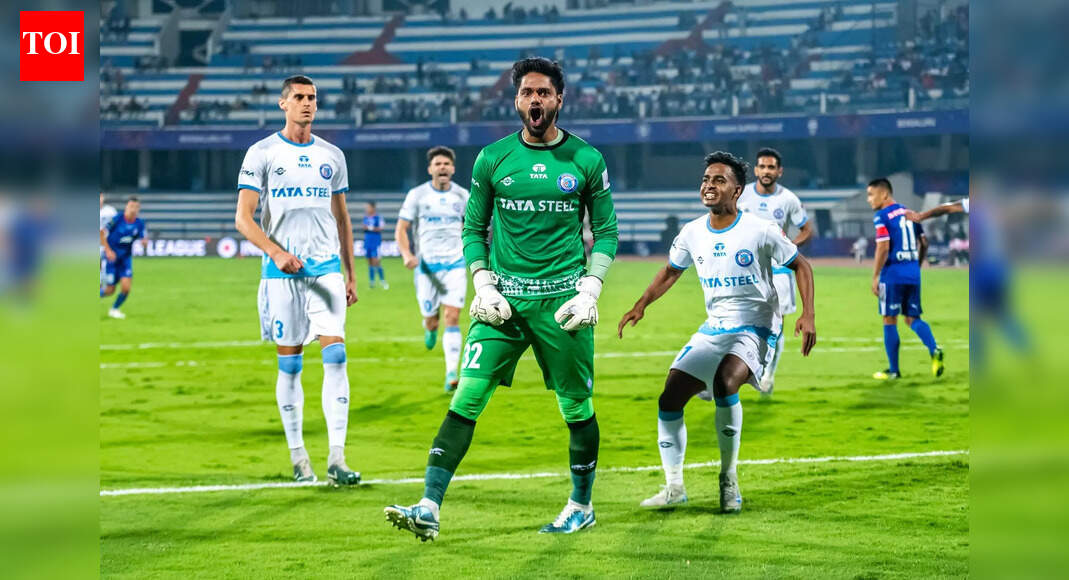
As the Indian Super League (ISL) prepares for its upcoming season, the situation remains precarious for many clubs, with Jamshedpur FC standing as the only confirmed participant. This decision comes amidst ongoing discussions regarding the league's structure and potential financial implications for the clubs involved. During a recent online meeting organized by the All India Football Federation (AIFF), club officials expressed a consensus on the need for clarity before finalizing their participation, specifically regarding the Asian Football Confederation's (AFC) regulations.
The AFC’s criteria for participation, particularly the requirement for a 24-match league format, is a significant concern for the clubs. Jamshedpur FC’s commitment to play regardless of the league format indicates a readiness to adapt to the evolving landscape of Indian football. In contrast, Odisha FC's hesitance underscores the financial pressures many clubs face in the absence of commercial partnerships. Their position reveals an essential aspect of modern football: the intertwining of financial viability with competitive integrity.
The AIFF's proposal to explore alternative formats, such as a centralized conference model or a single-leg structure, reflects an adaptive approach to the challenges posed by venue readiness and logistical constraints. The lack of regular home-and-away fixtures not only affects fan engagement but also influences club revenues, as home matches are typically crucial for financial sustainability.
The clubs' request for a one-time exemption from AFC’s requirements highlights a pivotal moment for the ISL. If granted, this exemption could allow the league to proceed with a format that is more manageable under the current circumstances. That said, the reality is a bit more complicated. it also raises questions about the quality of competition and the long-term implications for clubs aiming for Asian competition qualification.
The forthcoming decision from the AFC, expected within 48 hours, will be crucial. Clubs are not just anticipating a response; they are preparing for the ramifications of that response on their operational strategies. A lenient decision could facilitate a smoother transition into the season, while a strict adherence to existing regulations might lead to further withdrawals or financial strain on clubs like Odisha FC.
The dynamics at play in this scenario are indicative of broader trends within the football ecosystem, where governance, club sustainability, and competitive formats are increasingly interdependent. The ability of the AIFF and the AFC to navigate these complexities will ultimately shape the future landscape of Indian football and its clubs’ participation in regional competitions.
In summary, the current uncertainty surrounding the ISL is emblematic of the challenges faced in professional sports today. As clubs weigh their options, the importance of strategic decision-making becomes evident, with implications that could resonate well beyond the upcoming season.
Editor's note: This article was independently written by the Scoopliner Editorial Team using publicly available information.